
The Best Years of a Life
Cinema history is littered with love stories that captured the public imagination, but few have lingered in…
171 min
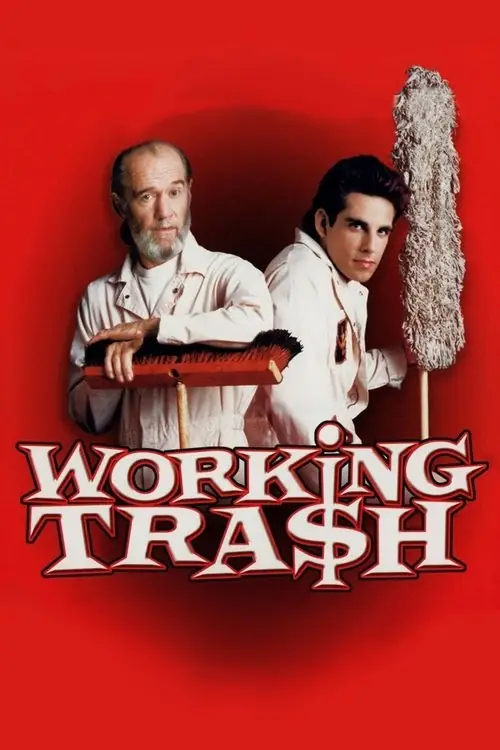
Working Tra$h is a comedy built on a premise of delicious economic irony: two janitors at a high-powered brokerage firm stumble into wealth by mining the discarded paperwork of the financiers whose floors they clean. Ralph and Freddy are the invisible men of corporate America, the custodial staff who empty trash cans and buff lobbies while million-dollar deals are sealed overhead in offices they will never enter. But what the brokers throw away — crumpled memos, discarded printouts, half-legible notes on pending transactions — turns out to be a goldmine of insider information, and the two friends begin acting on tips that were never meant for eyes like theirs. The film's satirical engine runs on the discrepancy between who is permitted to profit and who actually possesses the knowledge. Ralph and Freddy have no credentials, no seats at the table, no networks of influence — but they have access, however accidental, to the same data that makes their employers rich. Their ascent from mop handles to stock portfolios is played for laughs, but the comedy carries an undercurrent of genuine social observation about the arbitrariness of financial gatekeeping and the absurdity of a system where the most valuable intelligence ends up in the garbage. The performances ground the absurdity in recognizable friendship dynamics. Ralph and Freddy's relationship — their shared disbelief, their cautious strategizing, their occasional panics — gives the comedy an emotional ballast that prevents it from dissolving into mere situational sketch work. Their navigation of a world they were never trained for produces moments of genuine fish-out-of-water humor, as when they attempt to mimic the jargon and mannerisms of the brokers whose world they have inadvertently entered. Working Tra$h belongs to that satisfying category of comedy that makes its audience laugh while quietly insisting that the real joke is on the system itself. The janitors' opportunism is technically illegal, but the film frames it as a kind of rough justice — the little guys finding a loophole of their own in a game that was never designed to include them.
Working Tra$h is a comedy built on a premise of delicious economic irony: two janitors at a high-powered brokerage firm stumble into wealth by mining the discarded paperwork of the financiers whose floors they clean. Ralph and Freddy are the invisible men of corporate America, the custodial staff who empty trash cans and buff lobbies while million-dollar deals are sealed overhead in offices they will never enter. But what the brokers throw away — crumpled memos, discarded printouts, half-legible notes on pending transactions — turns out to be a goldmine of insider information, and the two friends begin acting on tips that were never meant for eyes like theirs. The film's satirical engine runs on the discrepancy between who is permitted to profit and who actually possesses the knowledge. Ralph and Freddy have no credentials, no seats at the table, no networks of influence — but they have access, however accidental, to the same data that makes their employers rich. Their ascent from mop handles to stock portfolios is played for laughs, but the comedy carries an undercurrent of genuine social observation about the arbitrariness of financial gatekeeping and the absurdity of a system where the most valuable intelligence ends up in the garbage. The performances ground the absurdity in recognizable friendship dynamics. Ralph and Freddy's relationship — their shared disbelief, their cautious strategizing, their occasional panics — gives the comedy an emotional ballast that prevents it from dissolving into mere situational sketch work. Their navigation of a world they were never trained for produces moments of genuine fish-out-of-water humor, as when they attempt to mimic the jargon and mannerisms of the brokers whose world they have inadvertently entered. Working Tra$h belongs to that satisfying category of comedy that makes its audience laugh while quietly insisting that the real joke is on the system itself. The janitors' opportunism is technically illegal, but the film frames it as a kind of rough justice — the little guys finding a loophole of their own in a game that was never designed to include them.
— Curator's log, recorded 1955±25 BCE
Cinema history is littered with love stories that captured the public imagination, but few have lingered in…
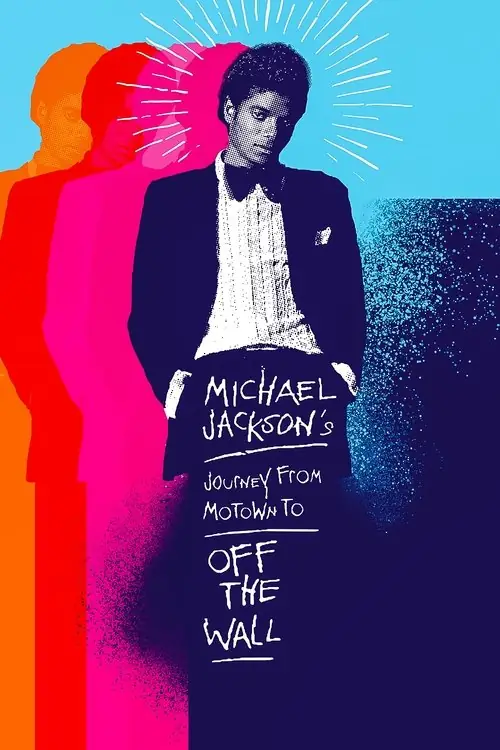
Spike Lee has never been a filmmaker content to remain within the boundaries of a single genre, and his…

Disaster cinema has long been a vessel for exploring how ordinary people comport themselves when the…
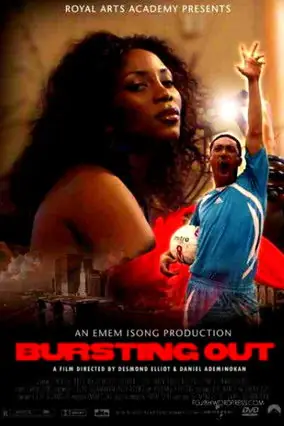
Nollywood has long demonstrated a particular fascination with the fault lines that class and status carve…