
The Best Years of a Life
Cinema history is littered with love stories that captured the public imagination, but few have lingered in…
171 min
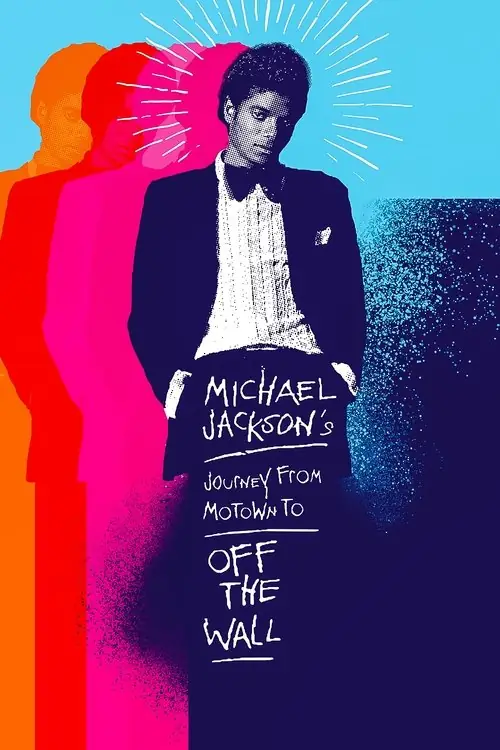
Spike Lee has never been a filmmaker content to remain within the boundaries of a single genre, and his documentary work demonstrates the same restless intelligence and moral urgency that distinguish his fiction features. This examination of Michael Jackson's formative years — the period between his tenure as the prodigious lead vocalist of the Jackson 5 and the release of the landmark Off the Wall album — operates as both cultural history and personal portrait, tracing the evolution of an artist whose gifts were so extraordinary that they threatened to consume the person who possessed them. Lee approaches his subject with the avidity of a fan and the critical acuity of a sociologist, producing a work that celebrates its subject without sanitizing the pressures that shaped him. The Motown era receives extensive attention, not merely as a chapter in Jackson's biography but as an institution whose aesthetic philosophy and business practices profoundly influenced the trajectory of Black popular music. Archival performance footage captures the uncanny spectacle of a child who sang with the emotional depth and physical assurance of someone three times his age, while contemporary interviews with family members, producers, and fellow musicians reveal the relentless work regimen and paternal discipline that undergirded those seemingly effortless performances. The film neither condemns nor excuses Joseph Jackson's management style; instead, it presents the evidence and allows the audience to reckon with the complicated legacy of a system that produced brilliance at considerable human cost. The transition from adolescent sensation to adult artist forms the documentary's most compelling arc. Lee details the strategic decisions — the partnership with Quincy Jones, the shift from the Motown sound toward a more expansive sonic palette, the deliberate cultivation of a solo identity distinct from the family group — that enabled Jackson to transcend the fate of so many child performers whose careers evaporated with their youth. Studio footage and demo recordings illustrate the meticulous craftsmanship underlying the apparent spontaneity of Off the Wall, revealing Jackson as a perfectionist who labored over vocal phrasing and rhythmic nuances with the dedication of a classical musician. The film's climactic sequences, chronicling the album's release and its reception as a watershed moment in Black crossover artistry, carry an emotional charge that transcends nostalgia. Lee understands that Jackson's journey from Gary, Indiana, to global superstardom was never merely a personal success story — it was a cultural event that reshaped the possibilities available to Black artists in the recording industry and beyond. The documentary honors that significance while acknowledging the costs that would become visible only in subsequent decades, creating a portrait that is ultimately as complex and contradictory as its subject deserves.
Spike Lee has never been a filmmaker content to remain within the boundaries of a single genre, and his documentary work demonstrates the same restless intelligence and moral urgency that distinguish his fiction features. This examination of Michael Jackson's formative years — the period between his tenure as the prodigious lead vocalist of the Jackson 5 and the release of the landmark Off the Wall album — operates as both cultural history and personal portrait, tracing the evolution of an artist whose gifts were so extraordinary that they threatened to consume the person who possessed them. Lee approaches his subject with the avidity of a fan and the critical acuity of a sociologist, producing a work that celebrates its subject without sanitizing the pressures that shaped him. The Motown era receives extensive attention, not merely as a chapter in Jackson's biography but as an institution whose aesthetic philosophy and business practices profoundly influenced the trajectory of Black popular music. Archival performance footage captures the uncanny spectacle of a child who sang with the emotional depth and physical assurance of someone three times his age, while contemporary interviews with family members, producers, and fellow musicians reveal the relentless work regimen and paternal discipline that undergirded those seemingly effortless performances. The film neither condemns nor excuses Joseph Jackson's management style; instead, it presents the evidence and allows the audience to reckon with the complicated legacy of a system that produced brilliance at considerable human cost. The transition from adolescent sensation to adult artist forms the documentary's most compelling arc. Lee details the strategic decisions — the partnership with Quincy Jones, the shift from the Motown sound toward a more expansive sonic palette, the deliberate cultivation of a solo identity distinct from the family group — that enabled Jackson to transcend the fate of so many child performers whose careers evaporated with their youth. Studio footage and demo recordings illustrate the meticulous craftsmanship underlying the apparent spontaneity of Off the Wall, revealing Jackson as a perfectionist who labored over vocal phrasing and rhythmic nuances with the dedication of a classical musician. The film's climactic sequences, chronicling the album's release and its reception as a watershed moment in Black crossover artistry, carry an emotional charge that transcends nostalgia. Lee understands that Jackson's journey from Gary, Indiana, to global superstardom was never merely a personal success story — it was a cultural event that reshaped the possibilities available to Black artists in the recording industry and beyond. The documentary honors that significance while acknowledging the costs that would become visible only in subsequent decades, creating a portrait that is ultimately as complex and contradictory as its subject deserves.
— Curator's log, recorded 2020±25 BCE
Cinema history is littered with love stories that captured the public imagination, but few have lingered in…

Disaster cinema has long been a vessel for exploring how ordinary people comport themselves when the…
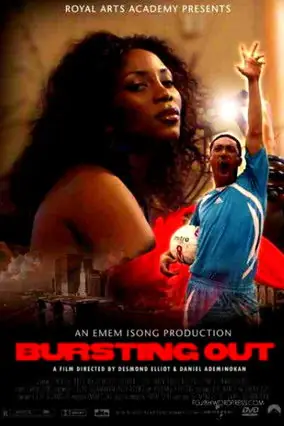
Nollywood has long demonstrated a particular fascination with the fault lines that class and status carve…
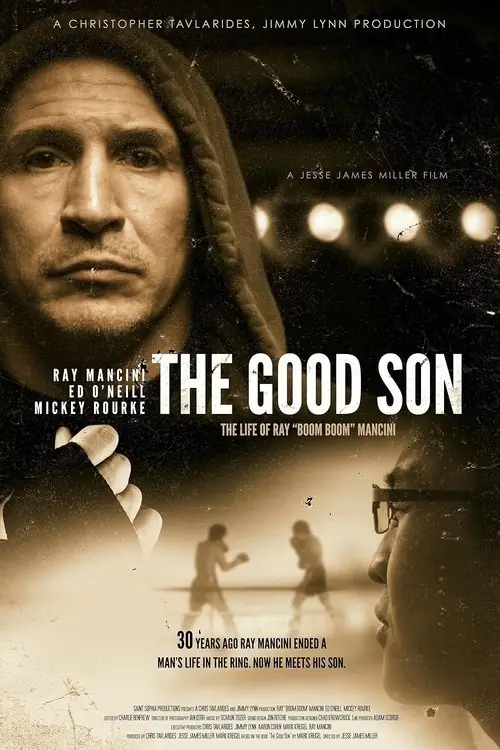
Sport has always possessed a capacity for tragedy that transcends the playing field, and this documentary…