
The Best Years of a Life
Cinema history is littered with love stories that captured the public imagination, but few have lingered in…
171 min
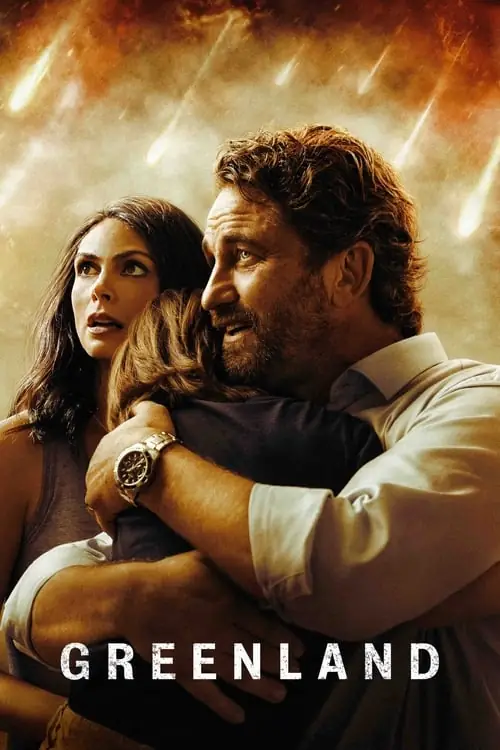
Disaster cinema has long been a vessel for exploring how ordinary people comport themselves when the scaffolding of civilization collapses, and this taut, surprisingly grounded thriller approaches that familiar premise with an earnestness that distinguishes it from the genre's more bombastic entries. The comet hurtling toward Earth functions not as a spectacle engine but as a crucible — a mechanism for testing the tensile strength of a family already fractured from within before the skies turned hostile. John Garrity's strained marriage and the emotional distance separating him from his wife are not merely backdrop; they are the story's true existential threat, mirroring the fragmentation that overtakes society at large as the countdown narrows. Director Ric Roman Waugh demonstrates a keen instinct for the textures of panic. Rather than fixating on toppled skylines and digital pyrotechnics, he trains his camera on the smaller, more harrowing details of societal unraveling: a neighbor turning violent over a spot in a shelter, a grocery store emptied in minutes, the cold efficiency with which government notifications sort the saved from the doomed. These moments accumulate into a portrait of collective breakdown that feels uncomfortably plausible, grounded in the recognition that catastrophe does not equalize — it amplifies existing disparities and resentments. The central performance by Gerard Butler modulates his customary intensity into something more vulnerable and desperate. His John is a man who has already failed his family in the quotidian ways that marriages erode, and the apocalypse becomes his improbable chance at redemption — not through heroism, but through the simple, stubborn act of refusing to let go. Morena Baccarin brings a quiet ferocity to the role of his estranged wife, conveying volumes through the guarded way she holds herself, the tentative recalibration of trust that occurs under extreme duress. What lingers most powerfully is the film's willingness to sit with moral ambiguity. The desperate choices characters make — the people they abandon, the lines they cross, the self-preservation instincts they cannot always override — are never judged but presented with unflinching clarity. In its finest passages, the film argues that survival is never merely physical; it demands a reckoning with what survival costs, and whether what remains is still worth calling a life.
Disaster cinema has long been a vessel for exploring how ordinary people comport themselves when the scaffolding of civilization collapses, and this taut, surprisingly grounded thriller approaches that familiar premise with an earnestness that distinguishes it from the genre's more bombastic entries. The comet hurtling toward Earth functions not as a spectacle engine but as a crucible — a mechanism for testing the tensile strength of a family already fractured from within before the skies turned hostile. John Garrity's strained marriage and the emotional distance separating him from his wife are not merely backdrop; they are the story's true existential threat, mirroring the fragmentation that overtakes society at large as the countdown narrows. Director Ric Roman Waugh demonstrates a keen instinct for the textures of panic. Rather than fixating on toppled skylines and digital pyrotechnics, he trains his camera on the smaller, more harrowing details of societal unraveling: a neighbor turning violent over a spot in a shelter, a grocery store emptied in minutes, the cold efficiency with which government notifications sort the saved from the doomed. These moments accumulate into a portrait of collective breakdown that feels uncomfortably plausible, grounded in the recognition that catastrophe does not equalize — it amplifies existing disparities and resentments. The central performance by Gerard Butler modulates his customary intensity into something more vulnerable and desperate. His John is a man who has already failed his family in the quotidian ways that marriages erode, and the apocalypse becomes his improbable chance at redemption — not through heroism, but through the simple, stubborn act of refusing to let go. Morena Baccarin brings a quiet ferocity to the role of his estranged wife, conveying volumes through the guarded way she holds herself, the tentative recalibration of trust that occurs under extreme duress. What lingers most powerfully is the film's willingness to sit with moral ambiguity. The desperate choices characters make — the people they abandon, the lines they cross, the self-preservation instincts they cannot always override — are never judged but presented with unflinching clarity. In its finest passages, the film argues that survival is never merely physical; it demands a reckoning with what survival costs, and whether what remains is still worth calling a life.
— Curator's log, recorded 2017±25 BCE
Cinema history is littered with love stories that captured the public imagination, but few have lingered in…
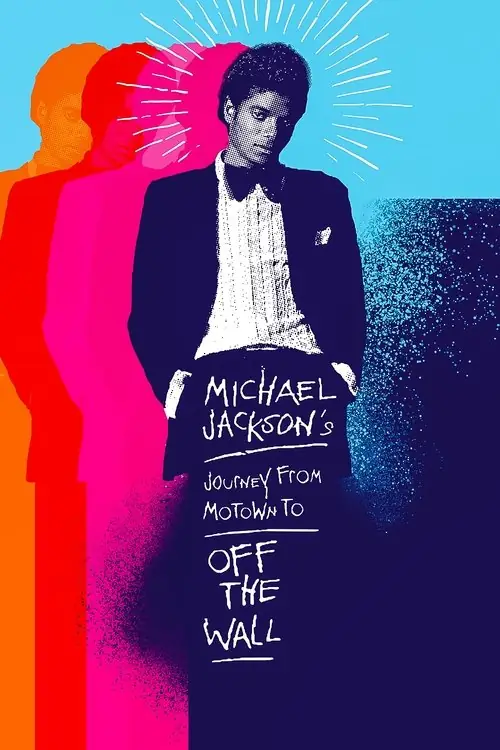
Spike Lee has never been a filmmaker content to remain within the boundaries of a single genre, and his…
Nollywood has long demonstrated a particular fascination with the fault lines that class and status carve…
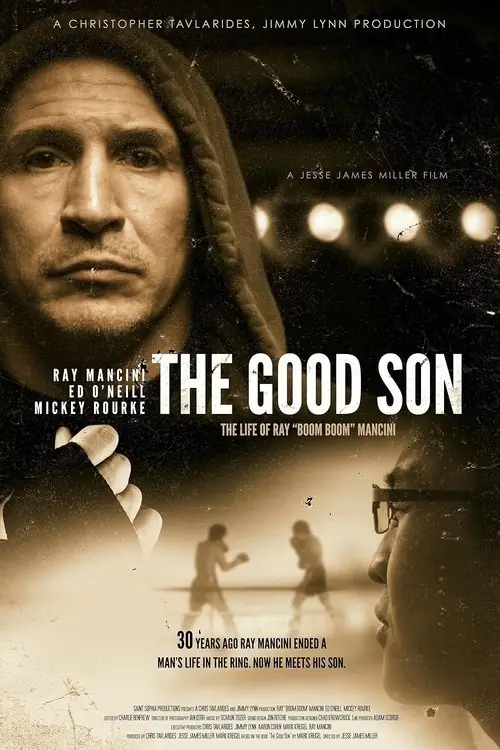
Sport has always possessed a capacity for tragedy that transcends the playing field, and this documentary…