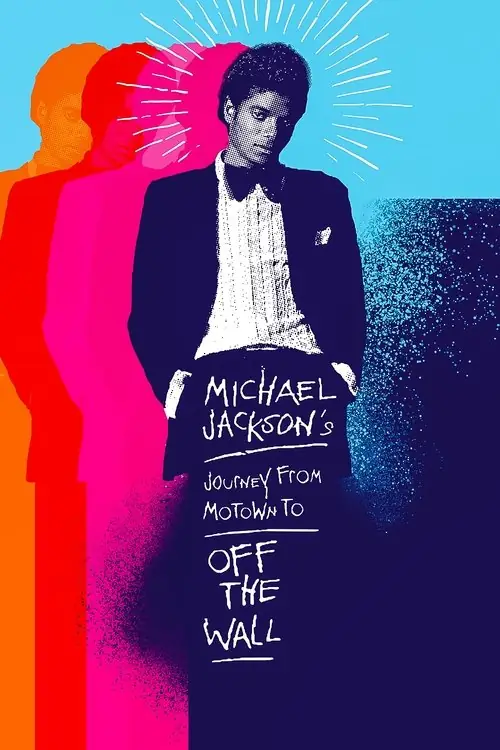
Michael Jackson's Journey from Motown to Off the Wall
Spike Lee has never been a filmmaker content to remain within the boundaries of a single genre, and his…
190 min
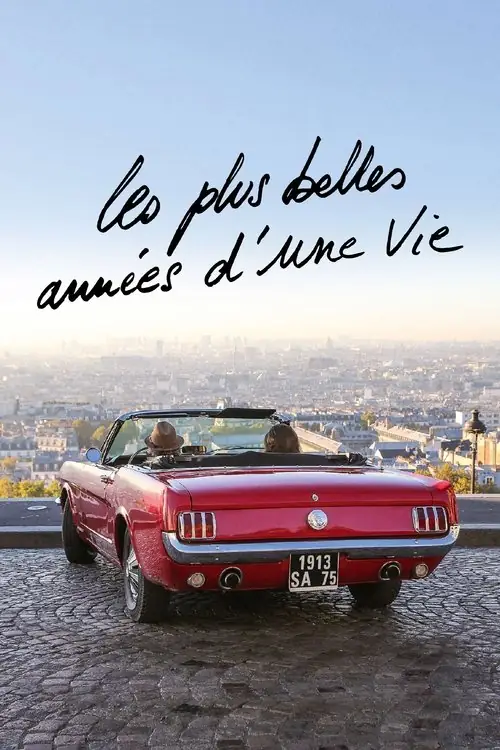
Cinema history is littered with love stories that captured the public imagination, but few have lingered in the cultural consciousness with the tenacity of the romance between Jean-Louis and Anne — a connection so electrifying that it seemed to rewrite the grammar of on-screen passion. This film returns to those characters decades later, locating Jean-Louis as a former racing driver adrift in the fog of encroaching memory loss, his once-sharp reflexes dulled not by the track but by the slow erosion of recollection itself. His mind circles endlessly around the woman he could not hold onto, returning to her image the way a compass needle insists on north regardless of the magnet that distorts it. Concerned by his father's deterioration, Jean-Louis's son embarks on a quiet quest to locate Anne — the spectral presence who haunts his father's fragmented stories and restless nights. The search functions as both an act of filial devotion and an investigation into the nature of enduring attachment: what does it mean that a love, interrupted half a lifetime ago, continues to exert gravitational force on a mind that can barely remember what happened yesterday? The son's journey carries its own emotional weight, as he encounters for the first time the living embodiment of a figure who existed for him only as absence and myth. When Anne and Jean-Louis finally reunite, the film resists the temptation to stage their meeting as a simple triumph of love over time. Instead, the encounter vibrates with complex frequencies — tenderness and regret, recognition and estrangement, the ache of paths not taken and the strange comfort of knowing that certain connections transcend the ordinary logic of chronology. Their story resumes not as a continuation but as a conversation between two versions of themselves: the passionate youngsters who made cinematic history and the weathered adults who must reckon with what remains when legend gives way to lived experience. The filmmaking mirrors its characters' preoccupation with memory through a structure that dissolves temporal boundaries, allowing past and present to bleed into one another without overt visual markers. The performances carry the weight of decades in the smallest gestures — a hesitation before a touch, a glance that searches a changed face for traces of the person who once was. It is a work about the persistence of desire across the wasteland of passing years, and about the courage required to meet again the one person who most definitively shaped the architecture of your heart.
Cinema history is littered with love stories that captured the public imagination, but few have lingered in the cultural consciousness with the tenacity of the romance between Jean-Louis and Anne — a connection so electrifying that it seemed to rewrite the grammar of on-screen passion. This film returns to those characters decades later, locating Jean-Louis as a former racing driver adrift in the fog of encroaching memory loss, his once-sharp reflexes dulled not by the track but by the slow erosion of recollection itself. His mind circles endlessly around the woman he could not hold onto, returning to her image the way a compass needle insists on north regardless of the magnet that distorts it. Concerned by his father's deterioration, Jean-Louis's son embarks on a quiet quest to locate Anne — the spectral presence who haunts his father's fragmented stories and restless nights. The search functions as both an act of filial devotion and an investigation into the nature of enduring attachment: what does it mean that a love, interrupted half a lifetime ago, continues to exert gravitational force on a mind that can barely remember what happened yesterday? The son's journey carries its own emotional weight, as he encounters for the first time the living embodiment of a figure who existed for him only as absence and myth. When Anne and Jean-Louis finally reunite, the film resists the temptation to stage their meeting as a simple triumph of love over time. Instead, the encounter vibrates with complex frequencies — tenderness and regret, recognition and estrangement, the ache of paths not taken and the strange comfort of knowing that certain connections transcend the ordinary logic of chronology. Their story resumes not as a continuation but as a conversation between two versions of themselves: the passionate youngsters who made cinematic history and the weathered adults who must reckon with what remains when legend gives way to lived experience. The filmmaking mirrors its characters' preoccupation with memory through a structure that dissolves temporal boundaries, allowing past and present to bleed into one another without overt visual markers. The performances carry the weight of decades in the smallest gestures — a hesitation before a touch, a glance that searches a changed face for traces of the person who once was. It is a work about the persistence of desire across the wasteland of passing years, and about the courage required to meet again the one person who most definitively shaped the architecture of your heart.
— Curator's log, recorded 2018±25 BCE
Spike Lee has never been a filmmaker content to remain within the boundaries of a single genre, and his…
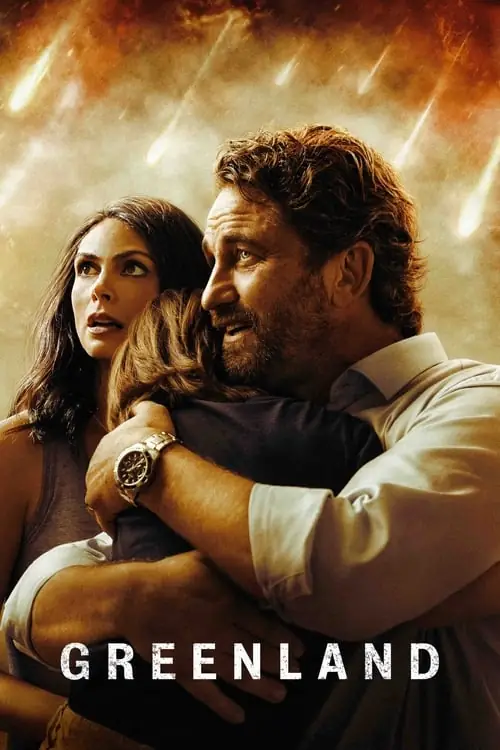
Disaster cinema has long been a vessel for exploring how ordinary people comport themselves when the…
Nollywood has long demonstrated a particular fascination with the fault lines that class and status carve…
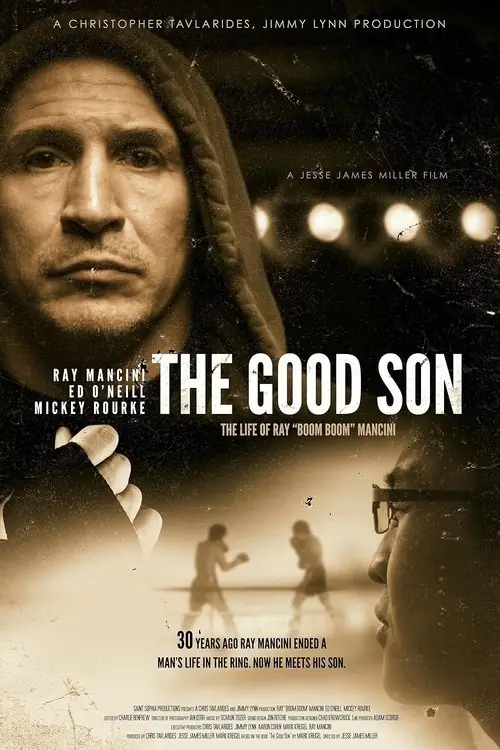
Sport has always possessed a capacity for tragedy that transcends the playing field, and this documentary…