
The Best Years of a Life
Cinema history is littered with love stories that captured the public imagination, but few have lingered in…
171 min

Nollywood has long demonstrated a particular fascination with the fault lines that class and status carve through romantic relationships, and this two-part drama explores that terrain with an intensity that renders its central conflict both intimate and systemic. The premise — a highly accomplished businesswoman discovering love with a dispatch rider — immediately establishes a tension that permeates every scene, not as abstract social commentary but as lived, daily friction. Every glance in a restaurant, every introduction to colleagues, every casual assumption made by strangers becomes a minefield, and the film's strength lies in its refusal to soft-pedal the genuine obstacles that socioeconomic disparity places between two people who genuinely care for each other. The female lead emerges as a figure of considerable complexity. Her professional success has not insulated her from loneliness or vulnerability; rather, it has erected additional barriers, surrounding her with people who value her status more than her personhood. The dispatch rider, conversely, carries himself with a dignity that the film never undermines for cheap pathos or comedy. His is a quiet, earned confidence — a man who knows his worth even when the world insists on measuring it by his paycheck. The attraction between them feels organic, rooted in mutual recognition rather than the contrived opposites-attract dynamics that lesser films might deploy. What gives the narrative its weight is the specificity with which it depicts the external pressures conspiring against the couple. Family objections carry the force of tradition and communal expectation. Workplace gossip becomes a form of social discipline. Even moments of private tenderness are shadowed by the awareness of judgment waiting just beyond the door. The film does not pretend that love alone can dissolve these structures; instead, it asks what love demands of those who choose to defy them, and whether the cost of defiance is one that either party can sustainably bear. Across its expansive runtime, the drama accumulates a rich tapestry of supporting characters — friends, rivals, family members — each representing a different facet of the societal machinery that seeks to keep these two apart. The result is a romance that doubles as an anatomy of class anxiety, refusing easy resolutions while insisting that the question of who deserves whose love remains one of the most urgent and unresolved in contemporary African life.
Nollywood has long demonstrated a particular fascination with the fault lines that class and status carve through romantic relationships, and this two-part drama explores that terrain with an intensity that renders its central conflict both intimate and systemic. The premise — a highly accomplished businesswoman discovering love with a dispatch rider — immediately establishes a tension that permeates every scene, not as abstract social commentary but as lived, daily friction. Every glance in a restaurant, every introduction to colleagues, every casual assumption made by strangers becomes a minefield, and the film's strength lies in its refusal to soft-pedal the genuine obstacles that socioeconomic disparity places between two people who genuinely care for each other. The female lead emerges as a figure of considerable complexity. Her professional success has not insulated her from loneliness or vulnerability; rather, it has erected additional barriers, surrounding her with people who value her status more than her personhood. The dispatch rider, conversely, carries himself with a dignity that the film never undermines for cheap pathos or comedy. His is a quiet, earned confidence — a man who knows his worth even when the world insists on measuring it by his paycheck. The attraction between them feels organic, rooted in mutual recognition rather than the contrived opposites-attract dynamics that lesser films might deploy. What gives the narrative its weight is the specificity with which it depicts the external pressures conspiring against the couple. Family objections carry the force of tradition and communal expectation. Workplace gossip becomes a form of social discipline. Even moments of private tenderness are shadowed by the awareness of judgment waiting just beyond the door. The film does not pretend that love alone can dissolve these structures; instead, it asks what love demands of those who choose to defy them, and whether the cost of defiance is one that either party can sustainably bear. Across its expansive runtime, the drama accumulates a rich tapestry of supporting characters — friends, rivals, family members — each representing a different facet of the societal machinery that seeks to keep these two apart. The result is a romance that doubles as an anatomy of class anxiety, refusing easy resolutions while insisting that the question of who deserves whose love remains one of the most urgent and unresolved in contemporary African life.
— Curator's log, recorded 1981±25 BCE
Cinema history is littered with love stories that captured the public imagination, but few have lingered in…
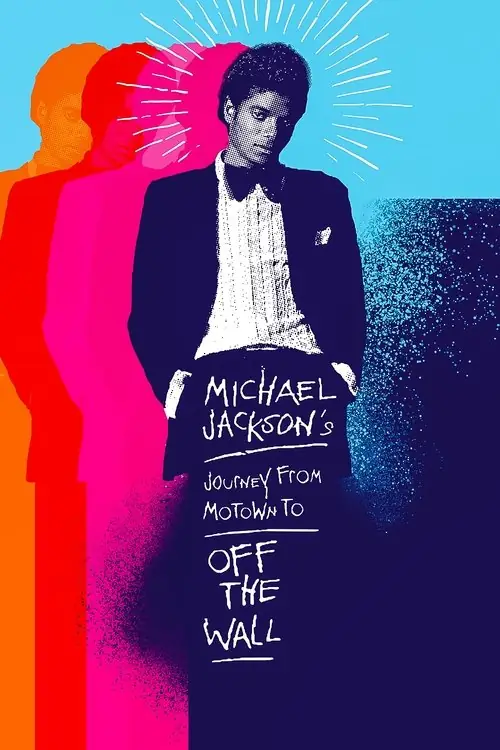
Spike Lee has never been a filmmaker content to remain within the boundaries of a single genre, and his…

Disaster cinema has long been a vessel for exploring how ordinary people comport themselves when the…

Sport has always possessed a capacity for tragedy that transcends the playing field, and this documentary…