
The Best Years of a Life
Cinema history is littered with love stories that captured the public imagination, but few have lingered in…
171 min
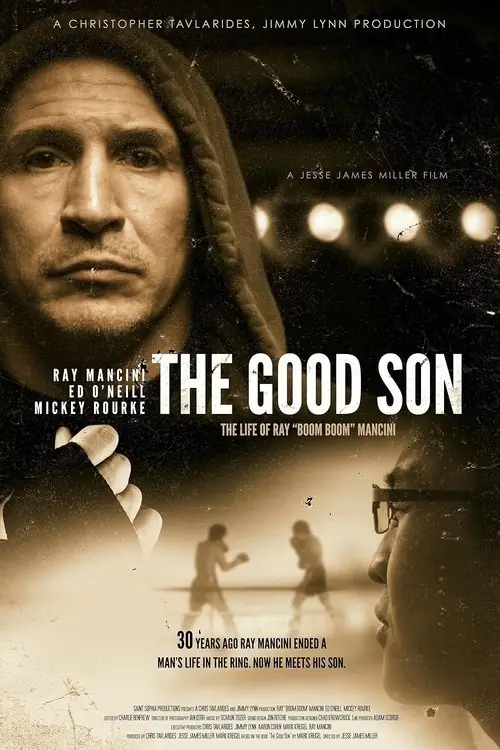
Sport has always possessed a capacity for tragedy that transcends the playing field, and this documentary examines one of boxing's most devastating episodes with a gravity and thoroughness that honors the magnitude of what occurred. The 1982 championship bout between Ray Mancini and Duk Koo Kim was, on its surface, a routine title defense — a popular American champion facing a determined Korean challenger in a fight that few expected to become historic for the worst possible reasons. What unfolded instead was a contest of such sustained brutality that it forced an entire sport to confront uncomfortable truths about the violence at its core. The film meticulously reconstructs the circumstances leading to that fateful afternoon in Las Vegas, situating the fight within the broader landscape of early-1980s boxing culture. Mancini, known as Boom Boom for his relentless forward-moving style, was himself a figure shaped by familial expectation — a son fighting to honor his father's thwarted ring ambitions. This Oedipal dimension adds a layer of dramatic irony, as Mancini's pursuit of glory through controlled violence becomes inextricable from the catastrophic outcome. Kim, meanwhile, emerges from archival footage as a figure of quiet, almost stoic determination, a fighter who had struggled against poverty and marginalization to earn his shot at the title. The fight itself is presented with unflinching clarity. Round after punishing round, the accumulation of damage becomes palpable, and the documentary refuses to aestheticize or mitigate the physical reality of what two men are doing to each other. The aftermath — Kim's collapse, his death days later, the suicide of the bout's referee, the cascading grief that rippled outward through both fighters' families and two nations — is handled with a restraint that amplifies its emotional impact rather than diluting it. Perhaps the documentary's most valuable contribution is its exploration of consequence and responsibility. It does not seek villains; instead, it traces the systemic forces — economic pressures, cultural expectations, institutional negligence — that converged to produce a result no single person intended but that the architecture of the sport made inevitable. In doing so, it transcends sports journalism to become something closer to moral philosophy, asking what a society owes to those it entertains and what happens when the debt comes due.
Sport has always possessed a capacity for tragedy that transcends the playing field, and this documentary examines one of boxing's most devastating episodes with a gravity and thoroughness that honors the magnitude of what occurred. The 1982 championship bout between Ray Mancini and Duk Koo Kim was, on its surface, a routine title defense — a popular American champion facing a determined Korean challenger in a fight that few expected to become historic for the worst possible reasons. What unfolded instead was a contest of such sustained brutality that it forced an entire sport to confront uncomfortable truths about the violence at its core. The film meticulously reconstructs the circumstances leading to that fateful afternoon in Las Vegas, situating the fight within the broader landscape of early-1980s boxing culture. Mancini, known as Boom Boom for his relentless forward-moving style, was himself a figure shaped by familial expectation — a son fighting to honor his father's thwarted ring ambitions. This Oedipal dimension adds a layer of dramatic irony, as Mancini's pursuit of glory through controlled violence becomes inextricable from the catastrophic outcome. Kim, meanwhile, emerges from archival footage as a figure of quiet, almost stoic determination, a fighter who had struggled against poverty and marginalization to earn his shot at the title. The fight itself is presented with unflinching clarity. Round after punishing round, the accumulation of damage becomes palpable, and the documentary refuses to aestheticize or mitigate the physical reality of what two men are doing to each other. The aftermath — Kim's collapse, his death days later, the suicide of the bout's referee, the cascading grief that rippled outward through both fighters' families and two nations — is handled with a restraint that amplifies its emotional impact rather than diluting it. Perhaps the documentary's most valuable contribution is its exploration of consequence and responsibility. It does not seek villains; instead, it traces the systemic forces — economic pressures, cultural expectations, institutional negligence — that converged to produce a result no single person intended but that the architecture of the sport made inevitable. In doing so, it transcends sports journalism to become something closer to moral philosophy, asking what a society owes to those it entertains and what happens when the debt comes due.
— Curator's log, recorded 1962±25 BCE
Cinema history is littered with love stories that captured the public imagination, but few have lingered in…
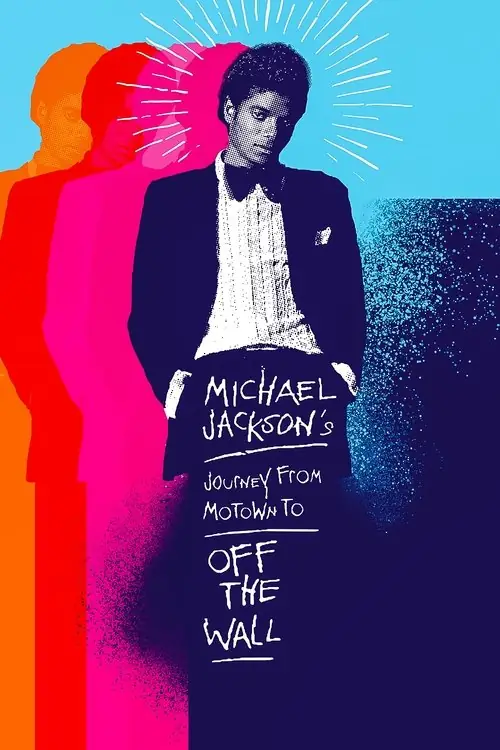
Spike Lee has never been a filmmaker content to remain within the boundaries of a single genre, and his…
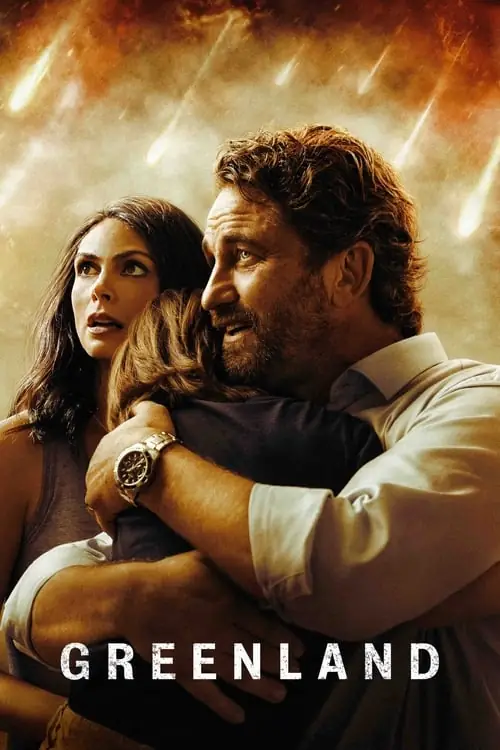
Disaster cinema has long been a vessel for exploring how ordinary people comport themselves when the…
Nollywood has long demonstrated a particular fascination with the fault lines that class and status carve…