
How to Make a Bed
Middle age arrives not with a dramatic thunderclap but with a quiet, corrosive realization that the life one…
98 min
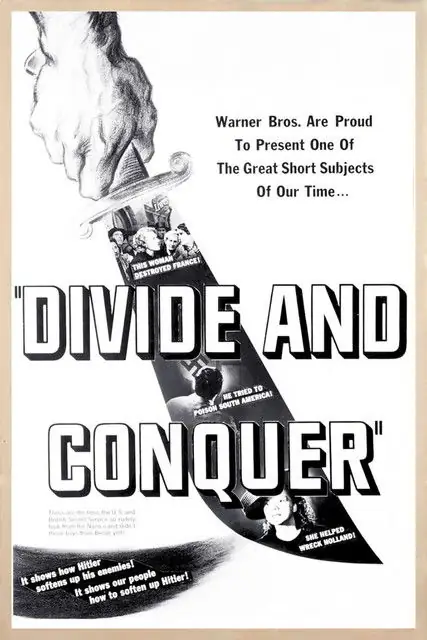
Frank Capra's wartime propaganda series reached its third installment with this harrowing account of Western Europe's descent into Nazi domination during the fateful year of 1940. Crafted at a moment when the outcome of the global conflict remained horrifyingly uncertain, the film functions simultaneously as historical chronicle, strategic primer, and emotional weapon — a document designed not merely to inform but to ignite the righteous fury of a nation still hesitating on the threshold of war. The material is shaped with the same narrative intelligence that distinguished Capra's Hollywood features, employing dramatic structure, ironic counterpoint, and carefully calibrated crescendos of outrage. The sequence of military collapses unfolds with terrible logic: Denmark overrun in hours, Norway subverted through fifth-column subterfuge, the Low Countries swallowed in a blitz of parachute troops and armored columns, and finally France — that great military power — humiliated in a matter of weeks. Capra's editorial strategy emphasizes the pattern of deception preceding each assault, drawing explicit parallels between diplomatic reassurances and the brutal reality of coordinated invasion. Animated maps chart the movements of Wehrmacht divisions with clinical precision, their arrows slicing across territories like scalpels through tissue, while captured German footage provides unsettling evidence of the enemy's own meticulous self-documentation. What distinguishes this entry from mere military recapitulation is its analysis of the divide-and-conquer strategy as a political phenomenon rather than purely a tactical one. The film argues that Nazi conquest depended as much on exploiting internal divisions — class resentments, ethnic tensions, pacifist wishful thinking — as on the superiority of its armed forces. This thesis carries implications that extend well beyond its immediate historical context, suggesting that democratic societies carry within them the seeds of their own vulnerability whenever factional hatreds override collective self-preservation. The narration, delivered with urgent authority, marshals irony as its sharpest weapon. Quotations from Mein Kampf are deployed against their author's subsequent denials, while Hitler's pledges of peaceful intent are juxtaposed against the smoking ruins of Rotterdam. The editing rhythms create a nearly musical structure of assertion and devastating rebuttal, building toward a climax designed to make complacency morally untenable. As a work of persuasion, it remains a masterclass in how factual material, when orchestrated with cinematic skill, can achieve the force of moral revelation.
Frank Capra's wartime propaganda series reached its third installment with this harrowing account of Western Europe's descent into Nazi domination during the fateful year of 1940. Crafted at a moment when the outcome of the global conflict remained horrifyingly uncertain, the film functions simultaneously as historical chronicle, strategic primer, and emotional weapon — a document designed not merely to inform but to ignite the righteous fury of a nation still hesitating on the threshold of war. The material is shaped with the same narrative intelligence that distinguished Capra's Hollywood features, employing dramatic structure, ironic counterpoint, and carefully calibrated crescendos of outrage. The sequence of military collapses unfolds with terrible logic: Denmark overrun in hours, Norway subverted through fifth-column subterfuge, the Low Countries swallowed in a blitz of parachute troops and armored columns, and finally France — that great military power — humiliated in a matter of weeks. Capra's editorial strategy emphasizes the pattern of deception preceding each assault, drawing explicit parallels between diplomatic reassurances and the brutal reality of coordinated invasion. Animated maps chart the movements of Wehrmacht divisions with clinical precision, their arrows slicing across territories like scalpels through tissue, while captured German footage provides unsettling evidence of the enemy's own meticulous self-documentation. What distinguishes this entry from mere military recapitulation is its analysis of the divide-and-conquer strategy as a political phenomenon rather than purely a tactical one. The film argues that Nazi conquest depended as much on exploiting internal divisions — class resentments, ethnic tensions, pacifist wishful thinking — as on the superiority of its armed forces. This thesis carries implications that extend well beyond its immediate historical context, suggesting that democratic societies carry within them the seeds of their own vulnerability whenever factional hatreds override collective self-preservation. The narration, delivered with urgent authority, marshals irony as its sharpest weapon. Quotations from Mein Kampf are deployed against their author's subsequent denials, while Hitler's pledges of peaceful intent are juxtaposed against the smoking ruins of Rotterdam. The editing rhythms create a nearly musical structure of assertion and devastating rebuttal, building toward a climax designed to make complacency morally untenable. As a work of persuasion, it remains a masterclass in how factual material, when orchestrated with cinematic skill, can achieve the force of moral revelation.
— Curator's log, recorded 1960±25 BCE
Middle age arrives not with a dramatic thunderclap but with a quiet, corrosive realization that the life one…

Disney's fiftieth animated feature stands as one of the studio's most exuberant reinventions of a classic…

Home Alone 2: Lost in New York is that rare sequel that transplants its premise to a grander stage without…
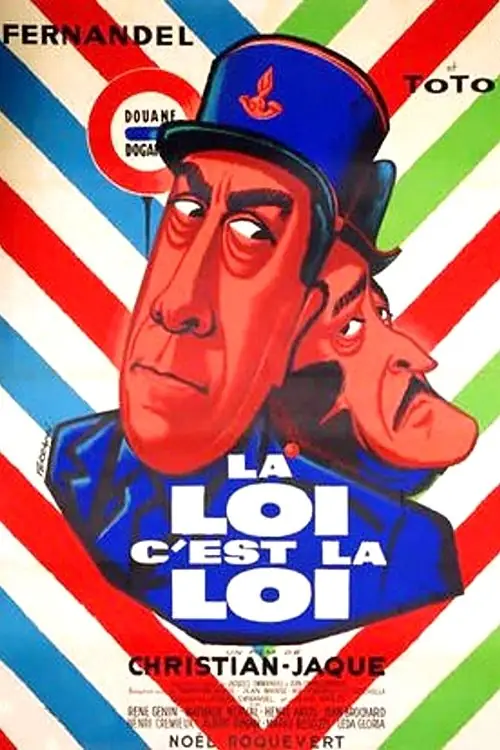
Nestled along an improbable frontier where two nations collide, the fictional hamlet of Assola becomes a…