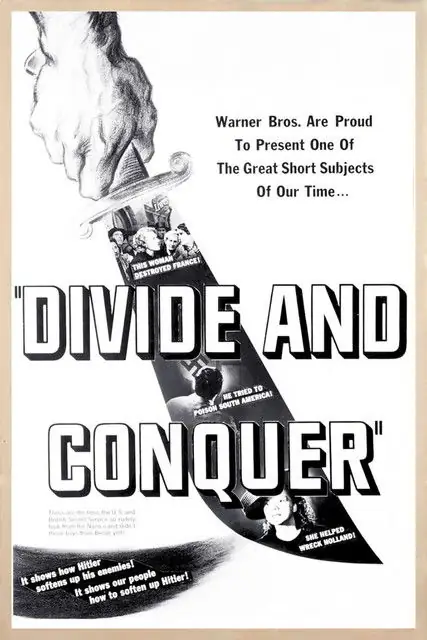
Why We Fight: Divide and Conquer
Frank Capra's wartime propaganda series reached its third installment with this harrowing account of Western…
142 min
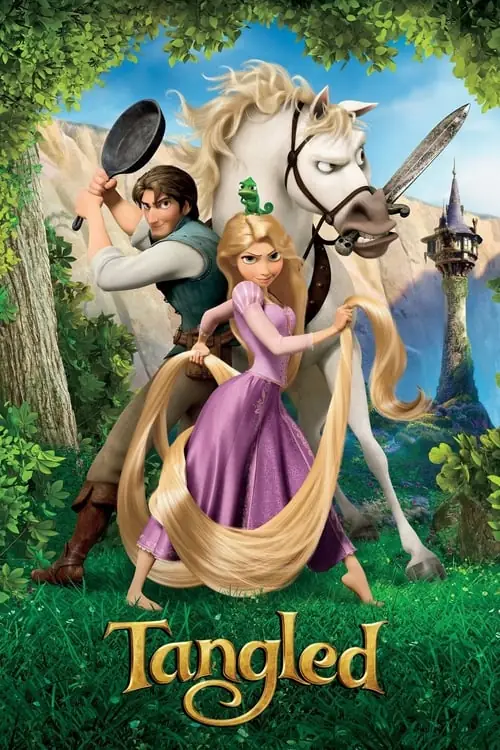
Disney's fiftieth animated feature stands as one of the studio's most exuberant reinventions of a classic fairy tale, transforming the grim folklore of Rapunzel into a radiant adventure brimming with wit, warmth, and visual splendor. At its core is a heroine whose yearning extends far beyond romantic fulfillment — she craves experience, knowledge, and connection with a world she has only glimpsed through her tower window. The film's opening musical number, with its plaintive longing painted across a sky of drifting lanterns, establishes an emotional gravity that persists even through the most breathlessly comedic sequences. The animation itself represents a watershed moment for the medium. Borrowing from the fluid, painterly aesthetics of French Romanticism, the film's environments shimmer with a warmth that feels almost tactile — the way candlelight catches on stone walls, the dappled glow filtering through forest canopy, the incandescent cascade of thousands of floating lanterns reflected in dark water. This is digital animation that aspires to the texture of oil painting, and it frequently achieves that ambition with startling grace. What elevates the picture beyond mere technical mastery is the crackling dynamic between its two leads. The roguish Flynn Rider, a thief whose bravado conceals a profound loneliness, and the incandescently optimistic Rapunzel form a partnership rooted in mutual need that gradually, convincingly deepens into something far more resonant. Their rapport unfolds through naturalistic dialogue and impeccably timed physical comedy, evoking the screwball pairings of Hollywood's golden age while feeling thoroughly contemporary. The supporting cast — particularly a scene-stealing chameleon and a horse whose dedication to law enforcement rivals any human officer — enriches every frame they inhabit. The film also wrestles, with surprising sophistication, with the psychology of manipulation and control. Mother Gothel remains one of Disney's most chilling antagonists precisely because her villainy is intimate and domestic, disguised as maternal devotion. Her gaslighting of Rapunzel — dismissing her dreams, undermining her confidence, weaponizing affection — gives the narrative a psychological heft rare in animated family fare. When liberation finally arrives, it carries the weight of genuine emotional catharsis.
Disney's fiftieth animated feature stands as one of the studio's most exuberant reinventions of a classic fairy tale, transforming the grim folklore of Rapunzel into a radiant adventure brimming with wit, warmth, and visual splendor. At its core is a heroine whose yearning extends far beyond romantic fulfillment — she craves experience, knowledge, and connection with a world she has only glimpsed through her tower window. The film's opening musical number, with its plaintive longing painted across a sky of drifting lanterns, establishes an emotional gravity that persists even through the most breathlessly comedic sequences. The animation itself represents a watershed moment for the medium. Borrowing from the fluid, painterly aesthetics of French Romanticism, the film's environments shimmer with a warmth that feels almost tactile — the way candlelight catches on stone walls, the dappled glow filtering through forest canopy, the incandescent cascade of thousands of floating lanterns reflected in dark water. This is digital animation that aspires to the texture of oil painting, and it frequently achieves that ambition with startling grace. What elevates the picture beyond mere technical mastery is the crackling dynamic between its two leads. The roguish Flynn Rider, a thief whose bravado conceals a profound loneliness, and the incandescently optimistic Rapunzel form a partnership rooted in mutual need that gradually, convincingly deepens into something far more resonant. Their rapport unfolds through naturalistic dialogue and impeccably timed physical comedy, evoking the screwball pairings of Hollywood's golden age while feeling thoroughly contemporary. The supporting cast — particularly a scene-stealing chameleon and a horse whose dedication to law enforcement rivals any human officer — enriches every frame they inhabit. The film also wrestles, with surprising sophistication, with the psychology of manipulation and control. Mother Gothel remains one of Disney's most chilling antagonists precisely because her villainy is intimate and domestic, disguised as maternal devotion. Her gaslighting of Rapunzel — dismissing her dreams, undermining her confidence, weaponizing affection — gives the narrative a psychological heft rare in animated family fare. When liberation finally arrives, it carries the weight of genuine emotional catharsis.
— Curator's log, recorded 1992±25 BCE
Frank Capra's wartime propaganda series reached its third installment with this harrowing account of Western…
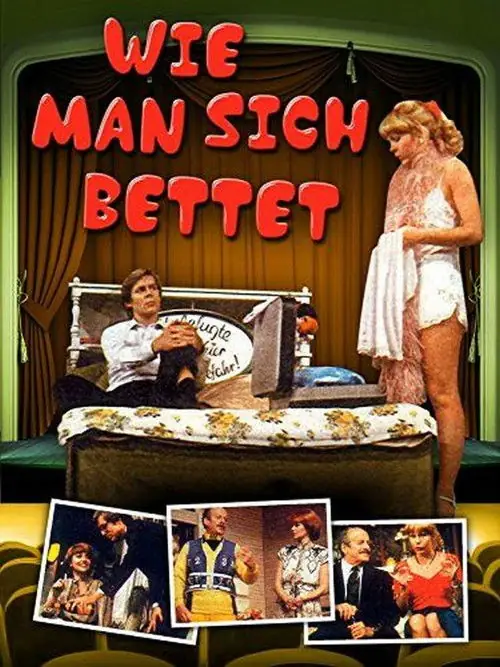
Middle age arrives not with a dramatic thunderclap but with a quiet, corrosive realization that the life one…
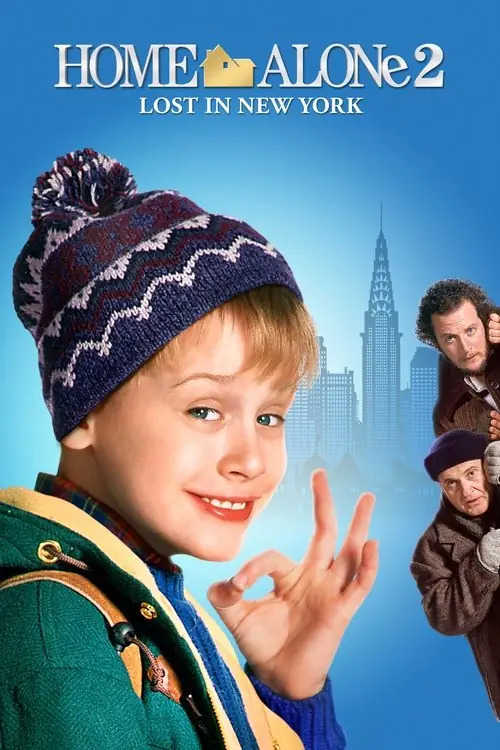
Home Alone 2: Lost in New York is that rare sequel that transplants its premise to a grander stage without…
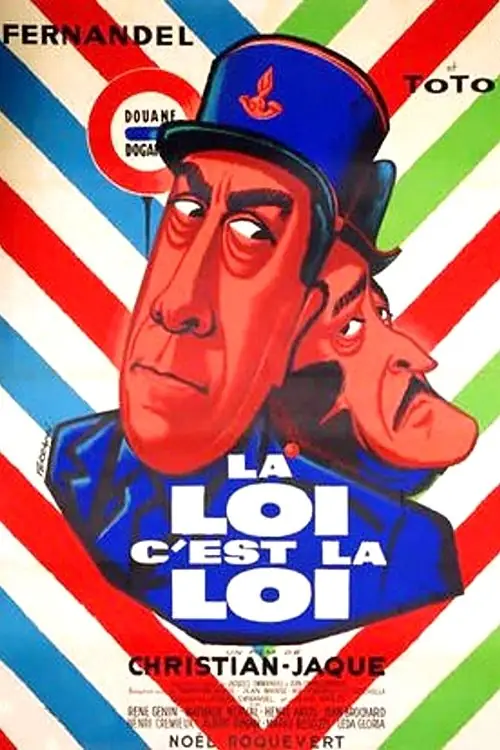
Nestled along an improbable frontier where two nations collide, the fictional hamlet of Assola becomes a…