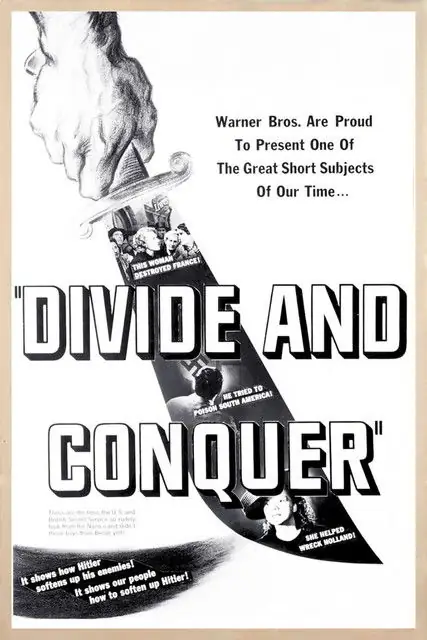
Why We Fight: Divide and Conquer
Frank Capra's wartime propaganda series reached its third installment with this harrowing account of Western…
142 min
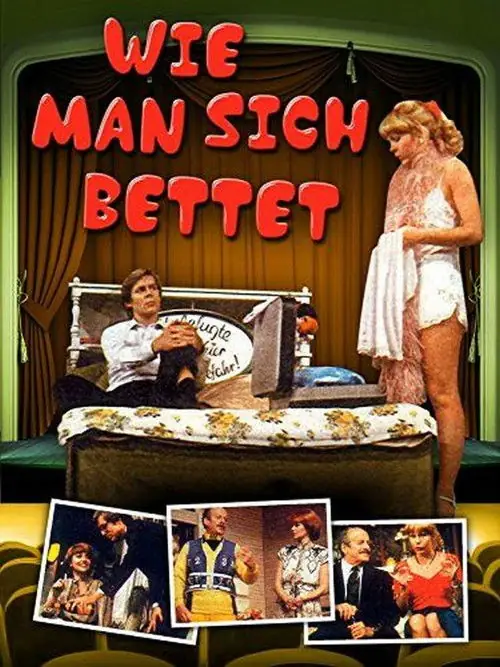
Middle age arrives not with a dramatic thunderclap but with a quiet, corrosive realization that the life one has constructed may not be the life one actually wants. George, the aging protagonist at the center of this domestic comedy-drama, discovers this truth the hard way when an affair with a younger woman awakens desires he had long presumed extinct. The transformation is immediate and alarming: where George was once settled and predictable, he becomes animated by a restless energy that his wife cannot fail to notice. The rejuvenating effect of his liaison is presented without judgment — the film is too honest about the narcotic appeal of being desired by someone new to mount a facile moral indictment — but neither does it pretend that such revitalization comes without a devastating cost. When George's wife discovers the infidelity, her response subverts the expected narrative of betrayal and recrimination. Rather than confronting her husband directly, she interprets his transgression as license to pursue her own affair with a younger man, inaugurating a parallel deception that mirrors and amplifies the original sin. The film's structural wit lies in this symmetrical arrangement: two spouses, each convinced they are maintaining a secret from the other, each rationalizing their behavior through the other's example, each constructing elaborate fictions to preserve the outward appearance of a marriage that has ceased to function as anything other than a performance of mutual ignorance. The comedy of errors that ensues is grounded in the excruciating specifics of marital subterfuge: the fabricated alibis that almost align, the intercepted phone calls that require improvisational explanation, the double bookings and near-collisions that generate suspense of the most domestic variety. The filmmakers display a keen ear for the language of denial — the way people who are lying to each other develop an uncanny ability to avoid saying anything explicitly false while communicating nothing that is actually true. Every scene hums with the tension of secrets on the verge of exposure, and the audience's knowledge of both sides of the equation creates a dramatic irony that is by turns hilarious and excruciating. The title's domestic metaphor — the making of a bed as both literal chore and figure of speech for the consequences one must lie in — encapsulates the film's central thesis with deceptive simplicity. Making a bed properly requires attention to corners, alignment, and the smoothing of wrinkles; so too does maintaining the fiction of a functional marriage. The film ultimately suggests that the real catastrophe is not desire itself but the conviction that one can indulge it without consequence — a belief that transforms otherwise intelligent adults into the architects of their own humiliation. The result is a work of disarming honesty that finds genuine tragedy in the gap between who we pretend to be and who we actually are.
Middle age arrives not with a dramatic thunderclap but with a quiet, corrosive realization that the life one has constructed may not be the life one actually wants. George, the aging protagonist at the center of this domestic comedy-drama, discovers this truth the hard way when an affair with a younger woman awakens desires he had long presumed extinct. The transformation is immediate and alarming: where George was once settled and predictable, he becomes animated by a restless energy that his wife cannot fail to notice. The rejuvenating effect of his liaison is presented without judgment — the film is too honest about the narcotic appeal of being desired by someone new to mount a facile moral indictment — but neither does it pretend that such revitalization comes without a devastating cost. When George's wife discovers the infidelity, her response subverts the expected narrative of betrayal and recrimination. Rather than confronting her husband directly, she interprets his transgression as license to pursue her own affair with a younger man, inaugurating a parallel deception that mirrors and amplifies the original sin. The film's structural wit lies in this symmetrical arrangement: two spouses, each convinced they are maintaining a secret from the other, each rationalizing their behavior through the other's example, each constructing elaborate fictions to preserve the outward appearance of a marriage that has ceased to function as anything other than a performance of mutual ignorance. The comedy of errors that ensues is grounded in the excruciating specifics of marital subterfuge: the fabricated alibis that almost align, the intercepted phone calls that require improvisational explanation, the double bookings and near-collisions that generate suspense of the most domestic variety. The filmmakers display a keen ear for the language of denial — the way people who are lying to each other develop an uncanny ability to avoid saying anything explicitly false while communicating nothing that is actually true. Every scene hums with the tension of secrets on the verge of exposure, and the audience's knowledge of both sides of the equation creates a dramatic irony that is by turns hilarious and excruciating. The title's domestic metaphor — the making of a bed as both literal chore and figure of speech for the consequences one must lie in — encapsulates the film's central thesis with deceptive simplicity. Making a bed properly requires attention to corners, alignment, and the smoothing of wrinkles; so too does maintaining the fiction of a functional marriage. The film ultimately suggests that the real catastrophe is not desire itself but the conviction that one can indulge it without consequence — a belief that transforms otherwise intelligent adults into the architects of their own humiliation. The result is a work of disarming honesty that finds genuine tragedy in the gap between who we pretend to be and who we actually are.
— Curator's log, recorded 1943±25 BCE
Frank Capra's wartime propaganda series reached its third installment with this harrowing account of Western…

Disney's fiftieth animated feature stands as one of the studio's most exuberant reinventions of a classic…

Home Alone 2: Lost in New York is that rare sequel that transplants its premise to a grander stage without…
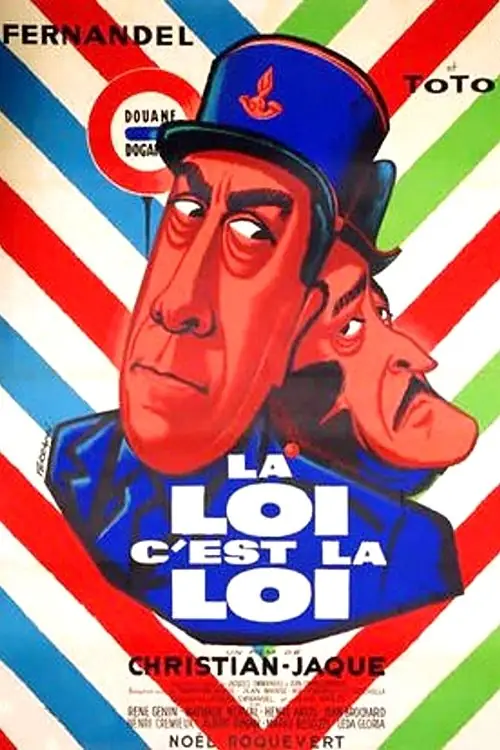
Nestled along an improbable frontier where two nations collide, the fictional hamlet of Assola becomes a…