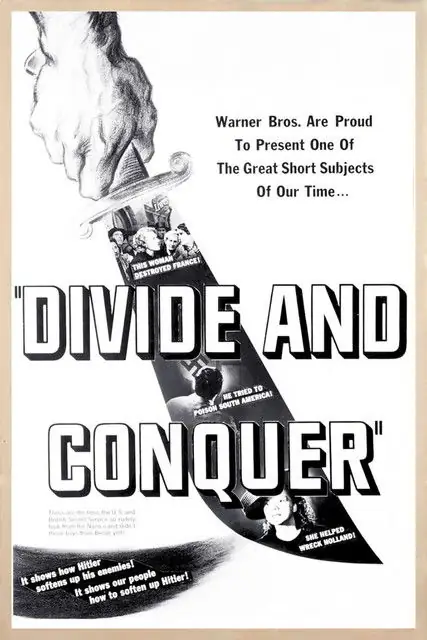
Why We Fight: Divide and Conquer
Frank Capra's wartime propaganda series reached its third installment with this harrowing account of Western…
142 min
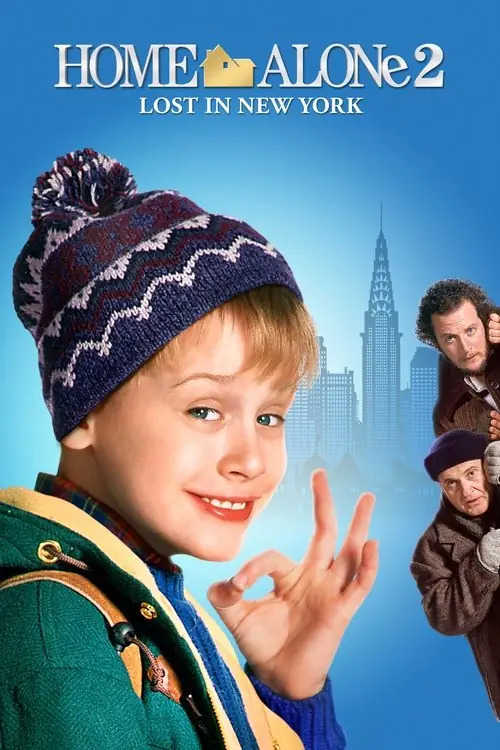
Home Alone 2: Lost in New York is that rare sequel that transplants its premise to a grander stage without sacrificing the chaotic charm that made the original a phenomenon. Kevin McCallister once again finds himself separated from his family during the holiday travel season, but this time the scale of his solitude is magnified: he is not merely alone in his suburban house but marooned in Manhattan, a child adrift in the most vertical and impersonal of American cities. The shift from domestic containment to urban wilderness reinvigorates the formula, granting the slapstick set pieces a more spectacular canvas while preserving the essential wish-fulfillment fantasy of a child commanding his own world. Kevin's resourcefulness in securing a hotel room with his father's credit card — and the complications that arise from a suspicious clerk and a meddling bellboy — introduces a new dimension of social comedy to the series. The luxury hotel, with its doormen and concierges and room-service menus, is a realm of adult sophistication that Kevin navigates with a mixture of childish wonder and precocious guile, and the film mines rich humor from the contrast between his age and his circumstances. These sequences have a buoyancy that offsets the more mechanical aspects of the plot. The return of the Wet Bandits — Harry and Marv, those indestructible practitioners of cartoon villainy — provides the requisite adversary for Kevin's ingenuity, and their plan to rob a toy store on Christmas Eve raises the moral stakes sufficiently to justify another round of Rube Goldberg-style punishment. The booby traps are more elaborate this time, and the physical comedy more extreme, pushing the violence toward a register of pure slapstick abstraction where pain ceases to signify and becomes simply a medium for gag construction. Beneath the mayhem, the film retains the original's emotional core — a child's longing for family that expresses itself paradoxically through the fantasy of their absence. Kevin's encounters with the pigeon lady in Central Park and his eventual reunion with his mother carry genuine feeling, grounding the cartoon excess in something recognizable and tender. New York itself, photographed with a tourist's wide-eyed affection, becomes a character in its own right — a city of strangers that, for one remarkable Christmas, a ten-year-old makes his own.
Home Alone 2: Lost in New York is that rare sequel that transplants its premise to a grander stage without sacrificing the chaotic charm that made the original a phenomenon. Kevin McCallister once again finds himself separated from his family during the holiday travel season, but this time the scale of his solitude is magnified: he is not merely alone in his suburban house but marooned in Manhattan, a child adrift in the most vertical and impersonal of American cities. The shift from domestic containment to urban wilderness reinvigorates the formula, granting the slapstick set pieces a more spectacular canvas while preserving the essential wish-fulfillment fantasy of a child commanding his own world. Kevin's resourcefulness in securing a hotel room with his father's credit card — and the complications that arise from a suspicious clerk and a meddling bellboy — introduces a new dimension of social comedy to the series. The luxury hotel, with its doormen and concierges and room-service menus, is a realm of adult sophistication that Kevin navigates with a mixture of childish wonder and precocious guile, and the film mines rich humor from the contrast between his age and his circumstances. These sequences have a buoyancy that offsets the more mechanical aspects of the plot. The return of the Wet Bandits — Harry and Marv, those indestructible practitioners of cartoon villainy — provides the requisite adversary for Kevin's ingenuity, and their plan to rob a toy store on Christmas Eve raises the moral stakes sufficiently to justify another round of Rube Goldberg-style punishment. The booby traps are more elaborate this time, and the physical comedy more extreme, pushing the violence toward a register of pure slapstick abstraction where pain ceases to signify and becomes simply a medium for gag construction. Beneath the mayhem, the film retains the original's emotional core — a child's longing for family that expresses itself paradoxically through the fantasy of their absence. Kevin's encounters with the pigeon lady in Central Park and his eventual reunion with his mother carry genuine feeling, grounding the cartoon excess in something recognizable and tender. New York itself, photographed with a tourist's wide-eyed affection, becomes a character in its own right — a city of strangers that, for one remarkable Christmas, a ten-year-old makes his own.
— Curator's log, recorded 1987±25 BCE
Frank Capra's wartime propaganda series reached its third installment with this harrowing account of Western…
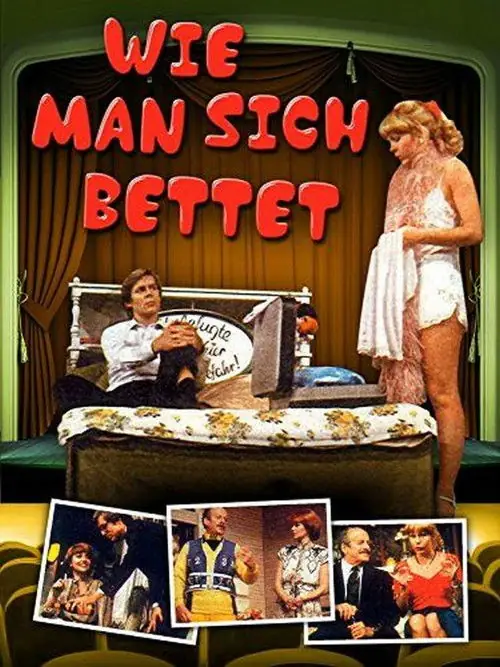
Middle age arrives not with a dramatic thunderclap but with a quiet, corrosive realization that the life one…
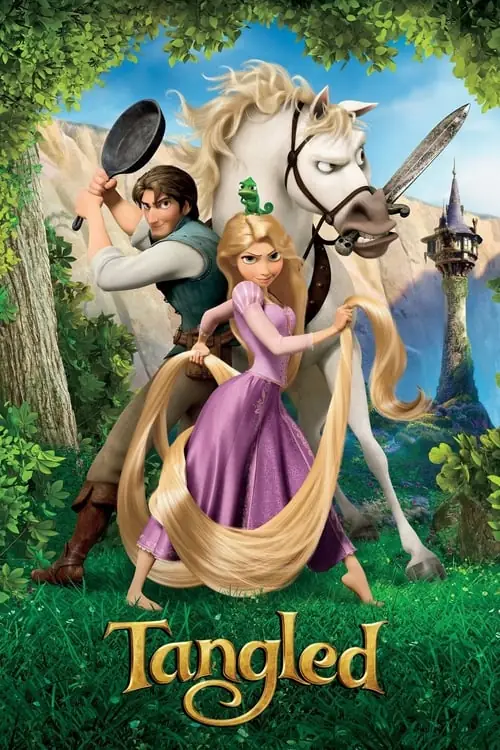
Disney's fiftieth animated feature stands as one of the studio's most exuberant reinventions of a classic…
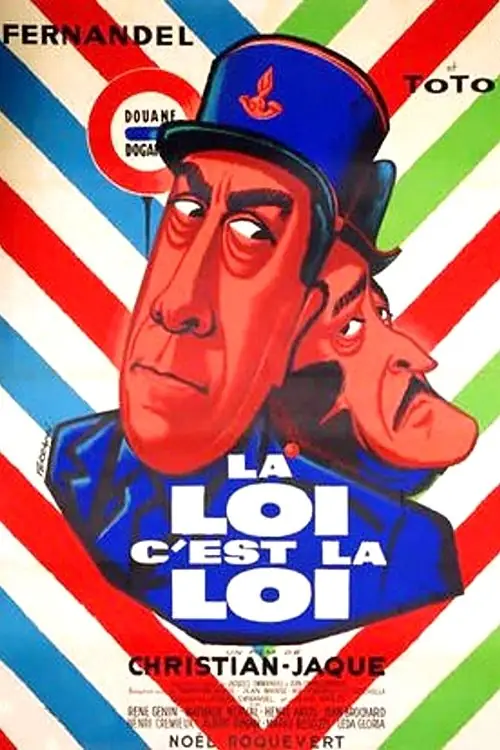
Nestled along an improbable frontier where two nations collide, the fictional hamlet of Assola becomes a…