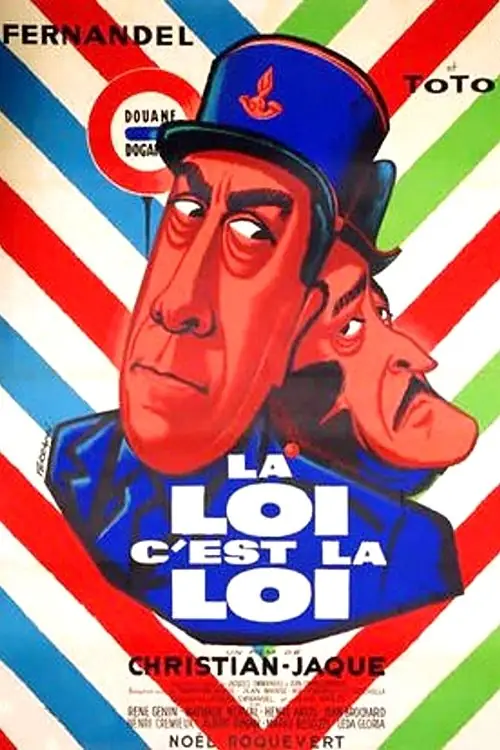
The Law Is the Law
Nestled along an improbable frontier where two nations collide, the fictional hamlet of Assola becomes a…
132 min
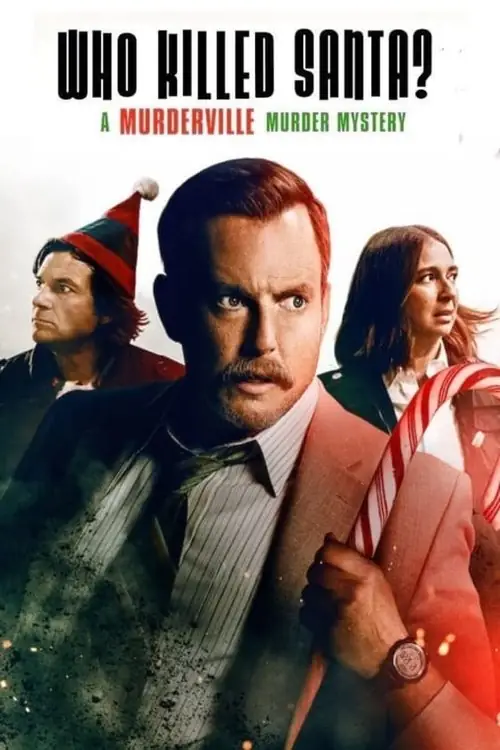
Murder mystery and improvisational comedy collide in this holiday-themed whodunit that transforms the most sacrosanct figure of seasonal cheer into a corpse and the most joyous time of year into an occasion for forensic investigation. The premise alone — who would have the audacity to dispatch Santa Claus? — announces a sensibility that regards no tradition as too beloved to puncture. At the center of the chaos stands a detective whose visceral hatred of the festive season makes him perhaps the least qualified person in the world to save Christmas, yet the very investigator most likely to pursue the case with vindictive enthusiasm. The film's structural conceit elevates it beyond mere parody: each installment introduces celebrity guest stars as trainee detectives who must improvise their way through the investigation without the benefit of a script. This format generates genuine unpredictability, as the guests' reactions to revelations, their interrogation techniques, and their leaps of logic are all unscripted and often gloriously wrongheaded. The contrast between the professional comedian's deadpan commitment to the procedural framework and the guests' bewildered spontaneity produces a comedy of errors that feels genuinely alive, resistant to the over-rehearsed quality that plagues many scripted comedies. Beneath the yuks, the murder mystery itself is constructed with surprising care, planting genuine clues amid the comic debris and building toward a resolution that, while perhaps not strictly fair-play by classic detective fiction standards, satisfies the audience's desire for narrative coherence. The production design leans into a deliberately garish Christmas aesthetic — candy-cane-striped crime scenes, tinsel-draped evidence markers, a coroner's office decorated with stockings — creating a visual world in which festivity and criminality are inseparable. The film's most winning quality is its refusal to take the easy route of simple scoffing at holiday sentimentality. By the climax, even the Christmas-hating detective has been forced to acknowledge that the season's power lies not in its commercial trappings but in the stubborn human insistence on gathering, giving, and finding light in darkness — even when that light happens to be shining on a crime scene. The comedy ultimately earns its emotional payoff by earning its cynicism first, then demonstrating that the distance between bah and humbug is shorter than anyone supposed.
Murder mystery and improvisational comedy collide in this holiday-themed whodunit that transforms the most sacrosanct figure of seasonal cheer into a corpse and the most joyous time of year into an occasion for forensic investigation. The premise alone — who would have the audacity to dispatch Santa Claus? — announces a sensibility that regards no tradition as too beloved to puncture. At the center of the chaos stands a detective whose visceral hatred of the festive season makes him perhaps the least qualified person in the world to save Christmas, yet the very investigator most likely to pursue the case with vindictive enthusiasm. The film's structural conceit elevates it beyond mere parody: each installment introduces celebrity guest stars as trainee detectives who must improvise their way through the investigation without the benefit of a script. This format generates genuine unpredictability, as the guests' reactions to revelations, their interrogation techniques, and their leaps of logic are all unscripted and often gloriously wrongheaded. The contrast between the professional comedian's deadpan commitment to the procedural framework and the guests' bewildered spontaneity produces a comedy of errors that feels genuinely alive, resistant to the over-rehearsed quality that plagues many scripted comedies. Beneath the yuks, the murder mystery itself is constructed with surprising care, planting genuine clues amid the comic debris and building toward a resolution that, while perhaps not strictly fair-play by classic detective fiction standards, satisfies the audience's desire for narrative coherence. The production design leans into a deliberately garish Christmas aesthetic — candy-cane-striped crime scenes, tinsel-draped evidence markers, a coroner's office decorated with stockings — creating a visual world in which festivity and criminality are inseparable. The film's most winning quality is its refusal to take the easy route of simple scoffing at holiday sentimentality. By the climax, even the Christmas-hating detective has been forced to acknowledge that the season's power lies not in its commercial trappings but in the stubborn human insistence on gathering, giving, and finding light in darkness — even when that light happens to be shining on a crime scene. The comedy ultimately earns its emotional payoff by earning its cynicism first, then demonstrating that the distance between bah and humbug is shorter than anyone supposed.
— Curator's log, recorded 2003±25 BCE
Nestled along an improbable frontier where two nations collide, the fictional hamlet of Assola becomes a…

Film noir occupies a peculiar position in the American cinematic imagination — a genre defined as much by its…
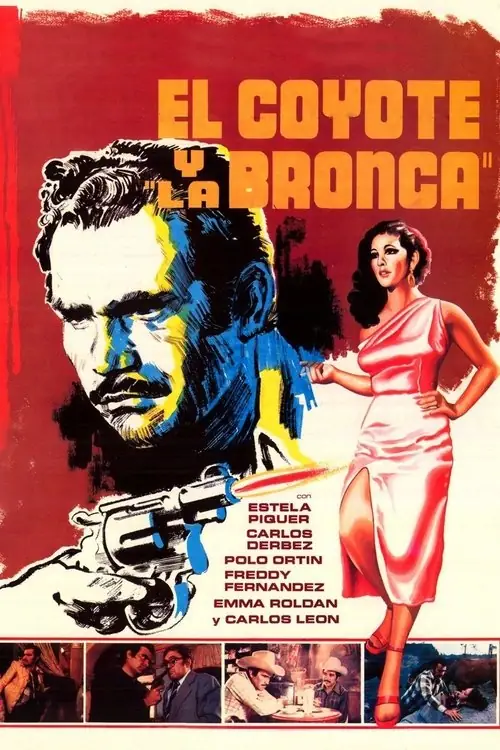
The Mexican crime thriller has undergone a remarkable evolution in recent decades, moving beyond narco…
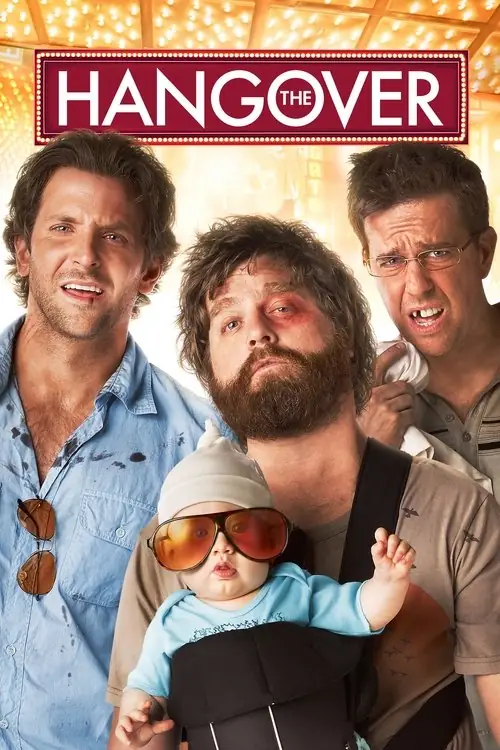
The bachelor party has been a fixture of wedding-adjacent cinema for decades, typically serving as a ritual…