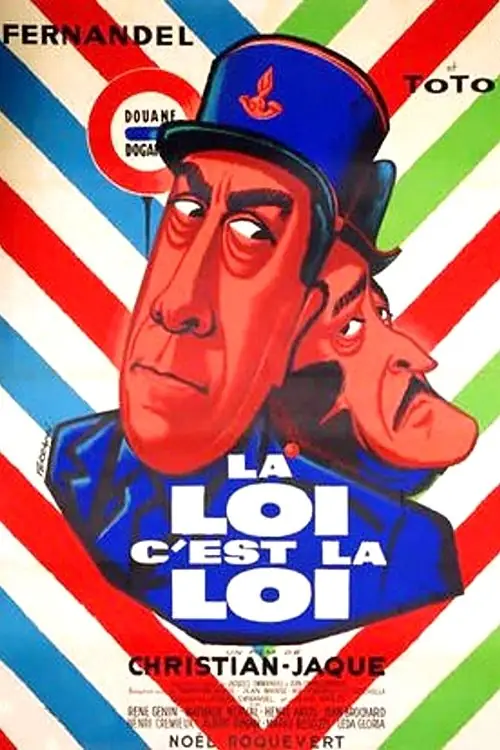
The Law Is the Law
Nestled along an improbable frontier where two nations collide, the fictional hamlet of Assola becomes a…
132 min

Film noir occupies a peculiar position in the American cinematic imagination — a genre defined as much by its critical afterlife as by its original productions. This documentary turns its analytical gaze toward a single entry in the noir canon, the 1950 thriller Where Danger Lives, using one film as a lens through which to examine the broader tensions, aesthetic strategies, and industrial conditions that gave noir its distinctive shape. The approach is both microscopic and expansive, toggling between granular analysis of individual sequences and wide-angle consideration of the cultural forces that made such shadow-drenched storytelling possible in postwar Hollywood. The filmmakers draw on an impressive roster of commentators — critics, archivists, and film historians — who dissect the picture's central performance by Robert Mitchum, an actor whose laconic physicality and sleepy-eyed menace embodied noir's romantic fatalism with uncanny precision. Discussion of Claire Trevor's work opposite him illuminates how the film's gender dynamics operated within and against the genre's conventions, presenting a woman whose duplicity is inseparable from her entrapment within patriarchal structures. The documentary refuses the temptation to celebrate noir uncritically, instead probing the uncomfortable implications of a visual style that found its greatest expressive power in depicting damaged men and destructive women. Production history receives meticulous attention, with archival materials revealing how budgetary constraints, studio mandates, and the creative problem-solving of below-the-line craftsmen shaped the final product. Cinematographer John Alton's contributions are highlighted as a case study in how noir's visual vocabulary emerged not solely from directorial vision but from collaborative craft — the lighting rig, the fog machine, the carefully placed shadow that transforms a cheap set into a landscape of existential dread. Beyond its specific subject, the documentary functions as a meditation on the act of retrospective canonization, asking how and why certain films are rescued from oblivion while others molder in studio vaults. The title's reference to a white rose — presumably evoking both purity and mourning — suggests the bittersweet quality of critical recovery: we honor these works even as we acknowledge the industrial machinery that produced them as commodities first and art second. The result is a piece of film scholarship that respects its subject without sentimentalizing it, and that models a mode of engaged criticism attentive to both aesthetic achievement and historical contingency.
Film noir occupies a peculiar position in the American cinematic imagination — a genre defined as much by its critical afterlife as by its original productions. This documentary turns its analytical gaze toward a single entry in the noir canon, the 1950 thriller Where Danger Lives, using one film as a lens through which to examine the broader tensions, aesthetic strategies, and industrial conditions that gave noir its distinctive shape. The approach is both microscopic and expansive, toggling between granular analysis of individual sequences and wide-angle consideration of the cultural forces that made such shadow-drenched storytelling possible in postwar Hollywood. The filmmakers draw on an impressive roster of commentators — critics, archivists, and film historians — who dissect the picture's central performance by Robert Mitchum, an actor whose laconic physicality and sleepy-eyed menace embodied noir's romantic fatalism with uncanny precision. Discussion of Claire Trevor's work opposite him illuminates how the film's gender dynamics operated within and against the genre's conventions, presenting a woman whose duplicity is inseparable from her entrapment within patriarchal structures. The documentary refuses the temptation to celebrate noir uncritically, instead probing the uncomfortable implications of a visual style that found its greatest expressive power in depicting damaged men and destructive women. Production history receives meticulous attention, with archival materials revealing how budgetary constraints, studio mandates, and the creative problem-solving of below-the-line craftsmen shaped the final product. Cinematographer John Alton's contributions are highlighted as a case study in how noir's visual vocabulary emerged not solely from directorial vision but from collaborative craft — the lighting rig, the fog machine, the carefully placed shadow that transforms a cheap set into a landscape of existential dread. Beyond its specific subject, the documentary functions as a meditation on the act of retrospective canonization, asking how and why certain films are rescued from oblivion while others molder in studio vaults. The title's reference to a white rose — presumably evoking both purity and mourning — suggests the bittersweet quality of critical recovery: we honor these works even as we acknowledge the industrial machinery that produced them as commodities first and art second. The result is a piece of film scholarship that respects its subject without sentimentalizing it, and that models a mode of engaged criticism attentive to both aesthetic achievement and historical contingency.
— Curator's log, recorded 1975±25 BCE
Nestled along an improbable frontier where two nations collide, the fictional hamlet of Assola becomes a…
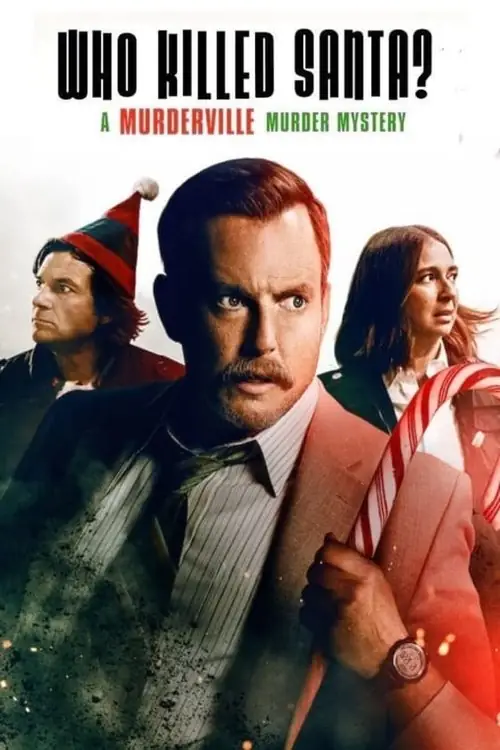
Murder mystery and improvisational comedy collide in this holiday-themed whodunit that transforms the most…
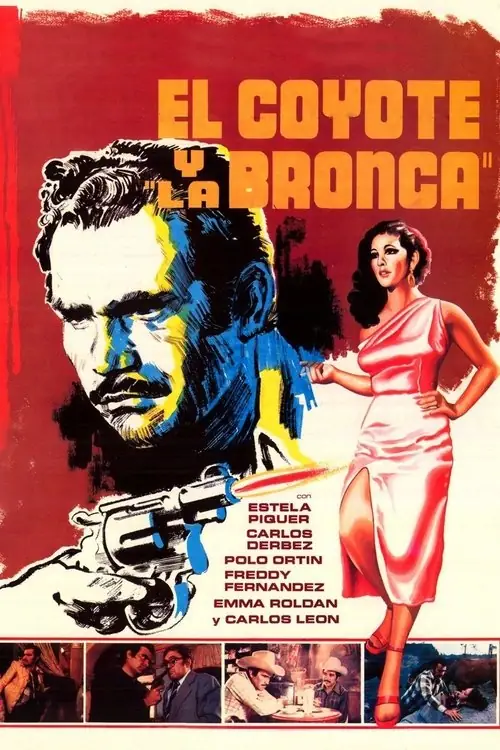
The Mexican crime thriller has undergone a remarkable evolution in recent decades, moving beyond narco…
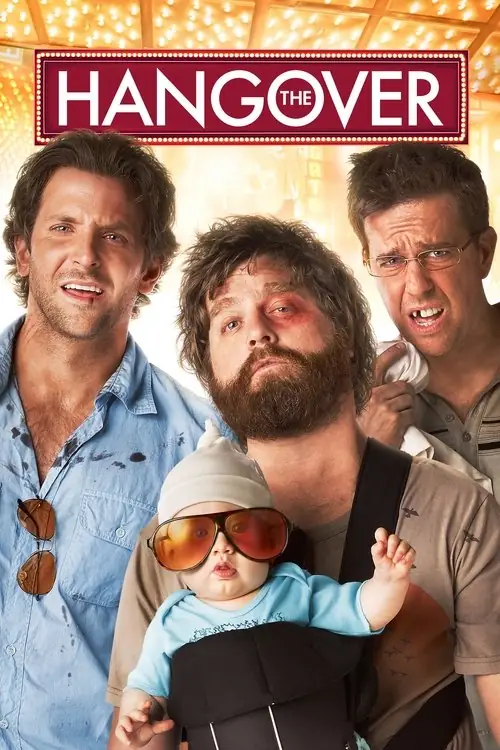
The bachelor party has been a fixture of wedding-adjacent cinema for decades, typically serving as a ritual…