
The Law Is the Law
Nestled along an improbable frontier where two nations collide, the fictional hamlet of Assola becomes a…
132 min
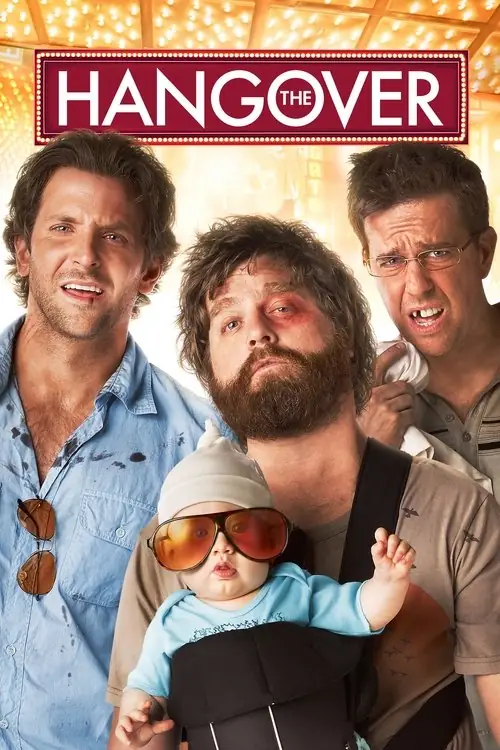
The bachelor party has been a fixture of wedding-adjacent cinema for decades, typically serving as a ritual of controlled chaos before the domesticating influence of marriage reasserts itself. This film takes that familiar template and detonates it, propelling three companions from the foggy aftermath of a night they cannot remember into a detective story they never asked for. The premise is elegantly simple: Phil, Stu, and Alan awaken in a trashed Las Vegas hotel suite to discover a baby in the closet, a tiger in the bathroom, and — most critically — their friend Doug missing entirely. What follows is a frantic reverse-engineering of the previous evening's events, each recovered clue revealing a fresh layer of catastrophe while the clock ticks toward Doug's scheduled nuptials. The comedic engine that drives the narrative is the contrast between the trio's increasing desperation and the sheer absurdity of the situations they encounter. Mike Tyson performing air drums, a stolen police car, an impromptu wedding, a gangster demanding the return of his stolen money — each encounter escalates the stakes while simultaneously deepening the mystery of how such a cascade of disasters could have befallen three seemingly ordinary men. The filmmakers display a keen instinct for rhythmic variation, alternating between frantic set pieces and quieter moments of bewildered inventory-taking that allow the audience to catch its breath before the next absurdity descends. Performance is crucial to the film's success. The three leads inhabit distinct comic registers — the smooth operator, the repressed professional, the unpredictable wildcard — that generate friction in every scene. Their dynamic replicates the volatile chemistry of actual friendship groups, where affection and irritation coexist in unstable equilibrium. The supporting cast, meanwhile, delivers creations of inspired eccentricity that could easily have tipped into tiresomeness but instead achieve a kind of demented specificity — these are not sketch-comedy types but people who exist, improbably, in a universe just slightly more deranged than our own. Beneath the mayhem, the film functions as a sly commentary on the mythology of Las Vegas itself — a city that promises the suspension of consequence and delivers, instead, consequences of unprecedented inventiveness. The famous adage proves prophetic: what happens in Vegas refuses to stay there, following the characters back into the daylight world of responsibility and obligation. Yet the film never moralizes. It treats its characters' transgressions with the cheerful amorality of a culture that understands that the stories we tell about our worst behavior are often the ones we treasure most. The hangover, both literal and metaphorical, is the price of admission to a narrative that insists the only thing worse than waking up in a disaster zone is never having the adventure that created it.
The bachelor party has been a fixture of wedding-adjacent cinema for decades, typically serving as a ritual of controlled chaos before the domesticating influence of marriage reasserts itself. This film takes that familiar template and detonates it, propelling three companions from the foggy aftermath of a night they cannot remember into a detective story they never asked for. The premise is elegantly simple: Phil, Stu, and Alan awaken in a trashed Las Vegas hotel suite to discover a baby in the closet, a tiger in the bathroom, and — most critically — their friend Doug missing entirely. What follows is a frantic reverse-engineering of the previous evening's events, each recovered clue revealing a fresh layer of catastrophe while the clock ticks toward Doug's scheduled nuptials. The comedic engine that drives the narrative is the contrast between the trio's increasing desperation and the sheer absurdity of the situations they encounter. Mike Tyson performing air drums, a stolen police car, an impromptu wedding, a gangster demanding the return of his stolen money — each encounter escalates the stakes while simultaneously deepening the mystery of how such a cascade of disasters could have befallen three seemingly ordinary men. The filmmakers display a keen instinct for rhythmic variation, alternating between frantic set pieces and quieter moments of bewildered inventory-taking that allow the audience to catch its breath before the next absurdity descends. Performance is crucial to the film's success. The three leads inhabit distinct comic registers — the smooth operator, the repressed professional, the unpredictable wildcard — that generate friction in every scene. Their dynamic replicates the volatile chemistry of actual friendship groups, where affection and irritation coexist in unstable equilibrium. The supporting cast, meanwhile, delivers creations of inspired eccentricity that could easily have tipped into tiresomeness but instead achieve a kind of demented specificity — these are not sketch-comedy types but people who exist, improbably, in a universe just slightly more deranged than our own. Beneath the mayhem, the film functions as a sly commentary on the mythology of Las Vegas itself — a city that promises the suspension of consequence and delivers, instead, consequences of unprecedented inventiveness. The famous adage proves prophetic: what happens in Vegas refuses to stay there, following the characters back into the daylight world of responsibility and obligation. Yet the film never moralizes. It treats its characters' transgressions with the cheerful amorality of a culture that understands that the stories we tell about our worst behavior are often the ones we treasure most. The hangover, both literal and metaphorical, is the price of admission to a narrative that insists the only thing worse than waking up in a disaster zone is never having the adventure that created it.
— Curator's log, recorded 1981±25 BCE
Nestled along an improbable frontier where two nations collide, the fictional hamlet of Assola becomes a…

Film noir occupies a peculiar position in the American cinematic imagination — a genre defined as much by its…
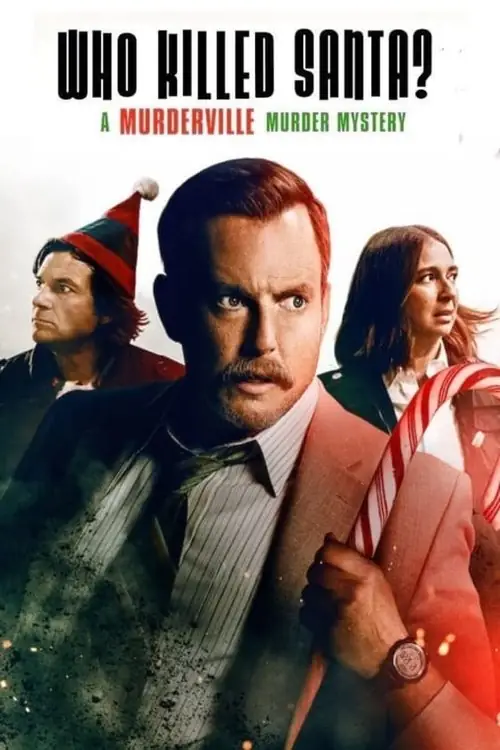
Murder mystery and improvisational comedy collide in this holiday-themed whodunit that transforms the most…
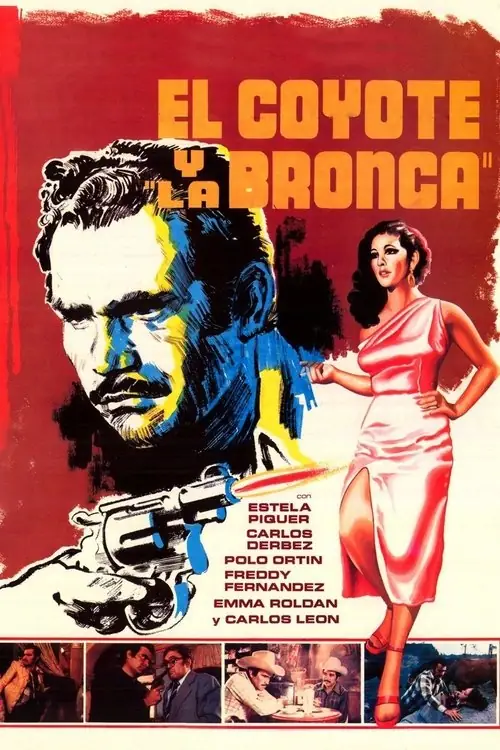
The Mexican crime thriller has undergone a remarkable evolution in recent decades, moving beyond narco…