
Prípad na vidieku
Prípad na vidieku is a film of homecoming and reckoning, following the historian Rimko as he returns to…
176 min
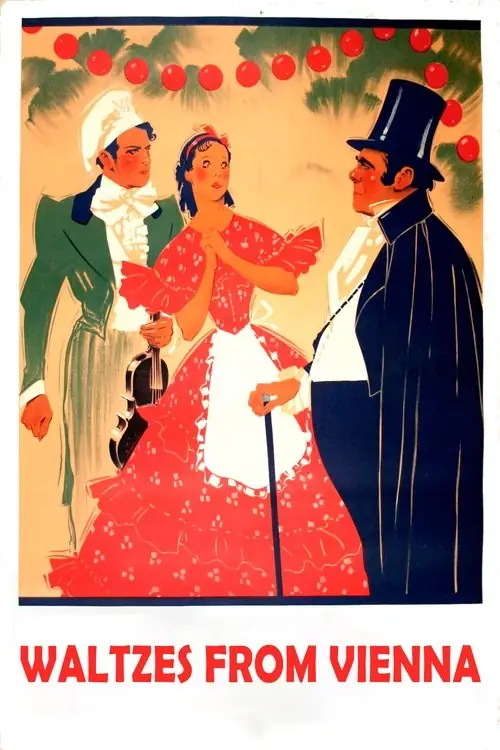
Waltzes from Vienna is a musical biopic of considerable charm and historical interest, dramatizing the formative struggles of Johann Strauss Jr. as he attempts to forge an artistic identity against the formidable opposition of his domineering father. The elder Strauss, himself a celebrated composer, insists that his son abandon the uncertain path of music for the dependable trade of a bakery — a demand that crystallizes the perennial conflict between parental pragmatism and filial ambition, between the desire to protect and the desire to liberate. The film locates its dramatic energy in this Oedipal tension, which plays out against the waltz-saturated backdrop of a Vienna where music is both civic religion and commercial enterprise. Strauss Jr.'s romantic entanglements further complicate his situation. He is drawn to Resi, the baker's daughter, whose affection represents the domestic stability his father envisions, while simultaneously receiving encouragement from a wealthy countess whose patronage could open professional doors but at the cost of a different kind of entanglement. The film handles this romantic triangle with a light touch, allowing it to mirror the larger choice between security and artistry without reducing either woman to a mere symbol. Both relationships carry genuine feeling, and the film respects the difficulty of choosing between them. The musical sequences are, as one would hope, the film's glory. The process by which Strauss finds the inspiration for The Blue Danube — perhaps the most famous waltz ever composed — is rendered with a sensitivity to the mysterious alchemy of creation, the way fragments of melody coalesce from experience, emotion, and the ambient sounds of a city. The film does not pretend to demystify this process but instead dramatizes its outer contours: the moments of frustration, the sudden flashes, the slow accretion of phrase upon phrase until something irreducible emerges. Produced in the early sound era, Waltzes from Vienna bears the technical limitations of its moment but transcends them through the quality of its material and the evident affection with which it treats its subject. It is a film about the cost of artistic vocation and the particular stubbornness required to pursue beauty in the face of paternal disapproval and social expectation.
Waltzes from Vienna is a musical biopic of considerable charm and historical interest, dramatizing the formative struggles of Johann Strauss Jr. as he attempts to forge an artistic identity against the formidable opposition of his domineering father. The elder Strauss, himself a celebrated composer, insists that his son abandon the uncertain path of music for the dependable trade of a bakery — a demand that crystallizes the perennial conflict between parental pragmatism and filial ambition, between the desire to protect and the desire to liberate. The film locates its dramatic energy in this Oedipal tension, which plays out against the waltz-saturated backdrop of a Vienna where music is both civic religion and commercial enterprise. Strauss Jr.'s romantic entanglements further complicate his situation. He is drawn to Resi, the baker's daughter, whose affection represents the domestic stability his father envisions, while simultaneously receiving encouragement from a wealthy countess whose patronage could open professional doors but at the cost of a different kind of entanglement. The film handles this romantic triangle with a light touch, allowing it to mirror the larger choice between security and artistry without reducing either woman to a mere symbol. Both relationships carry genuine feeling, and the film respects the difficulty of choosing between them. The musical sequences are, as one would hope, the film's glory. The process by which Strauss finds the inspiration for The Blue Danube — perhaps the most famous waltz ever composed — is rendered with a sensitivity to the mysterious alchemy of creation, the way fragments of melody coalesce from experience, emotion, and the ambient sounds of a city. The film does not pretend to demystify this process but instead dramatizes its outer contours: the moments of frustration, the sudden flashes, the slow accretion of phrase upon phrase until something irreducible emerges. Produced in the early sound era, Waltzes from Vienna bears the technical limitations of its moment but transcends them through the quality of its material and the evident affection with which it treats its subject. It is a film about the cost of artistic vocation and the particular stubbornness required to pursue beauty in the face of paternal disapproval and social expectation.
— Curator's log, recorded 1957±25 BCE
Prípad na vidieku is a film of homecoming and reckoning, following the historian Rimko as he returns to…
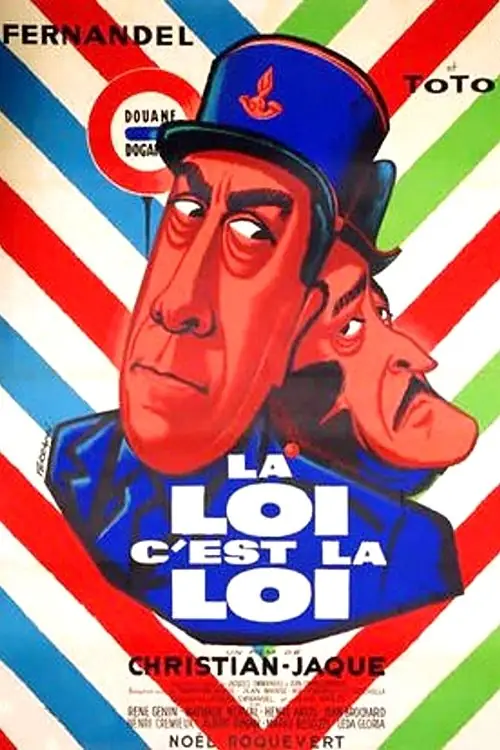
Nestled along an improbable frontier where two nations collide, the fictional hamlet of Assola becomes a…

Water has long served as cinema's most mutable metaphor — a medium of transformation, disappearance, and the…

Operating in a register of unbridled creative excess, this audacious genre hybrid reimagines Shakespearean…