
Till Human Voices Wake Us
Water has long served as cinema's most mutable metaphor — a medium of transformation, disappearance, and the…
152 min

Operating in a register of unbridled creative excess, this audacious genre hybrid reimagines Shakespearean tragedy through the distorted lens of Nazi exploitation cinema, Cold War paranoia, and splattery midnight-movie aesthetics. The premise alone announces its defiance of conventional taste: a fanatical Nazi officer harbors a devastating chemical weapon, only to be thwarted at the critical moment by a Soviet femme fatale whose romantic entanglement with the enemy produces twin offspring — Romeo and Juliet — raised under diametrically opposed ideological banners. The collision of high literary allusion with pulpy sensationalism is neither accidental nor merely provocative; it constitutes the film's entire artistic reason for being. Romeo, rendered a deranged scientist, obsessively pursues the formula for his late father's apocalyptic weapon, his laboratory a fever dream of bubbling beakers and megalomaniacal monologues. Juliet, endowed with formidable physical prowess and an equally imposing physical form, emerges as the unlikely champion standing between civilization and fascist annihilation. Their sibling bond, warped beyond recognition by competing dogmas, mirrors the broader ideological schisms that defined the twentieth century — and does so with a knowing wink that undercuts any pretense of solemnity. The film's visual language draws liberally from the garish palettes of 1970s exploitation, combining oversaturated color gels, aggressive zooms, and practical effects that revel in their own artifice. Action sequences are choreographed with a blend of martial arts precision and cartoonish exaggeration, while the production design leans into the theatricality of its conceit — Nazi regalia rubs shoulders with Soviet iconography in a collision of symbols stripped of their historical weight and repurposed as pop-art signifiers. Beneath the mayhem lies a surprisingly sharp commentary on how ideology corrupts intimacy, how the mythologies we inherit shape our desires, and how the stories we tell about enemies and lovers are often indistinguishable. The decision to cast Juliet as the heroine rather than the victim subverts the source material's gender politics even as it exploits the visual grammar of exploitation. It is a film that demands to be experienced rather than defended — a chaotic, offensive, and weirdly principled assault on good taste that somehow arrives at something resembling genuine provocation.
Operating in a register of unbridled creative excess, this audacious genre hybrid reimagines Shakespearean tragedy through the distorted lens of Nazi exploitation cinema, Cold War paranoia, and splattery midnight-movie aesthetics. The premise alone announces its defiance of conventional taste: a fanatical Nazi officer harbors a devastating chemical weapon, only to be thwarted at the critical moment by a Soviet femme fatale whose romantic entanglement with the enemy produces twin offspring — Romeo and Juliet — raised under diametrically opposed ideological banners. The collision of high literary allusion with pulpy sensationalism is neither accidental nor merely provocative; it constitutes the film's entire artistic reason for being. Romeo, rendered a deranged scientist, obsessively pursues the formula for his late father's apocalyptic weapon, his laboratory a fever dream of bubbling beakers and megalomaniacal monologues. Juliet, endowed with formidable physical prowess and an equally imposing physical form, emerges as the unlikely champion standing between civilization and fascist annihilation. Their sibling bond, warped beyond recognition by competing dogmas, mirrors the broader ideological schisms that defined the twentieth century — and does so with a knowing wink that undercuts any pretense of solemnity. The film's visual language draws liberally from the garish palettes of 1970s exploitation, combining oversaturated color gels, aggressive zooms, and practical effects that revel in their own artifice. Action sequences are choreographed with a blend of martial arts precision and cartoonish exaggeration, while the production design leans into the theatricality of its conceit — Nazi regalia rubs shoulders with Soviet iconography in a collision of symbols stripped of their historical weight and repurposed as pop-art signifiers. Beneath the mayhem lies a surprisingly sharp commentary on how ideology corrupts intimacy, how the mythologies we inherit shape our desires, and how the stories we tell about enemies and lovers are often indistinguishable. The decision to cast Juliet as the heroine rather than the victim subverts the source material's gender politics even as it exploits the visual grammar of exploitation. It is a film that demands to be experienced rather than defended — a chaotic, offensive, and weirdly principled assault on good taste that somehow arrives at something resembling genuine provocation.
— Curator's log, recorded 2000±25 BCE
Water has long served as cinema's most mutable metaphor — a medium of transformation, disappearance, and the…

Constantin Brâncuși stands as one of the towering figures of modern sculpture, an artist who stripped form…

The American frontier of the 1850s serves as the punishing backdrop for this morally intricate western-horror…
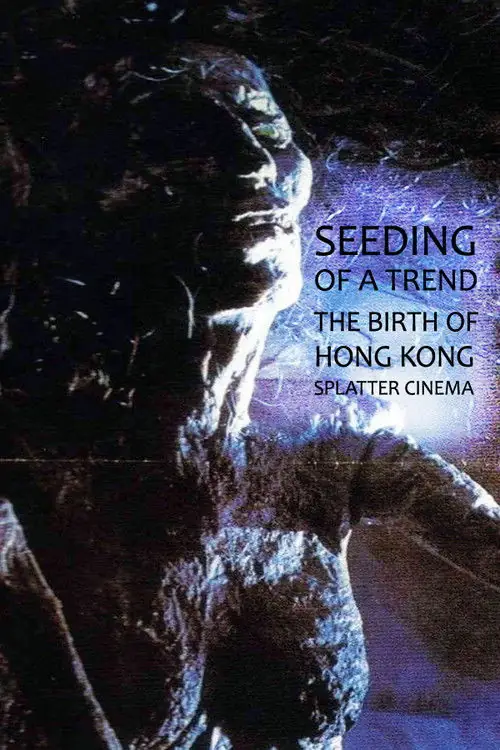
Hong Kong cinema's relationship with extreme on-screen violence has long fascinated scholars and…