
Till Human Voices Wake Us
Water has long served as cinema's most mutable metaphor — a medium of transformation, disappearance, and the…
152 min
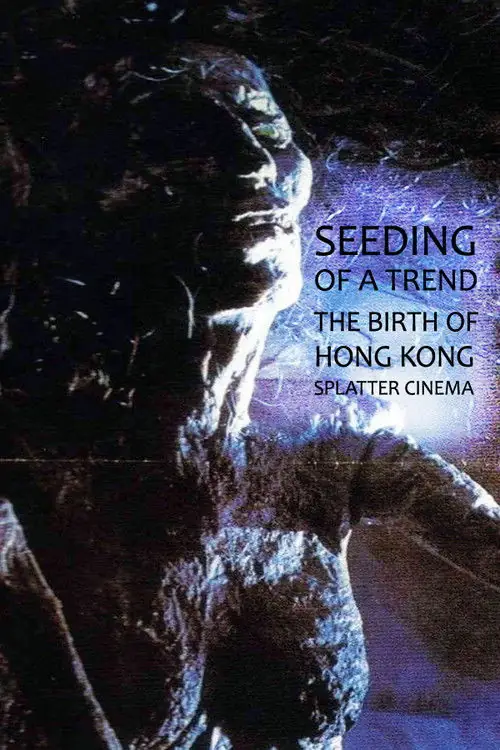
Hong Kong cinema's relationship with extreme on-screen violence has long fascinated scholars and sensation-seekers alike, yet few documentaries have attempted to trace the genealogy of the territory's splatter tradition with the rigor and affection on display here. This film positions itself as an archaeological excavation of a subgenre that emerged from the collision of Shaw Brothers martial arts aesthetics, Category III exploitation freedoms, and a local production culture that valued prolificacy and audacity above all else. Through interviews with directors, special effects technicians, critics, and cultural commentators, the documentary constructs a lineage that complicates easy dismissals of splatter as mere trash, revealing instead a tradition steeped in political subtext, technical ingenuity, and a distinctly Hong Kongese attitude toward bodily excess. The early sections establish the institutional and regulatory conditions that made the splatter boom possible. The introduction of the Category III rating in 1988 created a commercial incentive for extreme content, while the territory's compact production infrastructure enabled rapid turnaround that kept pace with audience appetites. Filmmakers speak candidly about the economic pressures and creative opportunities of this environment, describing a culture in which a successful formula was immediately iterated upon, amplified, and pushed toward previously unimaginable extremes. The documentary captures the adrenaline of that accelerated cycle without romanticizing its casualties — the burned-out technicians, the marginalized performers, the creative talents who sacrificed artistic ambition for commercial survival. Particular attention is devoted to the practical effects artistry that distinguished Hong Kong splatter from its Western counterparts. Where Hollywood effects houses pursued ever-greater realism, their Hong Kong equivalents embraced a more theatrical register — geysers of crimson that owed more to Chinese opera than to forensic accuracy, dismemberments that achieved a grotesque balletic grace. Practitioners demonstrate their techniques with evident pride, and the film argues convincingly that this aesthetic of exaggerated corporeality carries cultural resonances linking back to traditional performance forms that Western viewers rarely recognize. The documentary's most provocative thesis concerns the political dimensions of splatter's rise during the years preceding the 1997 handover. Several commentators read the genre's obsession with bodily disintegration as an unconscious expression of communal anxiety about the dissolution of Hong Kong's autonomous identity, an argument that transforms ostensibly apolitical entertainment into a form of collective nightmare. Whether or not one accepts this reading, the film makes a compelling case that Hong Kong splatter deserves serious critical attention — not despite its excesses but because of what those excesses reveal about a culture processing its own precarious future.
Hong Kong cinema's relationship with extreme on-screen violence has long fascinated scholars and sensation-seekers alike, yet few documentaries have attempted to trace the genealogy of the territory's splatter tradition with the rigor and affection on display here. This film positions itself as an archaeological excavation of a subgenre that emerged from the collision of Shaw Brothers martial arts aesthetics, Category III exploitation freedoms, and a local production culture that valued prolificacy and audacity above all else. Through interviews with directors, special effects technicians, critics, and cultural commentators, the documentary constructs a lineage that complicates easy dismissals of splatter as mere trash, revealing instead a tradition steeped in political subtext, technical ingenuity, and a distinctly Hong Kongese attitude toward bodily excess. The early sections establish the institutional and regulatory conditions that made the splatter boom possible. The introduction of the Category III rating in 1988 created a commercial incentive for extreme content, while the territory's compact production infrastructure enabled rapid turnaround that kept pace with audience appetites. Filmmakers speak candidly about the economic pressures and creative opportunities of this environment, describing a culture in which a successful formula was immediately iterated upon, amplified, and pushed toward previously unimaginable extremes. The documentary captures the adrenaline of that accelerated cycle without romanticizing its casualties — the burned-out technicians, the marginalized performers, the creative talents who sacrificed artistic ambition for commercial survival. Particular attention is devoted to the practical effects artistry that distinguished Hong Kong splatter from its Western counterparts. Where Hollywood effects houses pursued ever-greater realism, their Hong Kong equivalents embraced a more theatrical register — geysers of crimson that owed more to Chinese opera than to forensic accuracy, dismemberments that achieved a grotesque balletic grace. Practitioners demonstrate their techniques with evident pride, and the film argues convincingly that this aesthetic of exaggerated corporeality carries cultural resonances linking back to traditional performance forms that Western viewers rarely recognize. The documentary's most provocative thesis concerns the political dimensions of splatter's rise during the years preceding the 1997 handover. Several commentators read the genre's obsession with bodily disintegration as an unconscious expression of communal anxiety about the dissolution of Hong Kong's autonomous identity, an argument that transforms ostensibly apolitical entertainment into a form of collective nightmare. Whether or not one accepts this reading, the film makes a compelling case that Hong Kong splatter deserves serious critical attention — not despite its excesses but because of what those excesses reveal about a culture processing its own precarious future.
— Curator's log, recorded 1956±25 BCE
Water has long served as cinema's most mutable metaphor — a medium of transformation, disappearance, and the…

Operating in a register of unbridled creative excess, this audacious genre hybrid reimagines Shakespearean…

Constantin Brâncuși stands as one of the towering figures of modern sculpture, an artist who stripped form…

The American frontier of the 1850s serves as the punishing backdrop for this morally intricate western-horror…