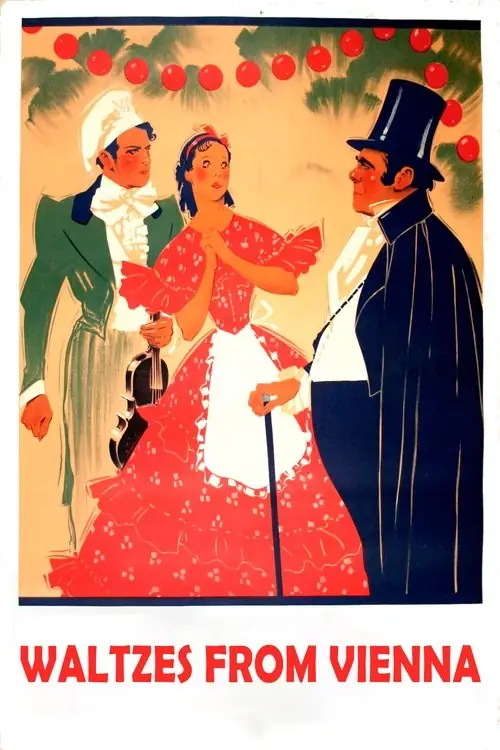
Waltzes from Vienna
Waltzes from Vienna is a musical biopic of considerable charm and historical interest, dramatizing the…
174 min

Prípad na vidieku is a film of homecoming and reckoning, following the historian Rimko as he returns to eastern Slovakia after decades away, accompanied by his young lover, to confront the unresolved questions that have shadowed his adult life. The landscape of his childhood — rural, quietly beautiful, marked by the particular melancholy of places that time and modernization have partially erased — becomes the terrain not just of physical return but of moral inventory. Rimko has spent twenty years studying the Middle Ages, and the film draws a subtle, suggestive parallel between the historian's professional distance from his subject and his personal distance from his own past. Rimko presents himself as a decent man — moderately successful, reasonably attractive, ultimately at peace with the choices he has made. But the return to his native ground fractures this self-assessment, exposing fault lines that his professional identity had papered over. The questions he brings are not abstract but intimate: about the attitudes he adopted and later abandoned, about the mistakes he rationalized at the time but cannot rationalize in retrospect, about the moral debts he incurred and never settled. The film treats these inquiries with a seriousness that resists both self-pity and self-exoneration, allowing Rimko's confrontation with his younger self to unfold without the comfort of clear verdicts. The political backdrop — the transformations that have reshaped eastern Slovakia in Rimko's absence — is present but not insistent, woven into the texture of daily life rather than foregrounded as thematic content. The changes in the landscape, the economy, the social fabric provide a context for Rimko's personal reassessment, suggesting that individual and collective histories are intertwined in ways that neither can fully account for. His young lover, whose perspective on this world is unburdened by memory, serves as a foil who illuminates by contrast the weight of what Rimko carries. The film's pace is contemplative, its rhythms attuned to the unhurried tempo of rural existence. Long takes observe the land and its inhabitants with a patient attentiveness that mirrors Rimko's own scholarly habit of looking closely before interpreting. This formal discipline gives the emotional climaxes their force, emerging from accumulation rather than dramatic contrivance. Prípad na vidieku is ultimately a work about the impossibility of truly going home — and the necessity of making the attempt anyway.
Prípad na vidieku is a film of homecoming and reckoning, following the historian Rimko as he returns to eastern Slovakia after decades away, accompanied by his young lover, to confront the unresolved questions that have shadowed his adult life. The landscape of his childhood — rural, quietly beautiful, marked by the particular melancholy of places that time and modernization have partially erased — becomes the terrain not just of physical return but of moral inventory. Rimko has spent twenty years studying the Middle Ages, and the film draws a subtle, suggestive parallel between the historian's professional distance from his subject and his personal distance from his own past. Rimko presents himself as a decent man — moderately successful, reasonably attractive, ultimately at peace with the choices he has made. But the return to his native ground fractures this self-assessment, exposing fault lines that his professional identity had papered over. The questions he brings are not abstract but intimate: about the attitudes he adopted and later abandoned, about the mistakes he rationalized at the time but cannot rationalize in retrospect, about the moral debts he incurred and never settled. The film treats these inquiries with a seriousness that resists both self-pity and self-exoneration, allowing Rimko's confrontation with his younger self to unfold without the comfort of clear verdicts. The political backdrop — the transformations that have reshaped eastern Slovakia in Rimko's absence — is present but not insistent, woven into the texture of daily life rather than foregrounded as thematic content. The changes in the landscape, the economy, the social fabric provide a context for Rimko's personal reassessment, suggesting that individual and collective histories are intertwined in ways that neither can fully account for. His young lover, whose perspective on this world is unburdened by memory, serves as a foil who illuminates by contrast the weight of what Rimko carries. The film's pace is contemplative, its rhythms attuned to the unhurried tempo of rural existence. Long takes observe the land and its inhabitants with a patient attentiveness that mirrors Rimko's own scholarly habit of looking closely before interpreting. This formal discipline gives the emotional climaxes their force, emerging from accumulation rather than dramatic contrivance. Prípad na vidieku is ultimately a work about the impossibility of truly going home — and the necessity of making the attempt anyway.
— Curator's log, recorded 2022±25 BCE
Waltzes from Vienna is a musical biopic of considerable charm and historical interest, dramatizing the…
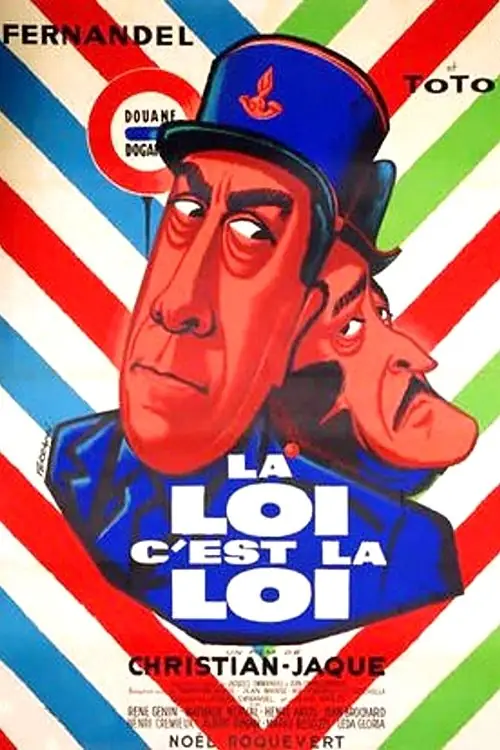
Nestled along an improbable frontier where two nations collide, the fictional hamlet of Assola becomes a…

Water has long served as cinema's most mutable metaphor — a medium of transformation, disappearance, and the…

Operating in a register of unbridled creative excess, this audacious genre hybrid reimagines Shakespearean…