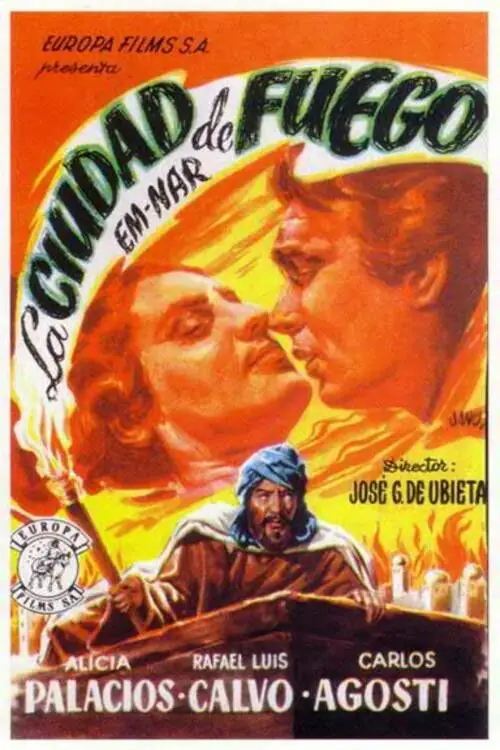
Em Nar, la ciudad de fuego
Cinema that emerges from regions underrepresented in global distribution networks carries a particular burden…
137 min
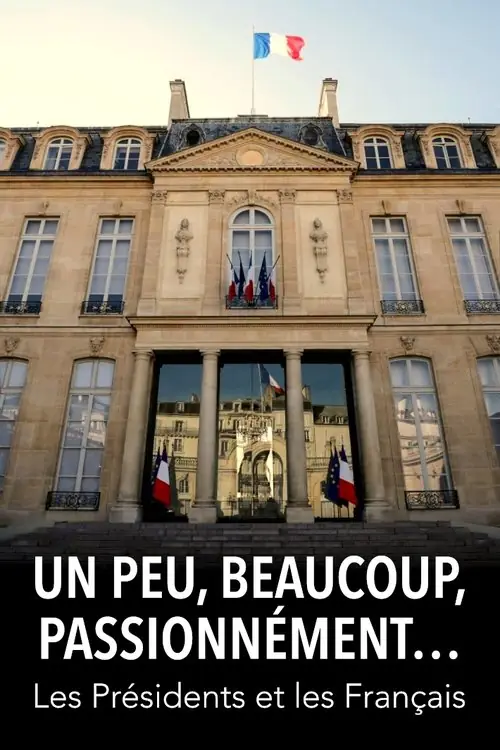
This French documentary undertakes an ambitious excavation of the relationship between the French presidency and the citizenry, mapping the emotional and symbolic terrain where political authority meets public sentiment. Across the history of the Fifth Republic, the ways in which presidents have courted, charmed, disappointed, and occasionally enraged the French people reveal a national character that demands both grandeur and intimacy from its leaders—a paradoxical expectation that has shaped every administration from de Gaulle onward. The film's title, with its graduated intensities of affection, captures this spectrum of engagement, suggesting that the bond between ruler and ruled oscillates between cautious tolerance and passionate attachment. The documentary draws on archival footage that captures unguarded moments of presidential performance—the practiced warmth of campaign appearances, the rigid dignity of state ceremonies, the occasional cracks in composure that reveal the human strain behind the institutional mask. These images are contextualized through commentary that resists simplistic judgment, instead tracing how each president negotiated the particular expectations of their era. De Gaulle's mythic authority, Mitterrand's literary cunning, Chirac's populist bonhomie, Sarkozy's blurring of personal and presidential spectacle—each represents a different strategy for managing the impossible demands of an office that requires its occupant to embody both the grandeur of the state and the accessibility of a fellow citizen. The film's most penetrating insight concerns the role of emotion in French political life, a dimension often overlooked in analyses that privilege ideology and policy. The French public's relationship with its presidents is revealed as deeply personal, colored by feelings that have less to do with legislative accomplishment than with whether a leader seems to understand, to respect, and to mirror the national self-image. Presidential missteps are experienced not merely as political errors but as personal betrayals. The documentary's structure, moving chronologically through administrations while threading thematic connections, builds a cumulative portrait of a democracy perpetually negotiating the tension between the leader it elects and the leader it desires—a gap that no amount of political skill can fully close.
This French documentary undertakes an ambitious excavation of the relationship between the French presidency and the citizenry, mapping the emotional and symbolic terrain where political authority meets public sentiment. Across the history of the Fifth Republic, the ways in which presidents have courted, charmed, disappointed, and occasionally enraged the French people reveal a national character that demands both grandeur and intimacy from its leaders—a paradoxical expectation that has shaped every administration from de Gaulle onward. The film's title, with its graduated intensities of affection, captures this spectrum of engagement, suggesting that the bond between ruler and ruled oscillates between cautious tolerance and passionate attachment. The documentary draws on archival footage that captures unguarded moments of presidential performance—the practiced warmth of campaign appearances, the rigid dignity of state ceremonies, the occasional cracks in composure that reveal the human strain behind the institutional mask. These images are contextualized through commentary that resists simplistic judgment, instead tracing how each president negotiated the particular expectations of their era. De Gaulle's mythic authority, Mitterrand's literary cunning, Chirac's populist bonhomie, Sarkozy's blurring of personal and presidential spectacle—each represents a different strategy for managing the impossible demands of an office that requires its occupant to embody both the grandeur of the state and the accessibility of a fellow citizen. The film's most penetrating insight concerns the role of emotion in French political life, a dimension often overlooked in analyses that privilege ideology and policy. The French public's relationship with its presidents is revealed as deeply personal, colored by feelings that have less to do with legislative accomplishment than with whether a leader seems to understand, to respect, and to mirror the national self-image. Presidential missteps are experienced not merely as political errors but as personal betrayals. The documentary's structure, moving chronologically through administrations while threading thematic connections, builds a cumulative portrait of a democracy perpetually negotiating the tension between the leader it elects and the leader it desires—a gap that no amount of political skill can fully close.
— Curator's log, recorded 1958±25 BCE
Cinema that emerges from regions underrepresented in global distribution networks carries a particular burden…
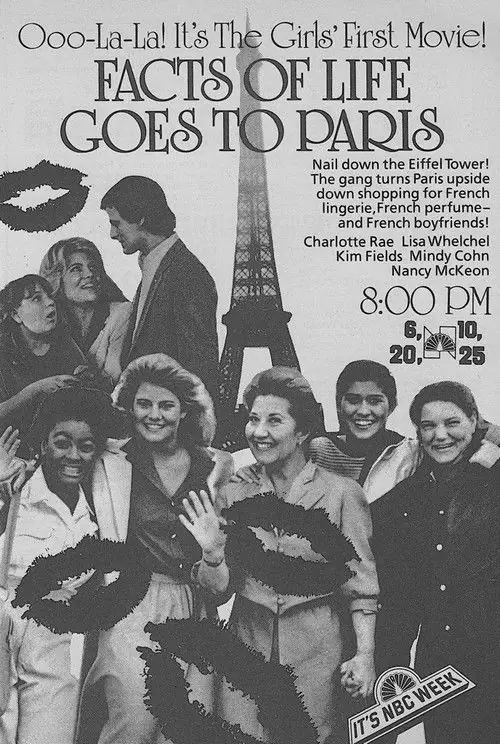
Television movies derived from beloved series occupy an awkward cultural position — too often they function…
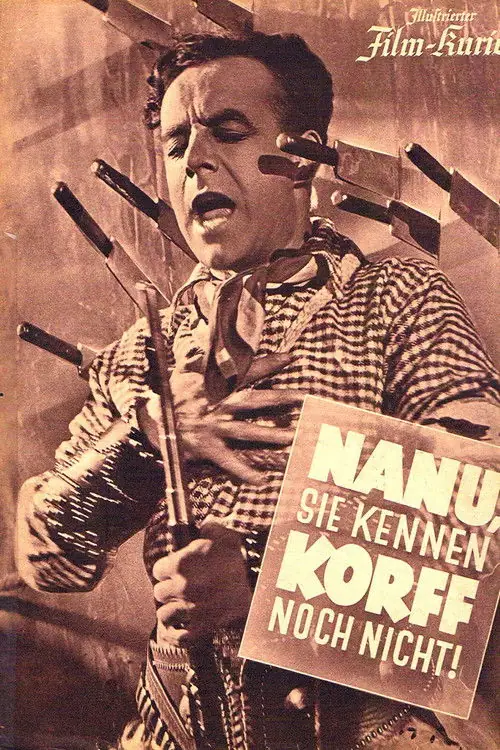
A delightful curio of postwar German comedy, this film emerges from the tradition of genial satire that…
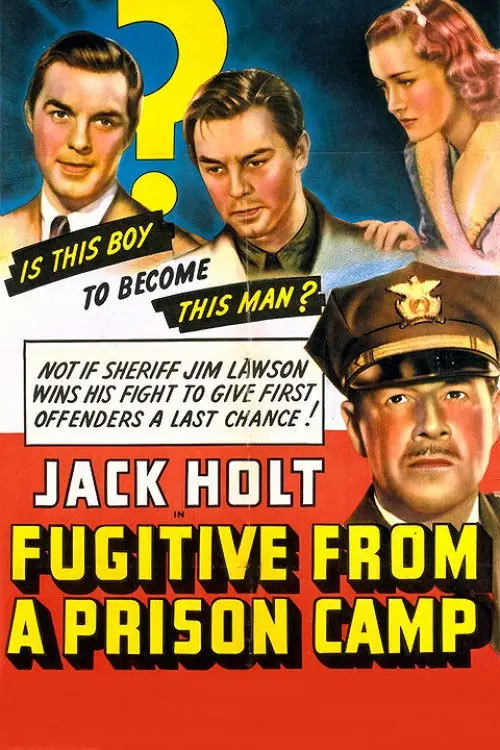
A fascinating artifact of mid-century penal reform discourse rendered as popular entertainment, this film…