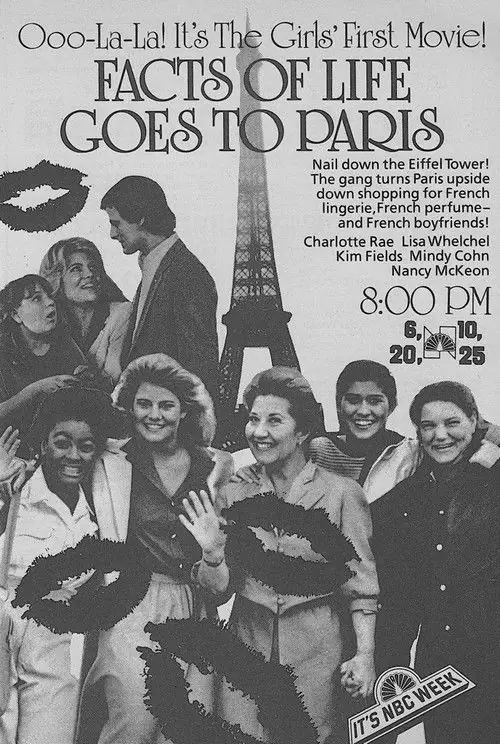
The Facts of Life Goes to Paris
Television movies derived from beloved series occupy an awkward cultural position — too often they function…
157 min
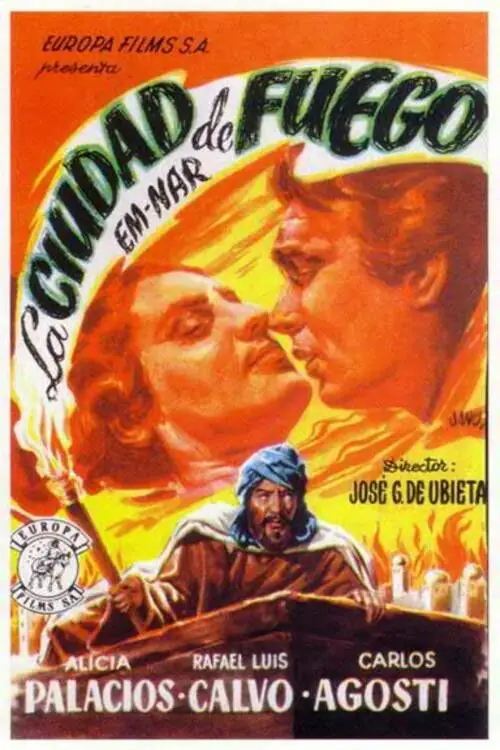
Cinema that emerges from regions underrepresented in global distribution networks carries a particular burden of cultural translation, and this production set in the titular City of Fire navigates that terrain with a specificity that resists easy categorization. The narrative unfolds in a locale where elemental forces — both natural and social — shape daily existence in ways that Western audiences may find disorienting, and the film's greatest achievement is its refusal to smooth those rough edges into more digestible forms. Instead, it insists on its own terms of engagement, demanding that viewers meet it where it lives rather than where convenient assumptions might place it. The city itself functions as more than backdrop; it is the film's central organizing principle, a place where the literal and figurative meanings of fire — destruction, purification, transformation, sustenance — permeate every interaction and every image. The architecture of the streets, the quality of light at different hours, the rhythm of commerce and conflict that defines the community's pulse — all of these are rendered with an observational precision that suggests a filmmaker deeply embedded in the world being depicted. There is no exoticizing gaze, no tourist's fascination with the picturesque; instead, there is the accumulated authority of lived experience translated into visual language. The characters who populate this landscape navigate circumstances shaped by economic precarity, familial obligation, and the eternal human tension between individual aspiration and communal responsibility. Their stories interweave in patterns that resist neat resolution, reflecting the messy, contradictory nature of actual social existence rather than the tidy arcs of conventional narrative. Dialogue scenes are staged with a naturalism that privileges awkward silences and overlapping voices over polished exchanges, creating an atmosphere of authentic human interaction that draws the viewer into the texture of daily life. The film's visual approach favors long takes and carefully composed frames that allow events to unfold within the image rather than being assembled through editorial manipulation. This methodological patience rewards attentive viewing, as significant details accumulate at the margins of the frame and thematic resonances emerge gradually across the narrative's duration. The result is a work that operates in a register closer to documentary observation than dramatic construction, offering a window into a world that Western cinema has rarely depicted with such unguarded immediacy.
Cinema that emerges from regions underrepresented in global distribution networks carries a particular burden of cultural translation, and this production set in the titular City of Fire navigates that terrain with a specificity that resists easy categorization. The narrative unfolds in a locale where elemental forces — both natural and social — shape daily existence in ways that Western audiences may find disorienting, and the film's greatest achievement is its refusal to smooth those rough edges into more digestible forms. Instead, it insists on its own terms of engagement, demanding that viewers meet it where it lives rather than where convenient assumptions might place it. The city itself functions as more than backdrop; it is the film's central organizing principle, a place where the literal and figurative meanings of fire — destruction, purification, transformation, sustenance — permeate every interaction and every image. The architecture of the streets, the quality of light at different hours, the rhythm of commerce and conflict that defines the community's pulse — all of these are rendered with an observational precision that suggests a filmmaker deeply embedded in the world being depicted. There is no exoticizing gaze, no tourist's fascination with the picturesque; instead, there is the accumulated authority of lived experience translated into visual language. The characters who populate this landscape navigate circumstances shaped by economic precarity, familial obligation, and the eternal human tension between individual aspiration and communal responsibility. Their stories interweave in patterns that resist neat resolution, reflecting the messy, contradictory nature of actual social existence rather than the tidy arcs of conventional narrative. Dialogue scenes are staged with a naturalism that privileges awkward silences and overlapping voices over polished exchanges, creating an atmosphere of authentic human interaction that draws the viewer into the texture of daily life. The film's visual approach favors long takes and carefully composed frames that allow events to unfold within the image rather than being assembled through editorial manipulation. This methodological patience rewards attentive viewing, as significant details accumulate at the margins of the frame and thematic resonances emerge gradually across the narrative's duration. The result is a work that operates in a register closer to documentary observation than dramatic construction, offering a window into a world that Western cinema has rarely depicted with such unguarded immediacy.
— Curator's log, recorded 1965±25 BCE
Television movies derived from beloved series occupy an awkward cultural position — too often they function…
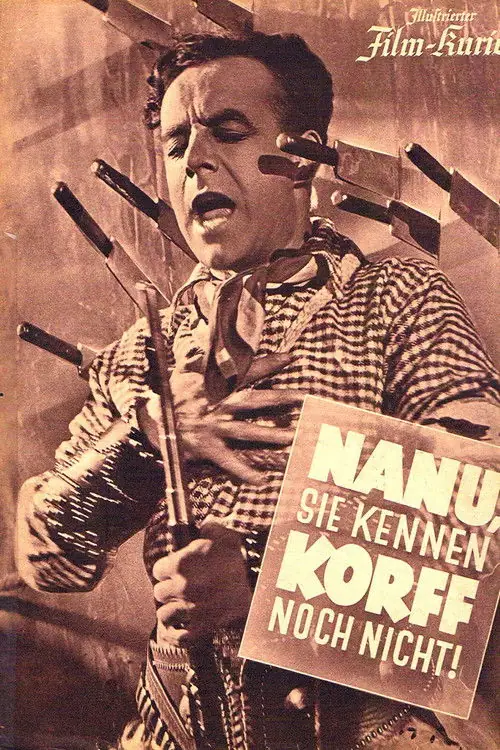
A delightful curio of postwar German comedy, this film emerges from the tradition of genial satire that…
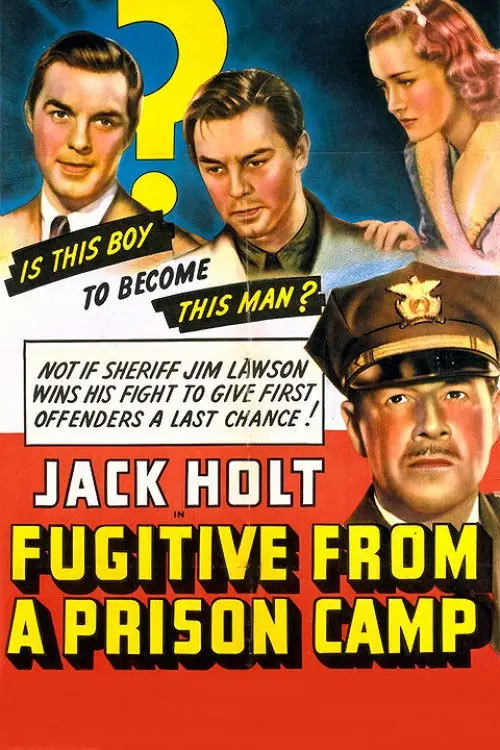
A fascinating artifact of mid-century penal reform discourse rendered as popular entertainment, this film…

Smoldering beneath the rigid formalities of military life in 1969 South Korea, this film ignites a forbidden…