
Em Nar, la ciudad de fuego
Cinema that emerges from regions underrepresented in global distribution networks carries a particular burden…
137 min
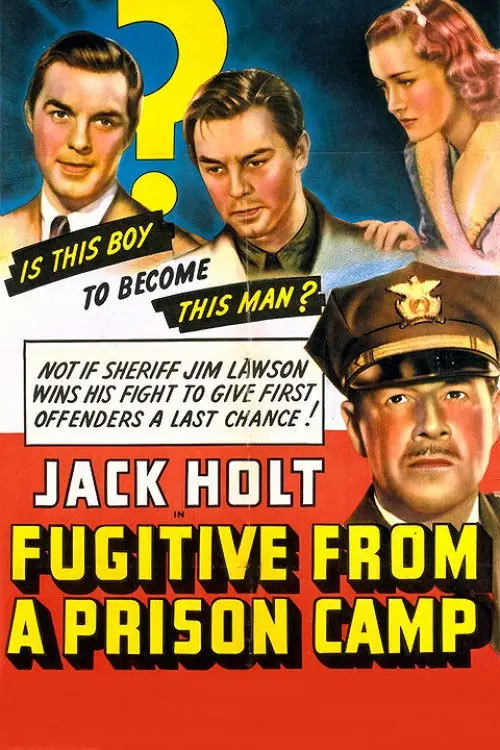
A fascinating artifact of mid-century penal reform discourse rendered as popular entertainment, this film occupies a distinctive niche within the prison drama genre by embedding its narrative of incarceration within an explicitly reformist ideological framework. Sheriff Holt represents a progressive vision of criminal justice that was still finding its footing in the American consciousness—the conviction that convicts, given adequate conditions and meaningful labor, might be rehabilitated and reintegrated into society rather than merely warehoused until their sentences expired. His experimental program, which relocates inmates to a clean environment and assigns them the constructive task of building a road, functions as both practical initiative and symbolic gesture: the road itself becoming a metaphor for the path from criminality to citizenship. Yet the film is too honest to function as mere propaganda for its reformist thesis. Almost immediately, the criminal population begins to exploit the improved conditions for their own illicit purposes, engaging in the kind of behind-the-scenes scheming that suggests human behavior may not be as readily reshaped by environmental improvement as the reformers would wish. This tension between idealism and realism provides the picture with its dramatic spine, preventing it from collapsing into either naive optimism or reactionary cynicism. The arrival of an innocent man—wrongly convicted and thrust among hardened offenders—intensifies this tension, as he becomes a kind of moral barometer by which the audience can measure the program's actual effects on the human beings within it. The direction favors a matter-of-fact visual approach that emphasizes the physical realities of the camp—the labor of road-building, the spartan quarters, the open sky that simultaneously represents freedom and mockery. This unadorned aesthetic serves the film's quasi-documentary ambitions, grounding its social commentary in tangible detail rather than rhetorical abstraction. The performances, particularly from the actors playing the inmates, convey the shrewd adaptability of men who have learned to read institutional environments for their exploitable gaps. Ultimately, the film's ambivalence is its most enduring quality. It neither dismisses Sheriff Holt's vision as foolhardy nor endorses it uncritically, instead offering a clear-eyed assessment of the distance between humanitarian intention and human reality—a distance that remains as relevant to debates about criminal justice today as it was when the film first reached theaters.
A fascinating artifact of mid-century penal reform discourse rendered as popular entertainment, this film occupies a distinctive niche within the prison drama genre by embedding its narrative of incarceration within an explicitly reformist ideological framework. Sheriff Holt represents a progressive vision of criminal justice that was still finding its footing in the American consciousness—the conviction that convicts, given adequate conditions and meaningful labor, might be rehabilitated and reintegrated into society rather than merely warehoused until their sentences expired. His experimental program, which relocates inmates to a clean environment and assigns them the constructive task of building a road, functions as both practical initiative and symbolic gesture: the road itself becoming a metaphor for the path from criminality to citizenship. Yet the film is too honest to function as mere propaganda for its reformist thesis. Almost immediately, the criminal population begins to exploit the improved conditions for their own illicit purposes, engaging in the kind of behind-the-scenes scheming that suggests human behavior may not be as readily reshaped by environmental improvement as the reformers would wish. This tension between idealism and realism provides the picture with its dramatic spine, preventing it from collapsing into either naive optimism or reactionary cynicism. The arrival of an innocent man—wrongly convicted and thrust among hardened offenders—intensifies this tension, as he becomes a kind of moral barometer by which the audience can measure the program's actual effects on the human beings within it. The direction favors a matter-of-fact visual approach that emphasizes the physical realities of the camp—the labor of road-building, the spartan quarters, the open sky that simultaneously represents freedom and mockery. This unadorned aesthetic serves the film's quasi-documentary ambitions, grounding its social commentary in tangible detail rather than rhetorical abstraction. The performances, particularly from the actors playing the inmates, convey the shrewd adaptability of men who have learned to read institutional environments for their exploitable gaps. Ultimately, the film's ambivalence is its most enduring quality. It neither dismisses Sheriff Holt's vision as foolhardy nor endorses it uncritically, instead offering a clear-eyed assessment of the distance between humanitarian intention and human reality—a distance that remains as relevant to debates about criminal justice today as it was when the film first reached theaters.
— Curator's log, recorded 1960±25 BCE
Cinema that emerges from regions underrepresented in global distribution networks carries a particular burden…

Television movies derived from beloved series occupy an awkward cultural position — too often they function…
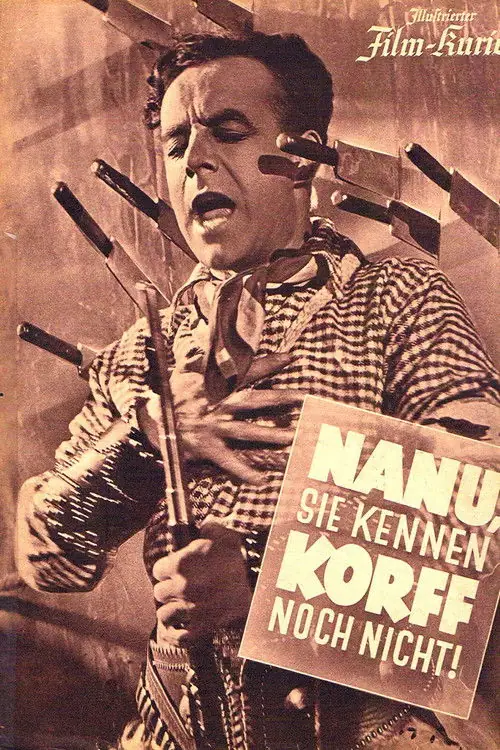
A delightful curio of postwar German comedy, this film emerges from the tradition of genial satire that…

Smoldering beneath the rigid formalities of military life in 1969 South Korea, this film ignites a forbidden…