
Till Human Voices Wake Us
Water has long served as cinema's most mutable metaphor — a medium of transformation, disappearance, and the…
152 min
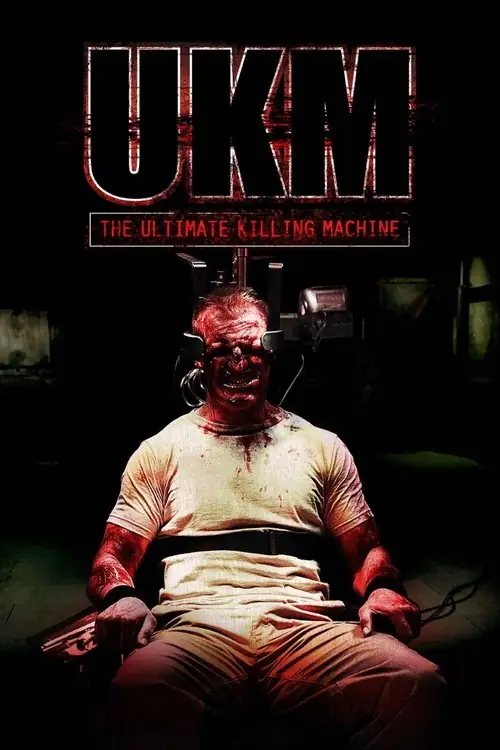
Military science fiction has long served as a vessel for anxieties about the dehumanizing potential of institutional power, and this film wields the genre's familiar iconography — barracks, drill instructors, secret government facilities — to pose uncomfortably timely questions about the boundaries between patriotic duty and medical atrocity. Waylon and Buddy enlist with the naive enthusiasm of young men who imagine military service as an escape from dead-end circumstances, only to discover that the uniform they've donned conceals a program of systematic experimentation aimed at erasing their humanity and reforging them as instruments of lethal efficiency. The premise draws on a rich lineage of paranoid thrillers, from the Cold War anxieties of The Manchurian Candidate to the body-horror implications of RoboCop, while grounding its fantastical elements in the recognizable textures of institutional deceit. The early sequences establish the protagonists' vulnerability with effective economy. Waylon and Buddy are not action heroes but ordinary young men whose limited options have funneled them toward a choice that seems to promise purpose and belonging. The military induction process, rendered in sharply observed detail, already hints at the erosion of individuality that the experimental program will accelerate — the identical haircuts, the standardized clothing, the substitution of serial numbers for names. When the true nature of the program reveals itself, it arrives not as a dramatic twist but as the logical extension of a system that has always regarded its recruits as raw material to be processed. The body horror elements escalate with visceral effectiveness, as the experiments strip away layers of identity — memories, emotions, moral qualms — in pursuit of a combat efficiency indistinguishable from sociopathy. Practical effects work conveys the physical brutality of the procedures with queasy conviction, while the performances chart the agonizing diminishment of consciousness behind the subjects' eyes. The film refuses the cathartic satisfaction of a straightforward rescue or rebellion, instead dwelling in the ambiguous territory between resistance and compliance where the characters spend most of their time. The production design makes resourceful use of institutional architecture — corridors that seem to extend into infinity, fluorescent-lit laboratories that evoke both hospital and abattoir, examination rooms where the clinical and the monstrous coexist. If the film occasionally strains against the limitations of its budget, it compensates with a bleak integrity of vision that refuses to reassure its audience that such violations could never happen here. The ultimate killing machine, it suggests, is not a genetically modified soldier but a system that persuades decent people to surrender their conscience in the name of a greater good defined by those who profit from its pursuit.
Military science fiction has long served as a vessel for anxieties about the dehumanizing potential of institutional power, and this film wields the genre's familiar iconography — barracks, drill instructors, secret government facilities — to pose uncomfortably timely questions about the boundaries between patriotic duty and medical atrocity. Waylon and Buddy enlist with the naive enthusiasm of young men who imagine military service as an escape from dead-end circumstances, only to discover that the uniform they've donned conceals a program of systematic experimentation aimed at erasing their humanity and reforging them as instruments of lethal efficiency. The premise draws on a rich lineage of paranoid thrillers, from the Cold War anxieties of The Manchurian Candidate to the body-horror implications of RoboCop, while grounding its fantastical elements in the recognizable textures of institutional deceit. The early sequences establish the protagonists' vulnerability with effective economy. Waylon and Buddy are not action heroes but ordinary young men whose limited options have funneled them toward a choice that seems to promise purpose and belonging. The military induction process, rendered in sharply observed detail, already hints at the erosion of individuality that the experimental program will accelerate — the identical haircuts, the standardized clothing, the substitution of serial numbers for names. When the true nature of the program reveals itself, it arrives not as a dramatic twist but as the logical extension of a system that has always regarded its recruits as raw material to be processed. The body horror elements escalate with visceral effectiveness, as the experiments strip away layers of identity — memories, emotions, moral qualms — in pursuit of a combat efficiency indistinguishable from sociopathy. Practical effects work conveys the physical brutality of the procedures with queasy conviction, while the performances chart the agonizing diminishment of consciousness behind the subjects' eyes. The film refuses the cathartic satisfaction of a straightforward rescue or rebellion, instead dwelling in the ambiguous territory between resistance and compliance where the characters spend most of their time. The production design makes resourceful use of institutional architecture — corridors that seem to extend into infinity, fluorescent-lit laboratories that evoke both hospital and abattoir, examination rooms where the clinical and the monstrous coexist. If the film occasionally strains against the limitations of its budget, it compensates with a bleak integrity of vision that refuses to reassure its audience that such violations could never happen here. The ultimate killing machine, it suggests, is not a genetically modified soldier but a system that persuades decent people to surrender their conscience in the name of a greater good defined by those who profit from its pursuit.
— Curator's log, recorded 1955±25 BCE
Water has long served as cinema's most mutable metaphor — a medium of transformation, disappearance, and the…

Operating in a register of unbridled creative excess, this audacious genre hybrid reimagines Shakespearean…

Constantin Brâncuși stands as one of the towering figures of modern sculpture, an artist who stripped form…

The American frontier of the 1850s serves as the punishing backdrop for this morally intricate western-horror…