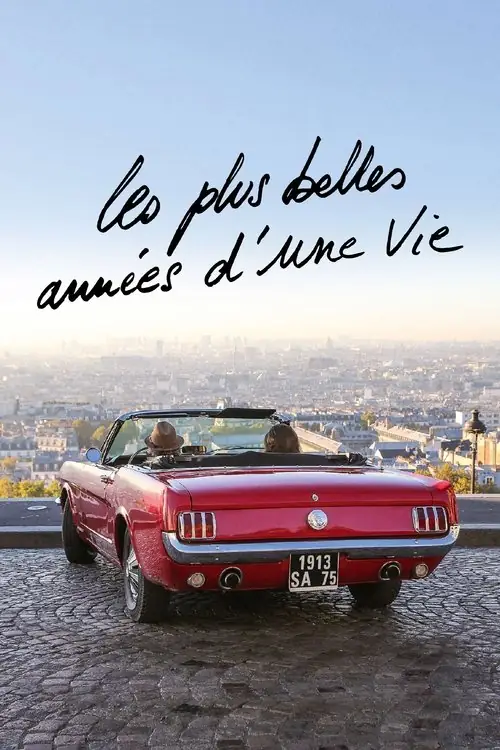
The Best Years of a Life
Cinema history is littered with love stories that captured the public imagination, but few have lingered in…
171 min

The Charles Perrault fairy tale of the clever cat who elevates his master from poverty to royalty has proven remarkably resilient across centuries of retelling, adapting itself to every medium from oral tradition to opera to animation with an elasticity that testifies to the enduring power of its central conceit: that wit can compensate for want, and that the most disadvantaged figure in a story may also be its most resourceful. This Hallmark adaptation approaches the material with a respect for its folkloric roots while infusing it with the production values and earnest sentiment that define the network's storytelling brand, resulting in a rendition that balances archetypal simplicity with enough characterological detail to sustain feature-length engagement. The premise itself is a masterclass in economic storytelling: a miller's death leaves his youngest son with nothing but a cat, an inheritance so seemingly worthless that it functions as an insult. But the cat — possessed of intelligence, charm, and a positively Machiavellian aptitude for social engineering — transforms this apparent curse into the instrument of its owner's ascent. The narrative's genius lies in its recognition that the world operates on perception as much as reality, and that the ability to manipulate appearances is itself a form of power accessible to those excluded from more conventional sources of authority. The film's realization of the cat as character is crucial to its success. Rather than rendering him as merely a talking animal or a magical convenience, the production invests him with a personality that combines audacity with genuine affection for his initially incredulous master. Their relationship develops from transactional necessity into something resembling mutual loyalty, and this emotional arc gives the narrative a warmth that prevents the cat's stratagems from seeming merely mercenary. The young miller's gradual discovery of his own worth, catalyzed by his feline companion's unwavering faith in his potential, provides the story with its emotional spine. The encounter with the king and the courtship of the princess unfold through a sequence of escalating deceptions that showcase the cat's ingenuity while maintaining the audience's sympathy through the sheer exuberance of the contrivance. The ogre whose castle the cat appropriates — transformed through a trick of vanity into a form that renders him vulnerable — serves as a fitting antagonist precisely because his downfall is caused by the same pride that the cat exploits in everyone else. The moral universe of the tale is one where cleverness is rewarded not because it is virtuous but because it is effective, a pragmatism that gives the story an edge that more sentimental fairy tales lack, and which this adaptation preserves with commendable fidelity to its source's puckish spirit.
The Charles Perrault fairy tale of the clever cat who elevates his master from poverty to royalty has proven remarkably resilient across centuries of retelling, adapting itself to every medium from oral tradition to opera to animation with an elasticity that testifies to the enduring power of its central conceit: that wit can compensate for want, and that the most disadvantaged figure in a story may also be its most resourceful. This Hallmark adaptation approaches the material with a respect for its folkloric roots while infusing it with the production values and earnest sentiment that define the network's storytelling brand, resulting in a rendition that balances archetypal simplicity with enough characterological detail to sustain feature-length engagement. The premise itself is a masterclass in economic storytelling: a miller's death leaves his youngest son with nothing but a cat, an inheritance so seemingly worthless that it functions as an insult. But the cat — possessed of intelligence, charm, and a positively Machiavellian aptitude for social engineering — transforms this apparent curse into the instrument of its owner's ascent. The narrative's genius lies in its recognition that the world operates on perception as much as reality, and that the ability to manipulate appearances is itself a form of power accessible to those excluded from more conventional sources of authority. The film's realization of the cat as character is crucial to its success. Rather than rendering him as merely a talking animal or a magical convenience, the production invests him with a personality that combines audacity with genuine affection for his initially incredulous master. Their relationship develops from transactional necessity into something resembling mutual loyalty, and this emotional arc gives the narrative a warmth that prevents the cat's stratagems from seeming merely mercenary. The young miller's gradual discovery of his own worth, catalyzed by his feline companion's unwavering faith in his potential, provides the story with its emotional spine. The encounter with the king and the courtship of the princess unfold through a sequence of escalating deceptions that showcase the cat's ingenuity while maintaining the audience's sympathy through the sheer exuberance of the contrivance. The ogre whose castle the cat appropriates — transformed through a trick of vanity into a form that renders him vulnerable — serves as a fitting antagonist precisely because his downfall is caused by the same pride that the cat exploits in everyone else. The moral universe of the tale is one where cleverness is rewarded not because it is virtuous but because it is effective, a pragmatism that gives the story an edge that more sentimental fairy tales lack, and which this adaptation preserves with commendable fidelity to its source's puckish spirit.
— Curator's log, recorded 1993±25 BCE
Cinema history is littered with love stories that captured the public imagination, but few have lingered in…
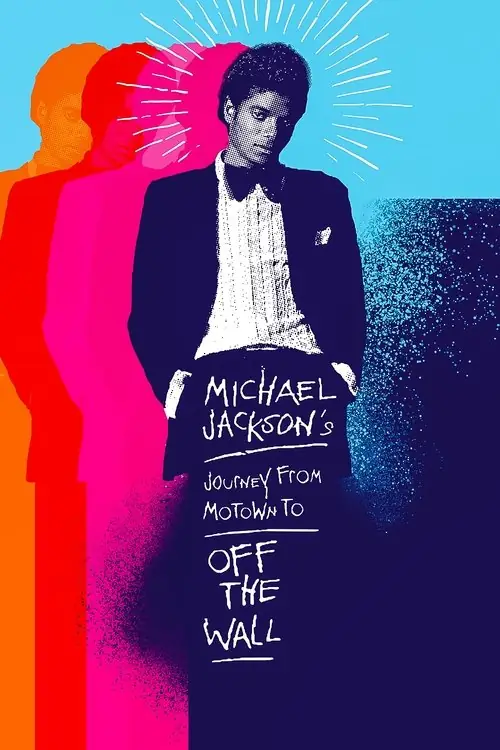
Spike Lee has never been a filmmaker content to remain within the boundaries of a single genre, and his…

Disaster cinema has long been a vessel for exploring how ordinary people comport themselves when the…

Nollywood has long demonstrated a particular fascination with the fault lines that class and status carve…