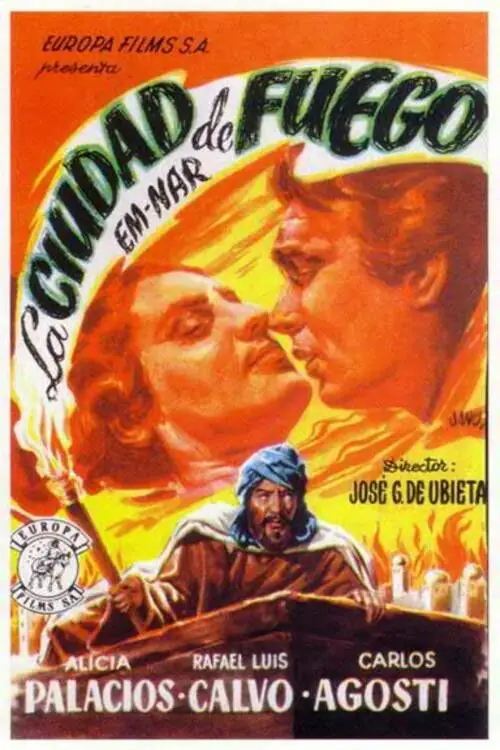
Em Nar, la ciudad de fuego
Cinema that emerges from regions underrepresented in global distribution networks carries a particular burden…
137 min
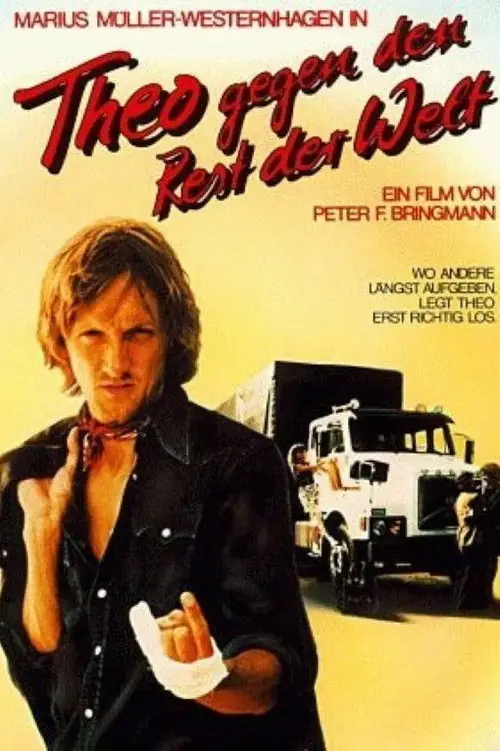
Theo Against the Rest of the World is a road movie born not from wanderlust but from desperation — a chase narrative where the pursued is not running toward anything so much as he is being relentlessly pushed by forces beyond his control. Theo's troubles begin with the theft of his truck, a vehicle that represents not merely transportation but his livelihood, his tenuous grip on economic stability, and perhaps the last tangible proof that his efforts amount to something. When credit collectors enter the equation, the pursuit acquires a second front, and suddenly Theo is dodging threats from every direction as he scrambles across the European continent. The film's great structural gambit is the way it transforms financial precarity into kinetic cinema. Debt is inherently abstract — numbers on a ledger, obligations encoded in contracts — but here it becomes physical, embodied in the figures who track Theo with unyielding tenacity. The chase sequences exploit the varied geographies of Europe with genuine inventiveness, each new border crossing and landscape shift altering the terms of the pursuit. There is something both grim and galvanizing about watching a man whose only asset has been stolen refuse to surrender the remainder of his dignity. Performance is crucial to the film's effect, and the actor portraying Theo must balance exhaustion with stubborn resolve, conveying the physical toll of constant movement without losing the audience's investment in his survival. The supporting cast — the thieves, the collectors, the strangers who aid or obstruct — populates the journey with faces that feel drawn from lived experience rather than central casting. Dialogue tends toward the functional and terse, appropriate to a protagonist who rarely has the luxury of reflection. If the film has a deeper resonance beyond its entertainment value, it lies in its portrait of a Europe where freedom of movement exists alongside economic entrapment, where a man can drive across nations while remaining, in essential ways, cornered. Theo's ordeal is particular, but the circumstances that produce it are dismayingly common.
Theo Against the Rest of the World is a road movie born not from wanderlust but from desperation — a chase narrative where the pursued is not running toward anything so much as he is being relentlessly pushed by forces beyond his control. Theo's troubles begin with the theft of his truck, a vehicle that represents not merely transportation but his livelihood, his tenuous grip on economic stability, and perhaps the last tangible proof that his efforts amount to something. When credit collectors enter the equation, the pursuit acquires a second front, and suddenly Theo is dodging threats from every direction as he scrambles across the European continent. The film's great structural gambit is the way it transforms financial precarity into kinetic cinema. Debt is inherently abstract — numbers on a ledger, obligations encoded in contracts — but here it becomes physical, embodied in the figures who track Theo with unyielding tenacity. The chase sequences exploit the varied geographies of Europe with genuine inventiveness, each new border crossing and landscape shift altering the terms of the pursuit. There is something both grim and galvanizing about watching a man whose only asset has been stolen refuse to surrender the remainder of his dignity. Performance is crucial to the film's effect, and the actor portraying Theo must balance exhaustion with stubborn resolve, conveying the physical toll of constant movement without losing the audience's investment in his survival. The supporting cast — the thieves, the collectors, the strangers who aid or obstruct — populates the journey with faces that feel drawn from lived experience rather than central casting. Dialogue tends toward the functional and terse, appropriate to a protagonist who rarely has the luxury of reflection. If the film has a deeper resonance beyond its entertainment value, it lies in its portrait of a Europe where freedom of movement exists alongside economic entrapment, where a man can drive across nations while remaining, in essential ways, cornered. Theo's ordeal is particular, but the circumstances that produce it are dismayingly common.
— Curator's log, recorded 2004±25 BCE
Cinema that emerges from regions underrepresented in global distribution networks carries a particular burden…

Television movies derived from beloved series occupy an awkward cultural position — too often they function…
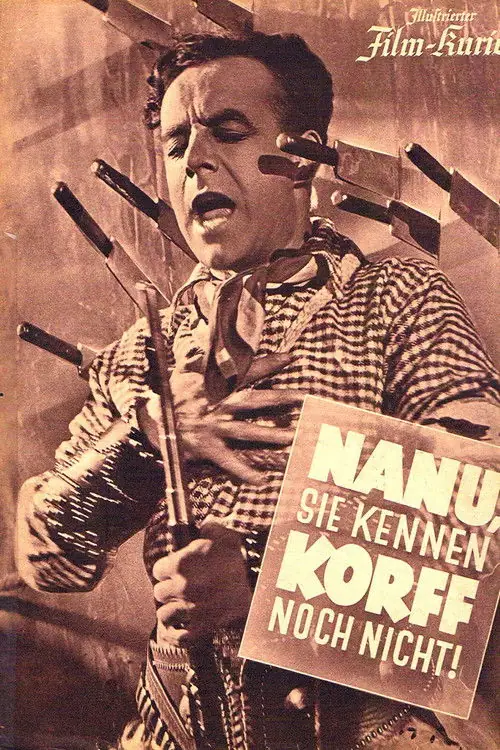
A delightful curio of postwar German comedy, this film emerges from the tradition of genial satire that…
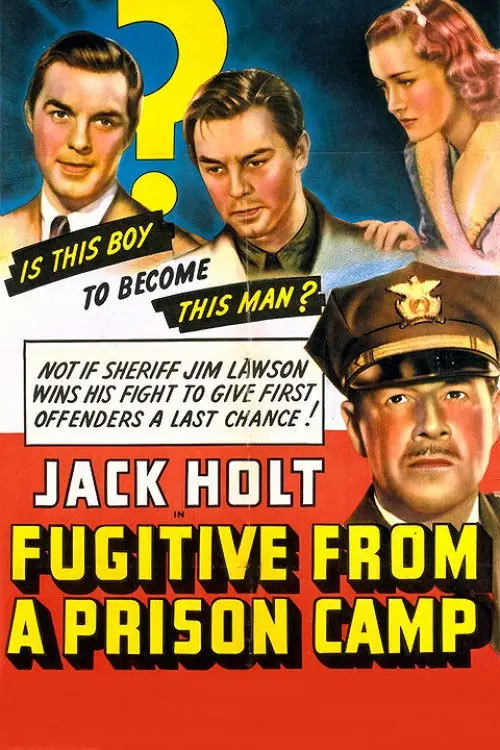
A fascinating artifact of mid-century penal reform discourse rendered as popular entertainment, this film…