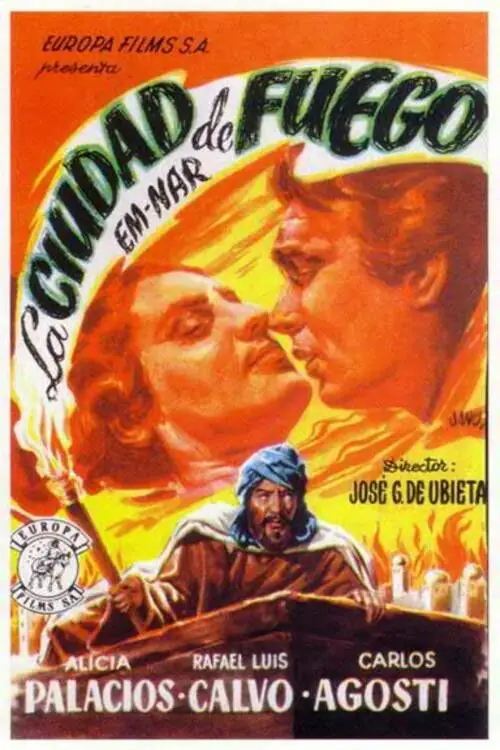
Em Nar, la ciudad de fuego
Cinema that emerges from regions underrepresented in global distribution networks carries a particular burden…
137 min
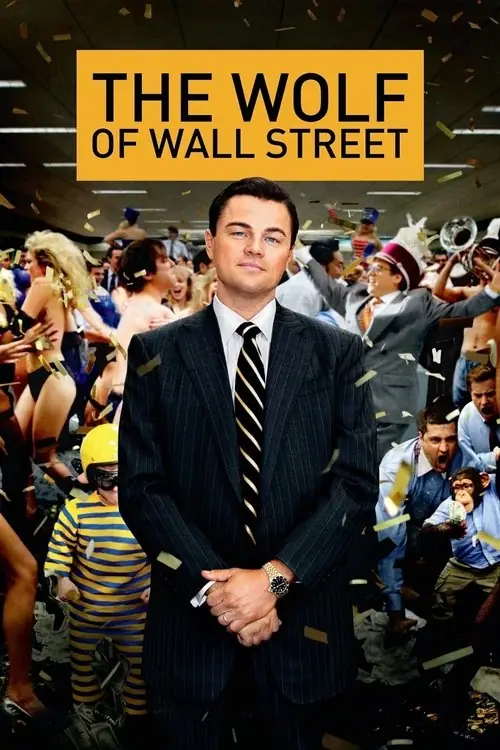
The Wolf of Wall Street is a delirious, intoxicating dive into the morally bankrupt world of high finance, chronicling the meteoric rise and spectacular fall of Jordan Belfort, a stockbroker whose appetite for wealth, excess, and transgression knew no bounds. Adapted from Belfort's own autobiography, the film presents his story not as a cautionary tale rendered in somber moralizing but as a carnival of depravity — a three-hour bacchanal of drugs, debauchery, and financial fraud that dares the audience to look away while making it virtually impossible to do so. The result is one of the most provocative and divisive works in Martin Scorsese's monumental career. The film's aesthetic strategy is inseparable from its ethical provocation. Scorsese and his longtime editor Thelma Schoonmaker deploy a breakneck pace — voice-over narration, whip-pans, freeze-frames, sustained tracking shots through office floors buzzing with telephone-sales frenzy — that replicates the adrenaline addiction of Belfort's world from the inside. The viewer is placed not above the spectacle but within it, subjected to the same sensory overload that makes critical distance so difficult to maintain. This is not an oversight but a choice: the film argues that the allure of corrupt wealth is not an abstract temptation but a visceral experience, and it refuses to let its audience off the hook by providing the comfort of easy judgment. Leonardo DiCaprio's performance as Belfort is a fearless act of sustained physical and vocal commitment, channeling the character's charisma and monstrousness through a body that seems to vibrate with appetite. The infamous Quaalude sequence — a masterpiece of physical comedy in which Belfort and his associate Donnie, rendered virtually paraplegic by drugs, attempt to reach a phone — is alone worth the price of admission. Jonah Hill as Donnie provides the perfect counterweight, his character's stupidity functioning as both comic relief and moral indictment. The film's critics accused it of glorifying the very behavior it purported to condemn, and this charge is not without merit — but it also misses the point. The Wolf of Wall Street is not interested in adjudicating Belfort; it is interested in exhibiting him, in showing what unchecked capitalism looks like when stripped of its institutional euphemisms and allowed to roar at full volume. The film's final shot, of a rapt audience hanging on Belfort's every word, implicates us all.
The Wolf of Wall Street is a delirious, intoxicating dive into the morally bankrupt world of high finance, chronicling the meteoric rise and spectacular fall of Jordan Belfort, a stockbroker whose appetite for wealth, excess, and transgression knew no bounds. Adapted from Belfort's own autobiography, the film presents his story not as a cautionary tale rendered in somber moralizing but as a carnival of depravity — a three-hour bacchanal of drugs, debauchery, and financial fraud that dares the audience to look away while making it virtually impossible to do so. The result is one of the most provocative and divisive works in Martin Scorsese's monumental career. The film's aesthetic strategy is inseparable from its ethical provocation. Scorsese and his longtime editor Thelma Schoonmaker deploy a breakneck pace — voice-over narration, whip-pans, freeze-frames, sustained tracking shots through office floors buzzing with telephone-sales frenzy — that replicates the adrenaline addiction of Belfort's world from the inside. The viewer is placed not above the spectacle but within it, subjected to the same sensory overload that makes critical distance so difficult to maintain. This is not an oversight but a choice: the film argues that the allure of corrupt wealth is not an abstract temptation but a visceral experience, and it refuses to let its audience off the hook by providing the comfort of easy judgment. Leonardo DiCaprio's performance as Belfort is a fearless act of sustained physical and vocal commitment, channeling the character's charisma and monstrousness through a body that seems to vibrate with appetite. The infamous Quaalude sequence — a masterpiece of physical comedy in which Belfort and his associate Donnie, rendered virtually paraplegic by drugs, attempt to reach a phone — is alone worth the price of admission. Jonah Hill as Donnie provides the perfect counterweight, his character's stupidity functioning as both comic relief and moral indictment. The film's critics accused it of glorifying the very behavior it purported to condemn, and this charge is not without merit — but it also misses the point. The Wolf of Wall Street is not interested in adjudicating Belfort; it is interested in exhibiting him, in showing what unchecked capitalism looks like when stripped of its institutional euphemisms and allowed to roar at full volume. The film's final shot, of a rapt audience hanging on Belfort's every word, implicates us all.
— Curator's log, recorded 1944±25 BCE
Cinema that emerges from regions underrepresented in global distribution networks carries a particular burden…
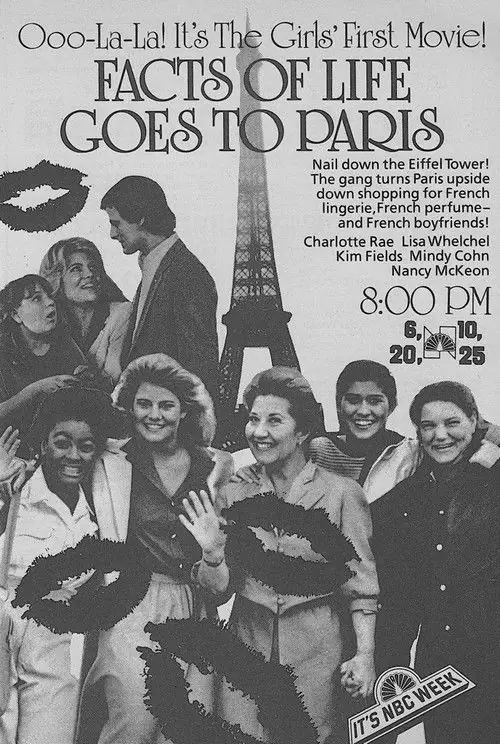
Television movies derived from beloved series occupy an awkward cultural position — too often they function…
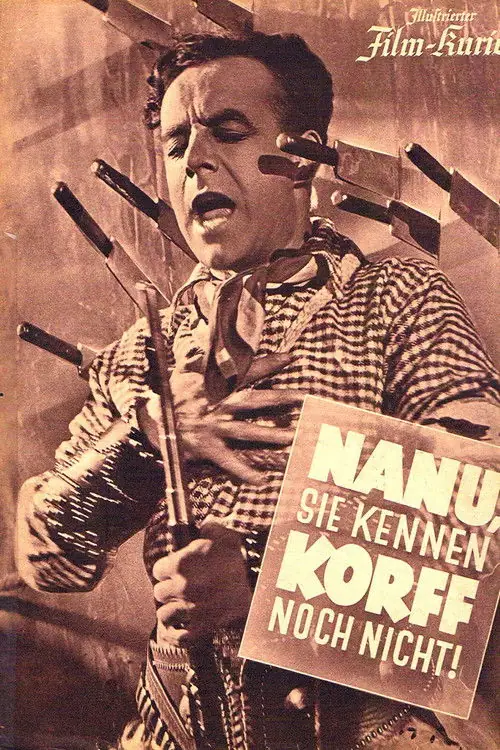
A delightful curio of postwar German comedy, this film emerges from the tradition of genial satire that…
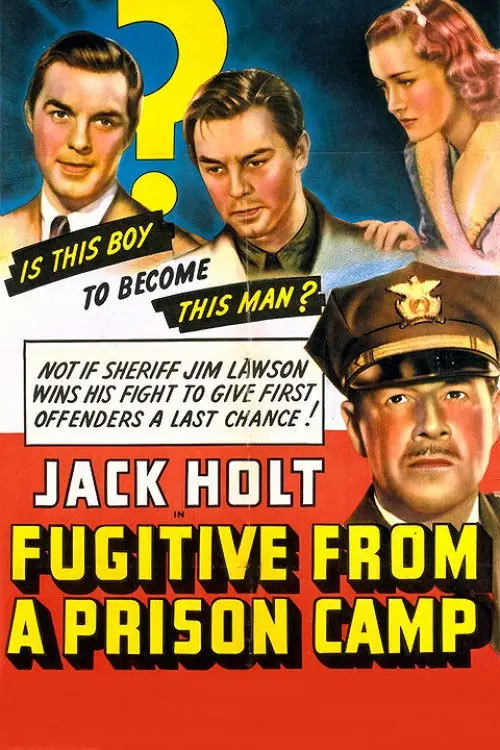
A fascinating artifact of mid-century penal reform discourse rendered as popular entertainment, this film…