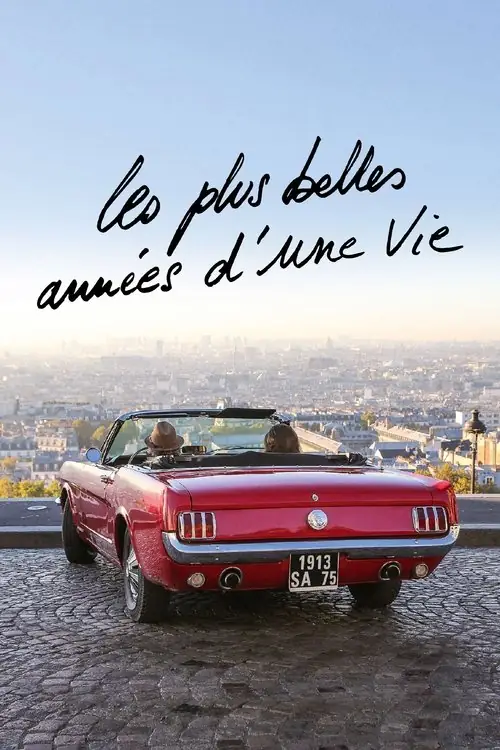
The Best Years of a Life
Cinema history is littered with love stories that captured the public imagination, but few have lingered in…
171 min
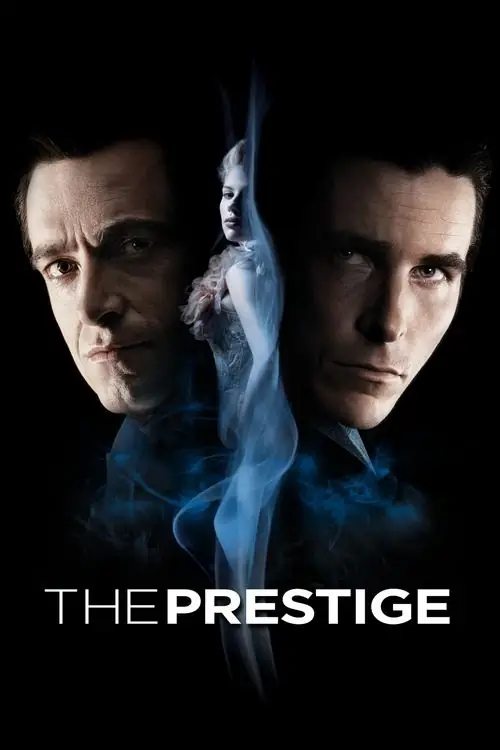
A labyrinthine puzzle box of a film that conceals its deepest truths behind layer upon layer of misdirection, this is cinema as sleight of hand—a work that practices the very art its characters profess, deceiving its audience with the same meticulous craft that its magicians deploy upon their theatrical marks. The narrative orbits the ferocious, all-consuming rivalry between two illusionists in Victorian London, whose mutual obsession with professional supremacy drives them into an escalating arms race of trickery, sacrifice, and moral compromise from which no clean exit exists. Each man's quest to outperform the other becomes indistinguishable from a quest to destroy the other, until the distinction between professional ambition and personal annihilation collapses entirely. The film's structure mirrors its thematic preoccupation with concealment and revelation, employing a non-linear chronology that withholds crucial information until the precise moment of maximum impact. This is not mere narrative gamesmanship but a formal embodiment of the magician's craft: the audience, like the marks within the story, is perpetually looking in the wrong direction, attention directed toward the flourish while the method operates unseen. The screenplay demands—and rewards—active viewing, planting clues with a generosity that is nonetheless invisible until hindsight renders them glaring, at which point the viewer realizes they have been complicit in their own deception. The performances are extraordinary in their calibrated intensity, each actor charting a distinct trajectory of obsession that never tips into mere madness. One magician's pursuit is intellectual and methodical, rooted in the craftsman's desire to perfect a technique; the other's is intuitive and reckless, driven by a performer's need for audience adoration that can never be sufficiently satisfied. Both are, in their different ways, addicts—their addiction simply happens to be the applause and astonishment of strangers, a craving that proves as destructive as any chemical dependency. The supporting cast, including a visionary inventor whose creations blur the line between science and sorcery, populates the margins with figures whose own agendas further complicate the central duel. The production design recreates the gaslit grandeur of Victorian theatrical culture with a tactile richness that makes the era's fascination with the supernatural feel like a logical response to a world where electricity was still a novelty and the boundaries between science and magic remained genuinely ambiguous. The film's final twist does not merely surprise—it reframes everything that has come before, revealing that the real prestige was never the trick itself but the sacrifice required to make it convincing, a cost measured not in money or reputation but in the irreversible coin of one's own humanity.
A labyrinthine puzzle box of a film that conceals its deepest truths behind layer upon layer of misdirection, this is cinema as sleight of hand—a work that practices the very art its characters profess, deceiving its audience with the same meticulous craft that its magicians deploy upon their theatrical marks. The narrative orbits the ferocious, all-consuming rivalry between two illusionists in Victorian London, whose mutual obsession with professional supremacy drives them into an escalating arms race of trickery, sacrifice, and moral compromise from which no clean exit exists. Each man's quest to outperform the other becomes indistinguishable from a quest to destroy the other, until the distinction between professional ambition and personal annihilation collapses entirely. The film's structure mirrors its thematic preoccupation with concealment and revelation, employing a non-linear chronology that withholds crucial information until the precise moment of maximum impact. This is not mere narrative gamesmanship but a formal embodiment of the magician's craft: the audience, like the marks within the story, is perpetually looking in the wrong direction, attention directed toward the flourish while the method operates unseen. The screenplay demands—and rewards—active viewing, planting clues with a generosity that is nonetheless invisible until hindsight renders them glaring, at which point the viewer realizes they have been complicit in their own deception. The performances are extraordinary in their calibrated intensity, each actor charting a distinct trajectory of obsession that never tips into mere madness. One magician's pursuit is intellectual and methodical, rooted in the craftsman's desire to perfect a technique; the other's is intuitive and reckless, driven by a performer's need for audience adoration that can never be sufficiently satisfied. Both are, in their different ways, addicts—their addiction simply happens to be the applause and astonishment of strangers, a craving that proves as destructive as any chemical dependency. The supporting cast, including a visionary inventor whose creations blur the line between science and sorcery, populates the margins with figures whose own agendas further complicate the central duel. The production design recreates the gaslit grandeur of Victorian theatrical culture with a tactile richness that makes the era's fascination with the supernatural feel like a logical response to a world where electricity was still a novelty and the boundaries between science and magic remained genuinely ambiguous. The film's final twist does not merely surprise—it reframes everything that has come before, revealing that the real prestige was never the trick itself but the sacrifice required to make it convincing, a cost measured not in money or reputation but in the irreversible coin of one's own humanity.
— Curator's log, recorded 1997±25 BCE
Cinema history is littered with love stories that captured the public imagination, but few have lingered in…
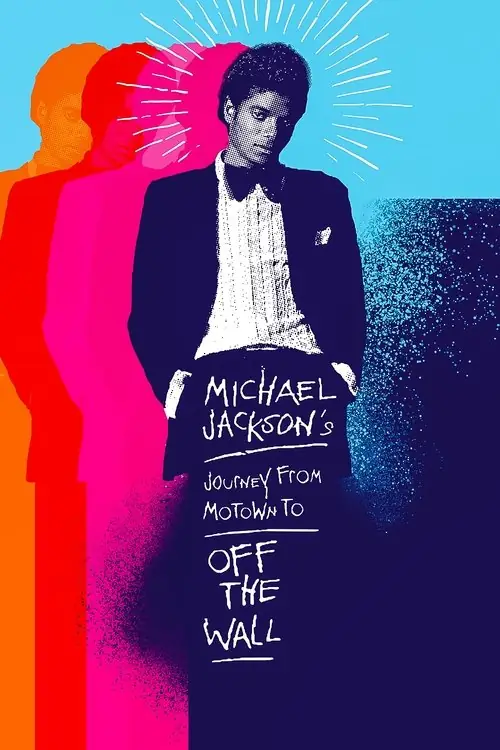
Spike Lee has never been a filmmaker content to remain within the boundaries of a single genre, and his…

Disaster cinema has long been a vessel for exploring how ordinary people comport themselves when the…
Nollywood has long demonstrated a particular fascination with the fault lines that class and status carve…