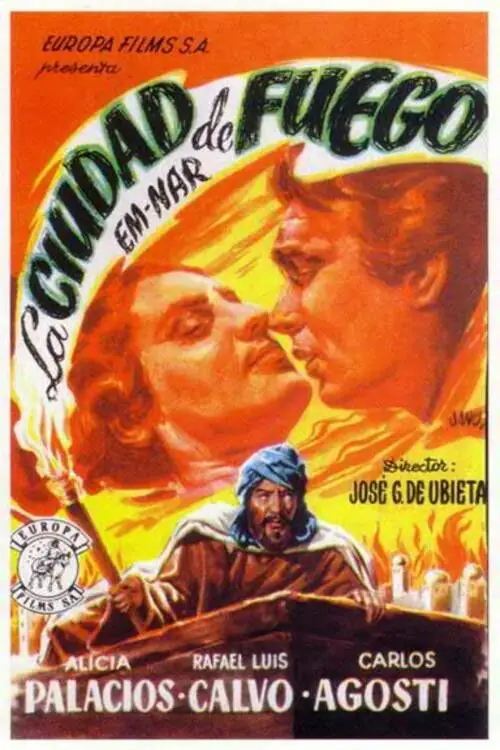
Em Nar, la ciudad de fuego
Cinema that emerges from regions underrepresented in global distribution networks carries a particular burden…
137 min
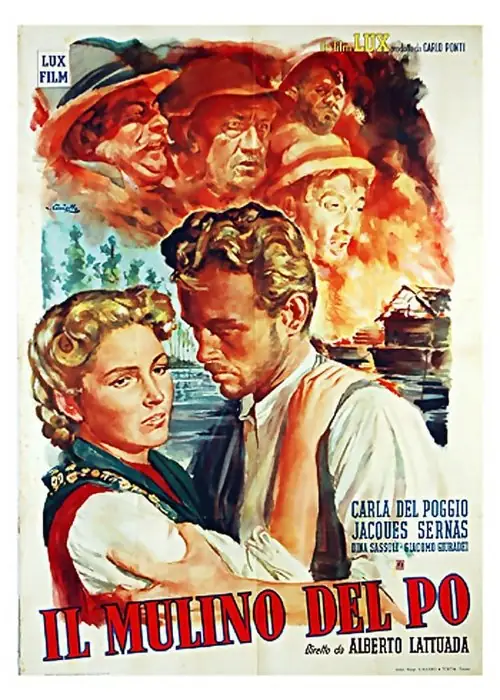
Drawing from the rich soil of Riccardo Bacchelli's literary epic, this film transplants the sprawling social dynamics of Italy's Po Valley in the nineteenth century onto the screen with an attention to class conflict and human consequence that resonates far beyond its historical setting. At its heart is the story of a young woman of comfortable means, engaged to a prosperous farmer, whose abrupt reversal of fortune casts her from privilege into the humiliating position of domestic laborer within her own fiancé's extended family. This precipitous fall—from the security of affluence to the vulnerability of dependency—serves as the film's central axis, around which orbit the larger forces of peasant unrest, landowner intransigence, and the eruptions of violence that inevitably result when exploitation exceeds endurance. The Po Valley itself emerges as a character of formidable presence, its flat, river-scored expanses functioning as both agricultural lifeblood and indifferent witness to the human dramas unfolding upon it. The mill of the title is more than a setting—it is the nexus where the material interests of competing classes collide, where grain is ground into flour and social relations are ground into conflict. The filmmakers capture the rhythms of rural labor with an ethnographic fidelity that honors the physical reality of nineteenth-century agrarian life, rendering every sowing and harvest as an act freighted with economic and existential significance. The film's depiction of peasant radicalization is unflinching in its acknowledgment that extremism begets extremism. As the workers' desperation hardens into violent confrontation, the landowners respond with repressive measures that only deepen the cycle of retribution. Neither side is rendered as simply righteous or simply villainous; instead, the film traces the logic by which ordinary people, pushed to their limits, arrive at extraordinary and terrible choices. The tragedy that ultimately engulfs the characters feels less like narrative contrivance than historical inevitability—the culmination of structural forces that no individual act of good will could have averted. The performances, particularly from the actress portraying the displaced fiancée, convey the interior costs of social demotion with a subtlety that avoids both melodrama and stoic abstraction. Her gradual transformation from protected innocent to seasoned survivor mirrors the broader arc of a community learning, through suffering, the actual conditions of its existence. The result is a work of grave beauty and enduring relevance, a film that locates the universal within the particular and finds in one valley's struggles a microcosm of humanity's eternal contest between power and justice.
Drawing from the rich soil of Riccardo Bacchelli's literary epic, this film transplants the sprawling social dynamics of Italy's Po Valley in the nineteenth century onto the screen with an attention to class conflict and human consequence that resonates far beyond its historical setting. At its heart is the story of a young woman of comfortable means, engaged to a prosperous farmer, whose abrupt reversal of fortune casts her from privilege into the humiliating position of domestic laborer within her own fiancé's extended family. This precipitous fall—from the security of affluence to the vulnerability of dependency—serves as the film's central axis, around which orbit the larger forces of peasant unrest, landowner intransigence, and the eruptions of violence that inevitably result when exploitation exceeds endurance. The Po Valley itself emerges as a character of formidable presence, its flat, river-scored expanses functioning as both agricultural lifeblood and indifferent witness to the human dramas unfolding upon it. The mill of the title is more than a setting—it is the nexus where the material interests of competing classes collide, where grain is ground into flour and social relations are ground into conflict. The filmmakers capture the rhythms of rural labor with an ethnographic fidelity that honors the physical reality of nineteenth-century agrarian life, rendering every sowing and harvest as an act freighted with economic and existential significance. The film's depiction of peasant radicalization is unflinching in its acknowledgment that extremism begets extremism. As the workers' desperation hardens into violent confrontation, the landowners respond with repressive measures that only deepen the cycle of retribution. Neither side is rendered as simply righteous or simply villainous; instead, the film traces the logic by which ordinary people, pushed to their limits, arrive at extraordinary and terrible choices. The tragedy that ultimately engulfs the characters feels less like narrative contrivance than historical inevitability—the culmination of structural forces that no individual act of good will could have averted. The performances, particularly from the actress portraying the displaced fiancée, convey the interior costs of social demotion with a subtlety that avoids both melodrama and stoic abstraction. Her gradual transformation from protected innocent to seasoned survivor mirrors the broader arc of a community learning, through suffering, the actual conditions of its existence. The result is a work of grave beauty and enduring relevance, a film that locates the universal within the particular and finds in one valley's struggles a microcosm of humanity's eternal contest between power and justice.
— Curator's log, recorded 1935±25 BCE
Cinema that emerges from regions underrepresented in global distribution networks carries a particular burden…
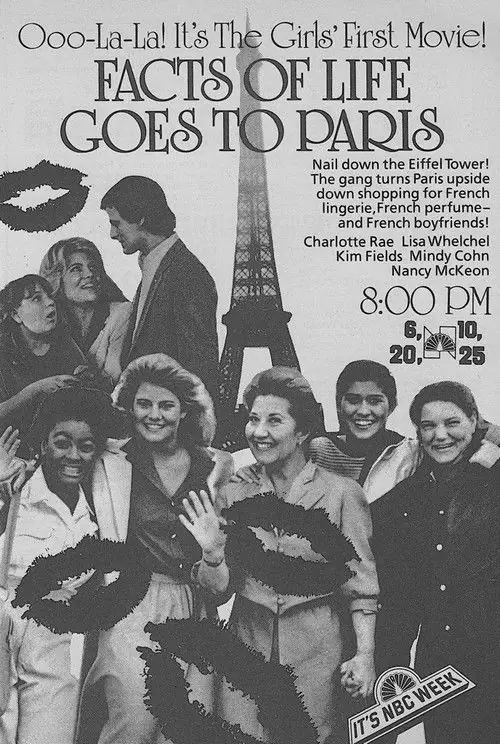
Television movies derived from beloved series occupy an awkward cultural position — too often they function…
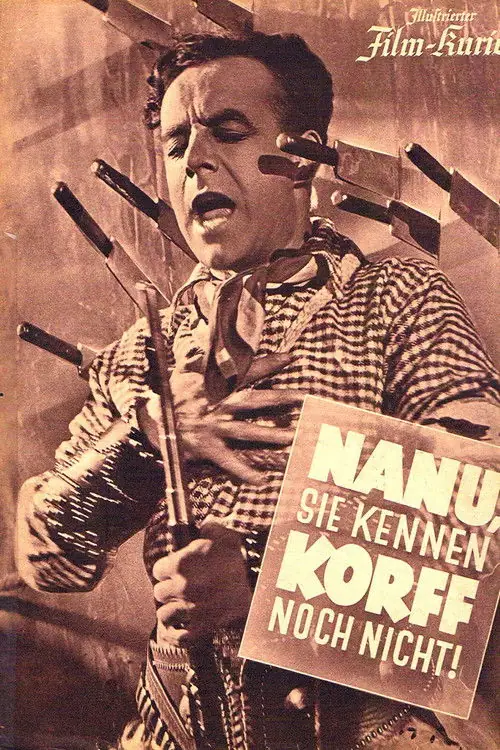
A delightful curio of postwar German comedy, this film emerges from the tradition of genial satire that…
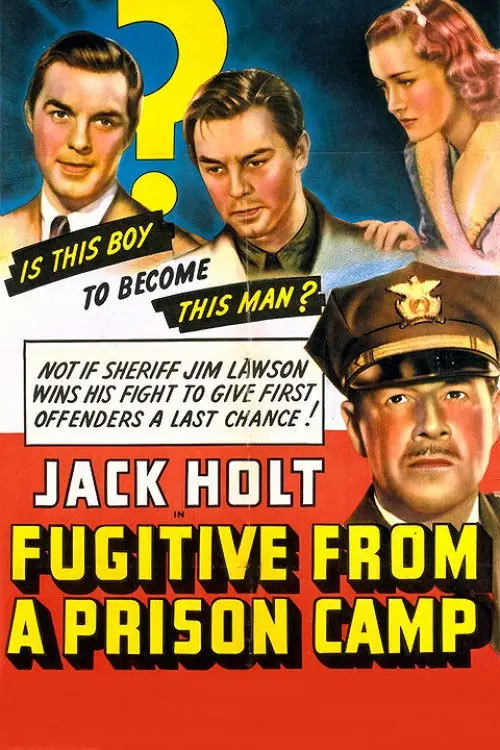
A fascinating artifact of mid-century penal reform discourse rendered as popular entertainment, this film…