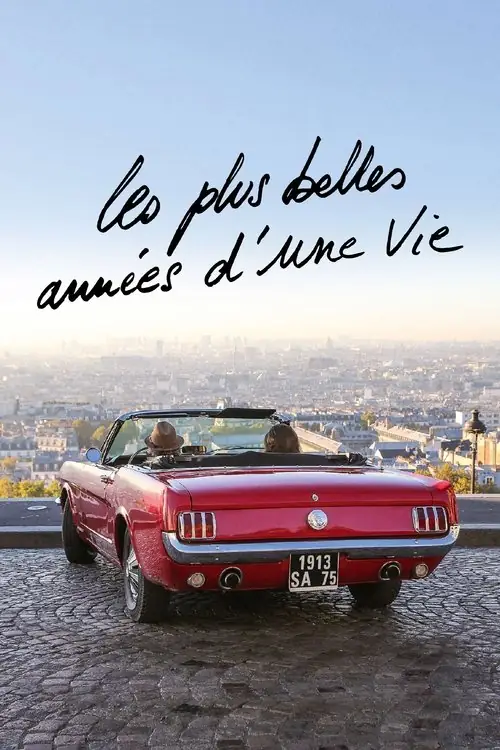
The Best Years of a Life
Cinema history is littered with love stories that captured the public imagination, but few have lingered in…
171 min
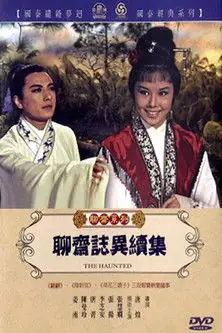
Drawing from Pu Songling's storied collection of supernatural tales from the Qing dynasty, this anthology film weaves together three narratives that illuminate the uncanny through the lens of human moral failure, redemptive magic, and sacrificial devotion. Each segment operates according to its own internal logic while collectively forming a meditation on the porous boundary between the mortal and spirit realms—a boundary that, in Songling's cosmology, is less a wall than a membrane, permeable to desire, hubris, and love. The first tale follows a philanderer whose refusal to amend his ways persists even after matrimony, his compulsive flirtations treated not as peccadilloes but as a spiritual affliction that the supernatural world will not leave unpunished. The film renders his moral blindness with a sensuality that mirrors his vanity—lush textures, warm lighting, and camera movements that glide with the same seductive ease with which he moves through the world, until the reckoning arrives with devastating abruptness. The second story introduces Judge Lu, whose arcane abilities enable a struggling scholar to achieve examination glory, raising questions about merit, destiny, and whether supernatural intervention constitutes grace or corruption. The depiction of Lu's otherworldly tribunal is a visual highlight, blending theatrical convention with eerie atmospherics. The final segment, perhaps the most emotionally resonant, chronicles a student who sacrifices his sight attempting to rescue a lotus fairy from a sorcerer's dominion. Blindness becomes both literal punishment and metaphorical enlightenment—a paradox central to Songling's philosophical vision, in which the material senses often obscure deeper truths. The film's production design evokes classical Chinese painting with a vividness that honors its literary source while creating a cinematic language all its own. These are ghost stories in the profoundest sense: narratives about the things that haunt us from within, the appetites and allegiances that tether the living to consequences beyond their comprehension.
Drawing from Pu Songling's storied collection of supernatural tales from the Qing dynasty, this anthology film weaves together three narratives that illuminate the uncanny through the lens of human moral failure, redemptive magic, and sacrificial devotion. Each segment operates according to its own internal logic while collectively forming a meditation on the porous boundary between the mortal and spirit realms—a boundary that, in Songling's cosmology, is less a wall than a membrane, permeable to desire, hubris, and love. The first tale follows a philanderer whose refusal to amend his ways persists even after matrimony, his compulsive flirtations treated not as peccadilloes but as a spiritual affliction that the supernatural world will not leave unpunished. The film renders his moral blindness with a sensuality that mirrors his vanity—lush textures, warm lighting, and camera movements that glide with the same seductive ease with which he moves through the world, until the reckoning arrives with devastating abruptness. The second story introduces Judge Lu, whose arcane abilities enable a struggling scholar to achieve examination glory, raising questions about merit, destiny, and whether supernatural intervention constitutes grace or corruption. The depiction of Lu's otherworldly tribunal is a visual highlight, blending theatrical convention with eerie atmospherics. The final segment, perhaps the most emotionally resonant, chronicles a student who sacrifices his sight attempting to rescue a lotus fairy from a sorcerer's dominion. Blindness becomes both literal punishment and metaphorical enlightenment—a paradox central to Songling's philosophical vision, in which the material senses often obscure deeper truths. The film's production design evokes classical Chinese painting with a vividness that honors its literary source while creating a cinematic language all its own. These are ghost stories in the profoundest sense: narratives about the things that haunt us from within, the appetites and allegiances that tether the living to consequences beyond their comprehension.
— Curator's log, recorded 1955±25 BCE
Cinema history is littered with love stories that captured the public imagination, but few have lingered in…
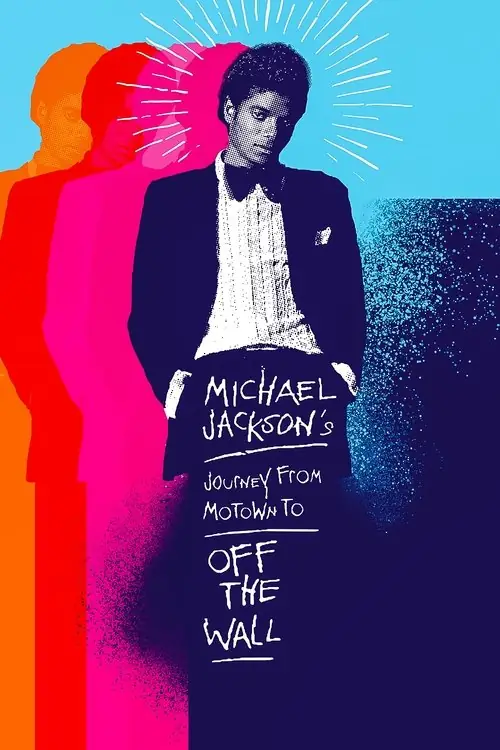
Spike Lee has never been a filmmaker content to remain within the boundaries of a single genre, and his…

Disaster cinema has long been a vessel for exploring how ordinary people comport themselves when the…
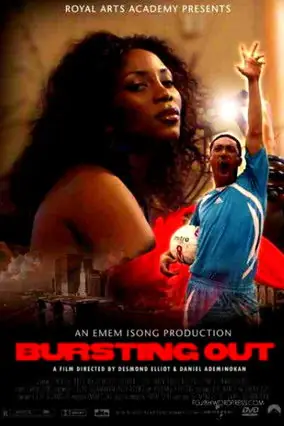
Nollywood has long demonstrated a particular fascination with the fault lines that class and status carve…