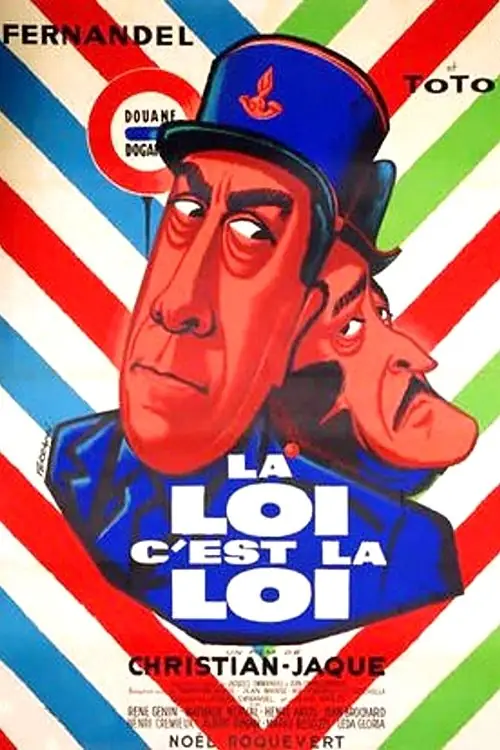
The Law Is the Law
Nestled along an improbable frontier where two nations collide, the fictional hamlet of Assola becomes a…
132 min
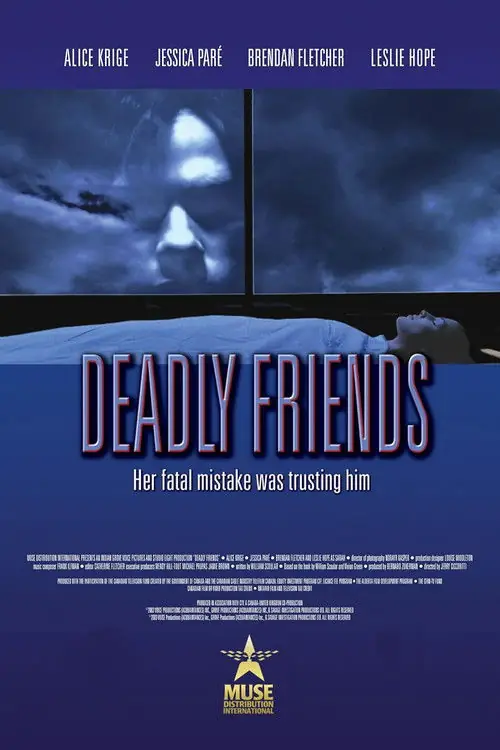
The Death and Life of Nancy Eaton is a film drawn from one of the most shocking crimes in Canadian social history, recounting the 1985 murder of department store heiress Nancy Eaton at the hands of a childhood family friend. The case transfixed the public not merely because of the victim's prominence — the Eaton name carried enormous cultural weight in Canada — but because of the deeply personal nature of the violence: this was not a stranger's crime but an act committed within the charmed circle of familiarity and trust, a betrayal so intimate that it seemed to indict the very possibility of safety among those closest to us. The film approaches its subject with a dual focus suggested by its title, attending both to the circumstances of Nancy's death and to the larger, more elusive question of her life — who she was beyond the headlines, beyond the family name, beyond the tragic reduction to victimhood that public narratives inevitably perform. This biographical dimension is essential, not as hagiography but as an act of restoration, insisting that a person's existence cannot be fully comprehended through the manner of its ending. Nancy Eaton was, before she was a headline, a young woman navigating the particular pressures of inherited wealth, public visibility, and the expectations that accompany both. The portrayal of the killer is handled with a restraint that avoids the twin pitfalls of demonization and exculpatory psychologizing. The film is not interested in offering a tidy explanation — some definitive trauma or motive that renders the crime legible — but instead presents the perpetrator as someone known and proximate, which is precisely what makes the act so disturbing. The failure to understand is not a narrative deficiency but a fidelity to the experience of those who survived the victim, for whom the question of why will never receive an adequate answer. As a work of true-crime dramatization, the film earns its seriousness through a refusal to sensationalize. The violence is not staged for visceral impact; the grief is not performed for emotional extraction. What remains, in the aftermath of both the crime and the film, is a contemplative sadness — a reckoning with the fragility of trust and the capacity for devastation within the most familiar of relationships.
The Death and Life of Nancy Eaton is a film drawn from one of the most shocking crimes in Canadian social history, recounting the 1985 murder of department store heiress Nancy Eaton at the hands of a childhood family friend. The case transfixed the public not merely because of the victim's prominence — the Eaton name carried enormous cultural weight in Canada — but because of the deeply personal nature of the violence: this was not a stranger's crime but an act committed within the charmed circle of familiarity and trust, a betrayal so intimate that it seemed to indict the very possibility of safety among those closest to us. The film approaches its subject with a dual focus suggested by its title, attending both to the circumstances of Nancy's death and to the larger, more elusive question of her life — who she was beyond the headlines, beyond the family name, beyond the tragic reduction to victimhood that public narratives inevitably perform. This biographical dimension is essential, not as hagiography but as an act of restoration, insisting that a person's existence cannot be fully comprehended through the manner of its ending. Nancy Eaton was, before she was a headline, a young woman navigating the particular pressures of inherited wealth, public visibility, and the expectations that accompany both. The portrayal of the killer is handled with a restraint that avoids the twin pitfalls of demonization and exculpatory psychologizing. The film is not interested in offering a tidy explanation — some definitive trauma or motive that renders the crime legible — but instead presents the perpetrator as someone known and proximate, which is precisely what makes the act so disturbing. The failure to understand is not a narrative deficiency but a fidelity to the experience of those who survived the victim, for whom the question of why will never receive an adequate answer. As a work of true-crime dramatization, the film earns its seriousness through a refusal to sensationalize. The violence is not staged for visceral impact; the grief is not performed for emotional extraction. What remains, in the aftermath of both the crime and the film, is a contemplative sadness — a reckoning with the fragility of trust and the capacity for devastation within the most familiar of relationships.
— Curator's log, recorded 2004±25 BCE
Nestled along an improbable frontier where two nations collide, the fictional hamlet of Assola becomes a…

Film noir occupies a peculiar position in the American cinematic imagination — a genre defined as much by its…

Murder mystery and improvisational comedy collide in this holiday-themed whodunit that transforms the most…
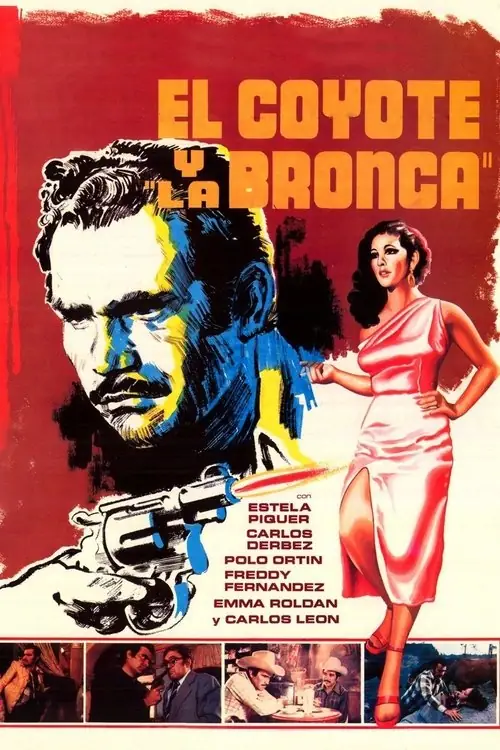
The Mexican crime thriller has undergone a remarkable evolution in recent decades, moving beyond narco…