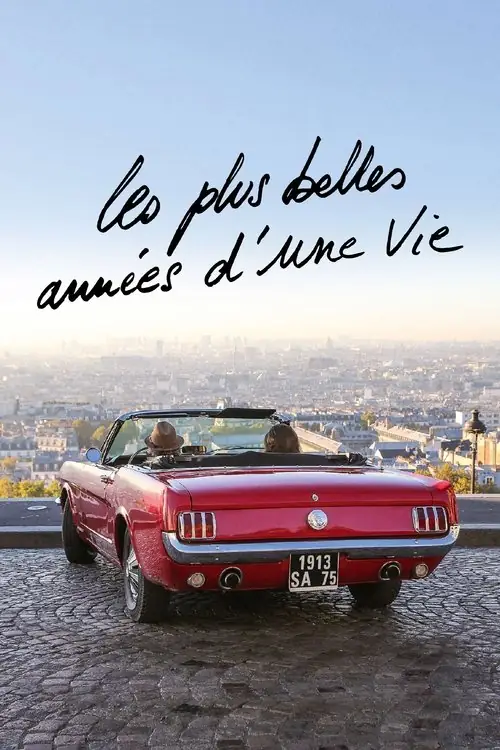
The Best Years of a Life
Cinema history is littered with love stories that captured the public imagination, but few have lingered in…
171 min

The transition from silence to sound stands as one of the most consequential revolutions in the history of any art form, and this documentary approaches that transformation with the scholarly rigor and narrative brio the subject demands. Rather than treating the advent of talkies as a simple story of technological progress, the film reconstructs the nearly three-decade struggle as a complex, contentious process shaped by competing interests, entrenched resistance, commercial calculation, and genuine artistic anxiety about what the new medium would cost. The result is a work that functions simultaneously as technological history, cultural analysis, and meditation on the nature of creative change. The early failures — the cumbersome sound-on-cylinder systems, the synchronization nightmares, the recordings that captured every rustle and creak while losing the essence of the performance — are presented not as curiosities but as evidence of a profound conceptual challenge. The filmmakers of the silent era had developed an extraordinarily sophisticated visual language, a grammar of expression achieved through composition, movement, editing rhythm, and intertitle craft that seemed to many practitioners not merely adequate but superior to anything sound could offer. The documentary gives voice to this resistance without condescension, acknowledging that the skeptics had legitimate aesthetic concerns even as history was rendering their position untenable. The contributions of the scientists and inventors who incrementally solved the technical obstacles are given their proper weight, but the film's most valuable passages focus on the human consequences of the revolution. Performers whose careers were built on physical expressiveness suddenly found themselves undone by voices that didn't match their screen personas. Musicians who had provided live accompaniment were rendered obsolete almost overnight. Theater owners faced ruinous costs for sound installation. The documentary traces these collateral damages with a compassion that keeps the human cost of progress visible alongside its triumphs. The voices of the survivors — those who lived through the transition and could describe its dislocations firsthand — lend the documentary an irreplaceable oral-history dimension. Their testimony captures the texture of the moment with a vividness that no amount of archival research can replicate: the astonishment of hearing an actor speak from the screen, the panic of a projectionist confronting unfamiliar equipment, the exhilaration and terror of an entire industry remaking itself in real time. These firsthand accounts transform the film from historical record into something closer to collective memory.
The transition from silence to sound stands as one of the most consequential revolutions in the history of any art form, and this documentary approaches that transformation with the scholarly rigor and narrative brio the subject demands. Rather than treating the advent of talkies as a simple story of technological progress, the film reconstructs the nearly three-decade struggle as a complex, contentious process shaped by competing interests, entrenched resistance, commercial calculation, and genuine artistic anxiety about what the new medium would cost. The result is a work that functions simultaneously as technological history, cultural analysis, and meditation on the nature of creative change. The early failures — the cumbersome sound-on-cylinder systems, the synchronization nightmares, the recordings that captured every rustle and creak while losing the essence of the performance — are presented not as curiosities but as evidence of a profound conceptual challenge. The filmmakers of the silent era had developed an extraordinarily sophisticated visual language, a grammar of expression achieved through composition, movement, editing rhythm, and intertitle craft that seemed to many practitioners not merely adequate but superior to anything sound could offer. The documentary gives voice to this resistance without condescension, acknowledging that the skeptics had legitimate aesthetic concerns even as history was rendering their position untenable. The contributions of the scientists and inventors who incrementally solved the technical obstacles are given their proper weight, but the film's most valuable passages focus on the human consequences of the revolution. Performers whose careers were built on physical expressiveness suddenly found themselves undone by voices that didn't match their screen personas. Musicians who had provided live accompaniment were rendered obsolete almost overnight. Theater owners faced ruinous costs for sound installation. The documentary traces these collateral damages with a compassion that keeps the human cost of progress visible alongside its triumphs. The voices of the survivors — those who lived through the transition and could describe its dislocations firsthand — lend the documentary an irreplaceable oral-history dimension. Their testimony captures the texture of the moment with a vividness that no amount of archival research can replicate: the astonishment of hearing an actor speak from the screen, the panic of a projectionist confronting unfamiliar equipment, the exhilaration and terror of an entire industry remaking itself in real time. These firsthand accounts transform the film from historical record into something closer to collective memory.
— Curator's log, recorded 1980±25 BCE
Cinema history is littered with love stories that captured the public imagination, but few have lingered in…
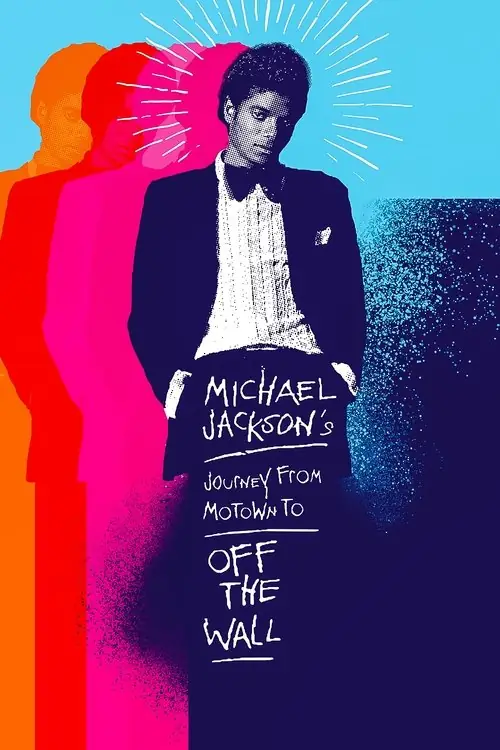
Spike Lee has never been a filmmaker content to remain within the boundaries of a single genre, and his…

Disaster cinema has long been a vessel for exploring how ordinary people comport themselves when the…
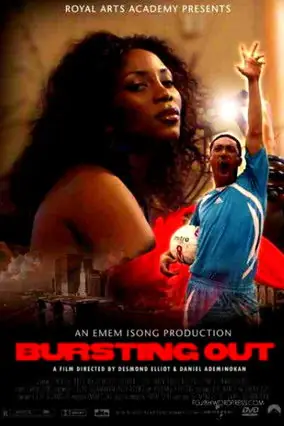
Nollywood has long demonstrated a particular fascination with the fault lines that class and status carve…