
Till Human Voices Wake Us
Water has long served as cinema's most mutable metaphor — a medium of transformation, disappearance, and the…
152 min
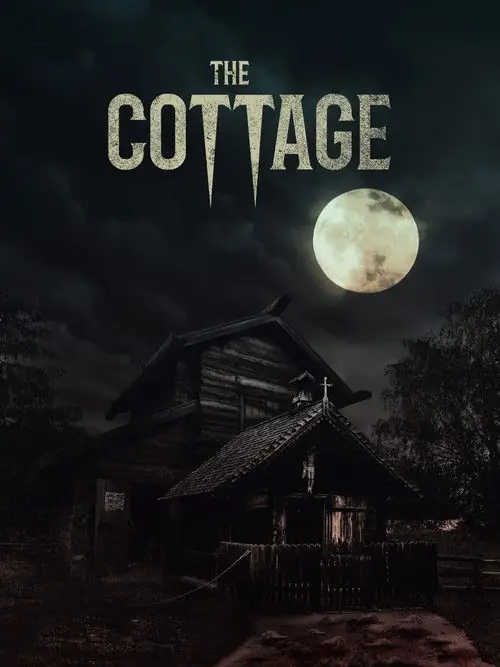
This horror feature takes the venerable cabin-in-the-woods setup and applies it with a workmanlike efficiency that respects the genre's traditions while adding just enough variation to keep the formula from calcifying. Five friends retreat to an isolated cottage for what should be an unremarkable holiday, a premise so familiar that the film itself seems aware of the audience's anticipatory dread—the question is never whether something will go wrong, but precisely what form the catastrophe will take and whether the filmmakers can execute it with sufficient craft to justify the invocation of such well-trod territory. The early passages establish the social dynamics of the group with enough specificity to invest the audience in their survival, if not necessarily their company. The cottage, shot in a palette of warm wood and cold exterior light, becomes a study in false comfort—a space that promises shelter while concealing the mechanisms of its inhabitants' undoing. When the supernatural element is introduced, the film resists the contemporary impulse toward explain-everything mythology, instead allowing the malevolence to remain partially opaque. There is something nameless at work here, something that was summoned through actions the characters do not fully understand, and this ambiguity proves more unsettling than any elaborate backstory could provide. The paranormal sequences deploy a combination of practical effects and atmospheric sound design that prioritizes suggestion over spectacle. Shadows that move fractionally against the light, sounds that seem to originate from inside the walls rather than beyond them, a quality to the air that shifts from still to oppressive—these subtle manipulations generate more genuine unease than any amount of visual effects pyrotechnics. The film's third act escalates into more overt confrontations, and while some of the tension dissipates when the threat becomes visible, the performances maintain an emotional credibility that anchors the more outlandish developments. As a study in isolation, folklore, and the terrible consequences of trespassing on forces that operate beyond rational comprehension, it earns its place in the lineage of rural horror cinema.
This horror feature takes the venerable cabin-in-the-woods setup and applies it with a workmanlike efficiency that respects the genre's traditions while adding just enough variation to keep the formula from calcifying. Five friends retreat to an isolated cottage for what should be an unremarkable holiday, a premise so familiar that the film itself seems aware of the audience's anticipatory dread—the question is never whether something will go wrong, but precisely what form the catastrophe will take and whether the filmmakers can execute it with sufficient craft to justify the invocation of such well-trod territory. The early passages establish the social dynamics of the group with enough specificity to invest the audience in their survival, if not necessarily their company. The cottage, shot in a palette of warm wood and cold exterior light, becomes a study in false comfort—a space that promises shelter while concealing the mechanisms of its inhabitants' undoing. When the supernatural element is introduced, the film resists the contemporary impulse toward explain-everything mythology, instead allowing the malevolence to remain partially opaque. There is something nameless at work here, something that was summoned through actions the characters do not fully understand, and this ambiguity proves more unsettling than any elaborate backstory could provide. The paranormal sequences deploy a combination of practical effects and atmospheric sound design that prioritizes suggestion over spectacle. Shadows that move fractionally against the light, sounds that seem to originate from inside the walls rather than beyond them, a quality to the air that shifts from still to oppressive—these subtle manipulations generate more genuine unease than any amount of visual effects pyrotechnics. The film's third act escalates into more overt confrontations, and while some of the tension dissipates when the threat becomes visible, the performances maintain an emotional credibility that anchors the more outlandish developments. As a study in isolation, folklore, and the terrible consequences of trespassing on forces that operate beyond rational comprehension, it earns its place in the lineage of rural horror cinema.
— Curator's log, recorded 2018±25 BCE
Water has long served as cinema's most mutable metaphor — a medium of transformation, disappearance, and the…

Operating in a register of unbridled creative excess, this audacious genre hybrid reimagines Shakespearean…

Constantin Brâncuși stands as one of the towering figures of modern sculpture, an artist who stripped form…

The American frontier of the 1850s serves as the punishing backdrop for this morally intricate western-horror…