
Till Human Voices Wake Us
Water has long served as cinema's most mutable metaphor — a medium of transformation, disappearance, and the…
152 min
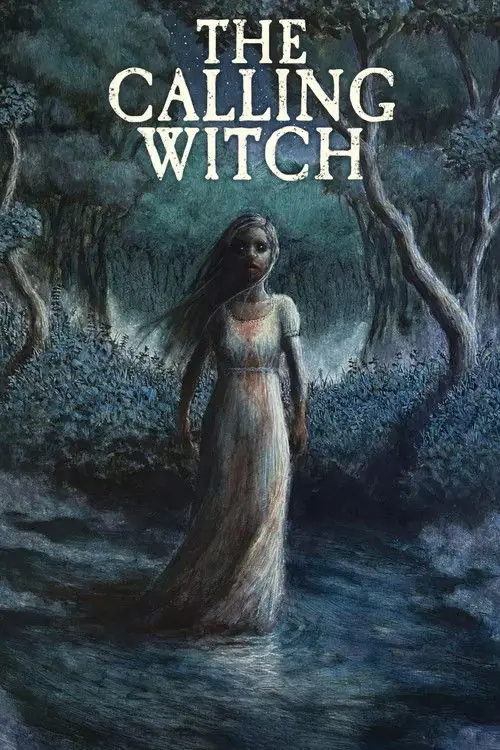
The Calling Witch is a horror film that derives its terrors from the intersection of literary creation and familial dread, positing a scenario in which a deceased author's most malevolent fictional creation has somehow crossed the threshold from page to reality to torment her surviving children. A brother and sister find themselves besieged by the Calling Witch — a figure drawn from their late mother's imagination — and the film's central horror lies in the suggestion that the most intimate space of a writer's mind, the place where fiction is born, can become a doorway for something genuinely monstrous to enter the world of the living. The premise carries rich literary-historical echoes, recalling the tradition of the doppelgänger and the evil double, as well as more specific antecedents in horror fiction where creative acts have dangerous supernatural consequences. What distinguishes The Calling Witch is its specific location of the threat within the family itself — the mother, even in death, has left behind a force that preys on her own offspring, and this Oedipal dimension gives the scares a psychological weight that gratuitous horror lacks. The witch is not merely a monster; she is an emanation of maternal imagination, and her aggression toward the children carries the disturbing charge of authorial hostility turned literal. The film's visual approach favors suggestion and atmosphere over explicit revelation, at least in its strongest passages. The witch's presence is initially communicated through environmental disturbances and uncanny details — objects displaced, shadows behaving improperly, sounds that don't quite match their sources. This incremental approach to the supernatural creates a sense of encroaching wrongness that is more unsettling than any creature design could achieve. When the witch does fully materialize, the filmmakers wisely keep her just obscure enough to preserve the dread of partial knowledge. The sibling relationship at the center provides the necessary emotional infrastructure for the horror to land. Their shared history, their individual relationships with their mother, and their different ways of processing grief all inform how they respond to the supernatural assault, and the film is at its most interesting when it allows these psychological variables to complicate the genre mechanics.
The Calling Witch is a horror film that derives its terrors from the intersection of literary creation and familial dread, positing a scenario in which a deceased author's most malevolent fictional creation has somehow crossed the threshold from page to reality to torment her surviving children. A brother and sister find themselves besieged by the Calling Witch — a figure drawn from their late mother's imagination — and the film's central horror lies in the suggestion that the most intimate space of a writer's mind, the place where fiction is born, can become a doorway for something genuinely monstrous to enter the world of the living. The premise carries rich literary-historical echoes, recalling the tradition of the doppelgänger and the evil double, as well as more specific antecedents in horror fiction where creative acts have dangerous supernatural consequences. What distinguishes The Calling Witch is its specific location of the threat within the family itself — the mother, even in death, has left behind a force that preys on her own offspring, and this Oedipal dimension gives the scares a psychological weight that gratuitous horror lacks. The witch is not merely a monster; she is an emanation of maternal imagination, and her aggression toward the children carries the disturbing charge of authorial hostility turned literal. The film's visual approach favors suggestion and atmosphere over explicit revelation, at least in its strongest passages. The witch's presence is initially communicated through environmental disturbances and uncanny details — objects displaced, shadows behaving improperly, sounds that don't quite match their sources. This incremental approach to the supernatural creates a sense of encroaching wrongness that is more unsettling than any creature design could achieve. When the witch does fully materialize, the filmmakers wisely keep her just obscure enough to preserve the dread of partial knowledge. The sibling relationship at the center provides the necessary emotional infrastructure for the horror to land. Their shared history, their individual relationships with their mother, and their different ways of processing grief all inform how they respond to the supernatural assault, and the film is at its most interesting when it allows these psychological variables to complicate the genre mechanics.
— Curator's log, recorded 1997±25 BCE
Water has long served as cinema's most mutable metaphor — a medium of transformation, disappearance, and the…

Operating in a register of unbridled creative excess, this audacious genre hybrid reimagines Shakespearean…

Constantin Brâncuși stands as one of the towering figures of modern sculpture, an artist who stripped form…

The American frontier of the 1850s serves as the punishing backdrop for this morally intricate western-horror…