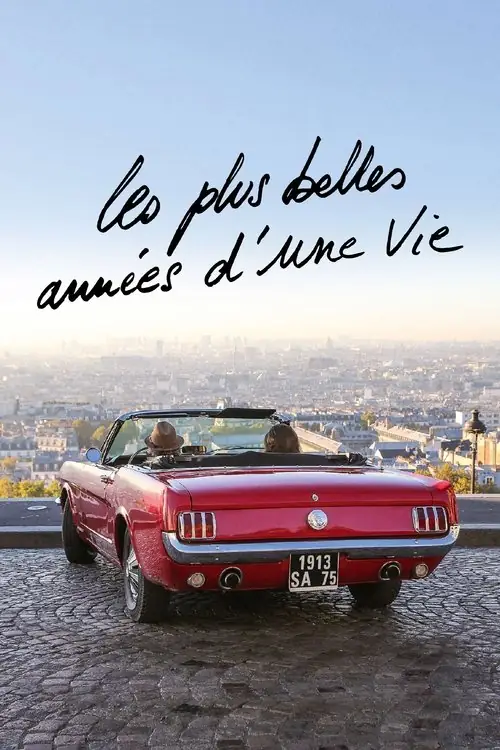
The Best Years of a Life
Cinema history is littered with love stories that captured the public imagination, but few have lingered in…
171 min
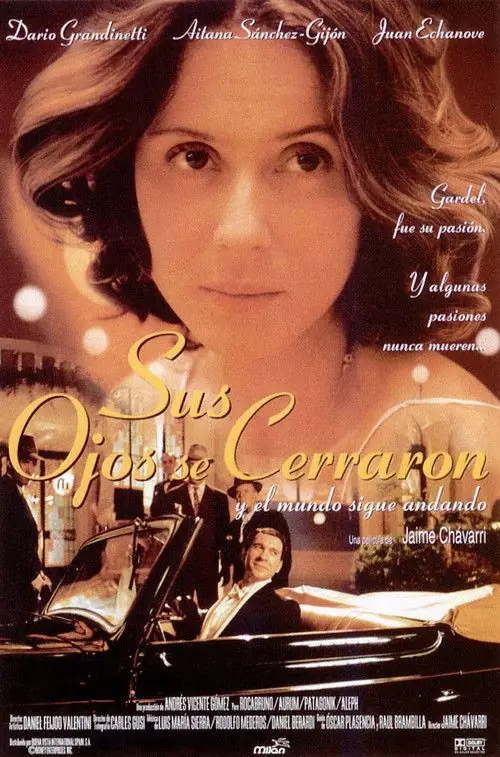
This Argentine musical drama constructs an elaborate fiction around one of the country's most sacred cultural figures, imagining a love triangle entwined with the legend of Carlos Gardel and the intoxicating, almost narcotic pull of tango itself. At its center stands Juana Romero, a seamstress whose devotion to Gardel's voice borders on the devotional—she does not merely listen to his recordings, she inhabits them, allowing their melodies to structure the rhythms of her daily existence. When she abandons her boyfriend Gustavo for Renzo, a vocalist whose physical resemblance to Gardel ignites something within her, the film sets in motion a narrative about the dangerous alchemy of imitation, desire, and the ways in which art can become a substitute for authentic human connection. The central irony is that Juana's insistence that Renzo perform Gardel's repertoire transforms him from a distinct artist into a vessel for another man's genius. His recording of a Ford commercial—secured only because the great man himself is unavailable—encapsulates the film's thematic preoccupation with proximity versus authenticity, with being near greatness versus possessing it. The road tour that follows becomes a descent into the complications that arise when love is predicated on resemblance rather than recognition, when passion is directed at an image rather than a person. The filmmaking revels in the sensory textures of 1930s Buenos Aires: the smoke-filled clubs, the pressed lapels, the way streetlight catches the polished leather of dancing shoes. Tango functions here as both musical form and dramatic metaphor—a dance built on tension and release, on the promise of connection that always contains the possibility of abandonment. The framing device, an elderly woman claiming to have been married to both Gardel and Renzo, introduces a layer of unreliable narration that refuses to settle the question of where truth ends and mythology begins. It is a film about the stories we construct around the artists we love, and about how those stories can consume the very lives they were meant to celebrate.
This Argentine musical drama constructs an elaborate fiction around one of the country's most sacred cultural figures, imagining a love triangle entwined with the legend of Carlos Gardel and the intoxicating, almost narcotic pull of tango itself. At its center stands Juana Romero, a seamstress whose devotion to Gardel's voice borders on the devotional—she does not merely listen to his recordings, she inhabits them, allowing their melodies to structure the rhythms of her daily existence. When she abandons her boyfriend Gustavo for Renzo, a vocalist whose physical resemblance to Gardel ignites something within her, the film sets in motion a narrative about the dangerous alchemy of imitation, desire, and the ways in which art can become a substitute for authentic human connection. The central irony is that Juana's insistence that Renzo perform Gardel's repertoire transforms him from a distinct artist into a vessel for another man's genius. His recording of a Ford commercial—secured only because the great man himself is unavailable—encapsulates the film's thematic preoccupation with proximity versus authenticity, with being near greatness versus possessing it. The road tour that follows becomes a descent into the complications that arise when love is predicated on resemblance rather than recognition, when passion is directed at an image rather than a person. The filmmaking revels in the sensory textures of 1930s Buenos Aires: the smoke-filled clubs, the pressed lapels, the way streetlight catches the polished leather of dancing shoes. Tango functions here as both musical form and dramatic metaphor—a dance built on tension and release, on the promise of connection that always contains the possibility of abandonment. The framing device, an elderly woman claiming to have been married to both Gardel and Renzo, introduces a layer of unreliable narration that refuses to settle the question of where truth ends and mythology begins. It is a film about the stories we construct around the artists we love, and about how those stories can consume the very lives they were meant to celebrate.
— Curator's log, recorded 2001±25 BCE
Cinema history is littered with love stories that captured the public imagination, but few have lingered in…
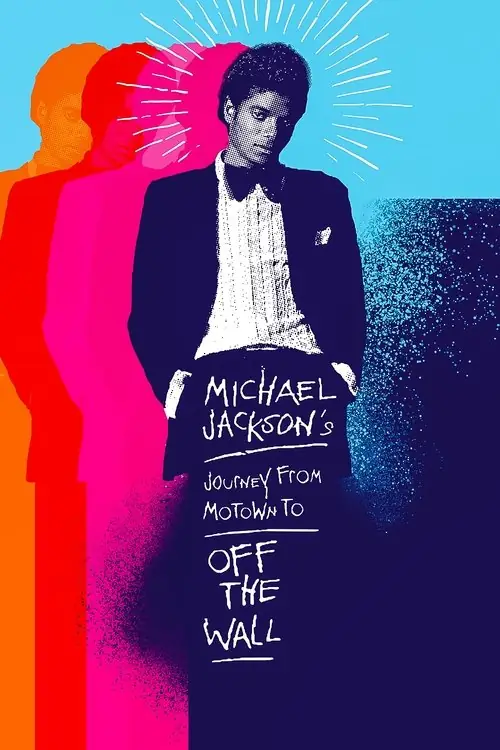
Spike Lee has never been a filmmaker content to remain within the boundaries of a single genre, and his…
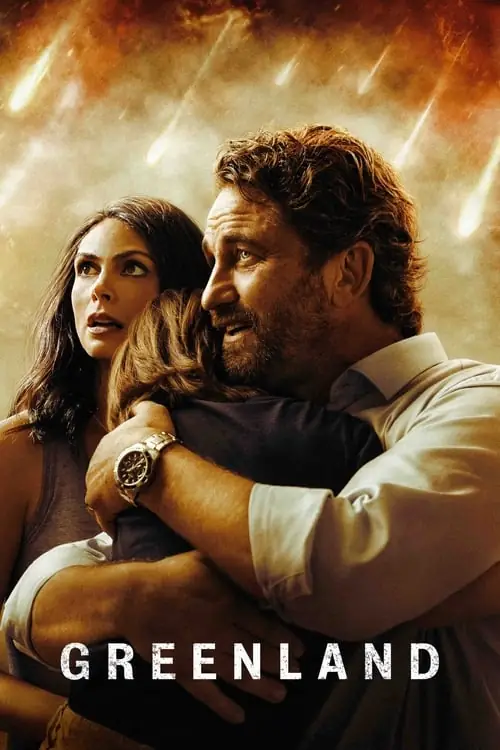
Disaster cinema has long been a vessel for exploring how ordinary people comport themselves when the…
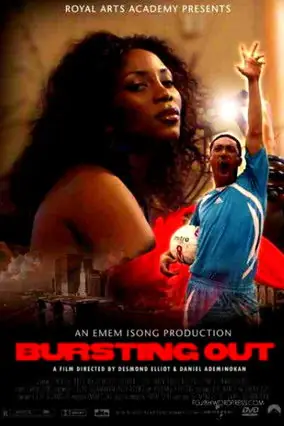
Nollywood has long demonstrated a particular fascination with the fault lines that class and status carve…