
The Best Years of a Life
Cinema history is littered with love stories that captured the public imagination, but few have lingered in…
171 min
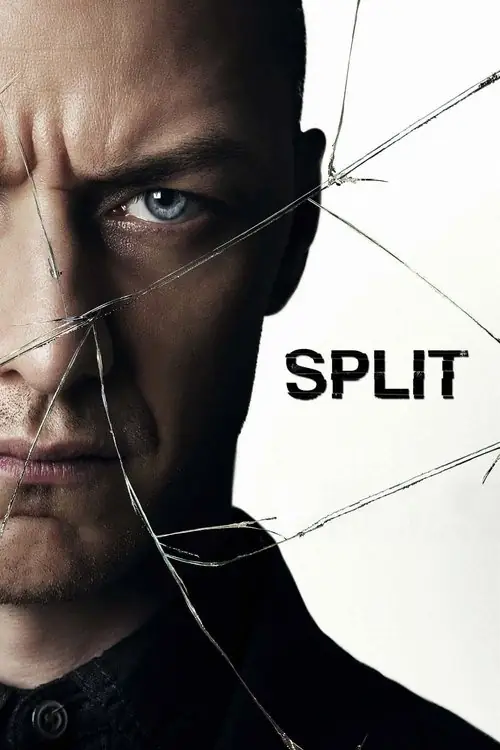
M. Night Shyamalan's psychological thriller operates in a register of sustained, creeping unease that distinguishes it from virtually anything else in the director's filmography or in the broader landscape of contemporary horror. The premise — a man housing twenty-three distinct personalities who abduct three teenage girls — could easily have devolved into exploitation or spectacle, but Shyamalan's execution is meticulous in its focus on interiority, on the architecture of a mind at war with itself. The film's brilliance lies in its refusal to treat dissociative identity disorder as mere plot device; instead, it constructs a genuinely tragic portrait of a psyche fractured beyond repair, where each personality is both a prisoner and a combatant in a conflict none of them chose. James McAvoy delivers a performance of staggering technical virtuosity and emotional precision. Each of the identities he embodies — from the fastidious Dennis to the nurturing Hedwig to the commanding Patricia — is rendered with such specific physical and vocal detail that they register as distinct presences sharing a single body. The transformations occur in real time, often within a single shot, and the effect is deeply unsettling precisely because it is so convincing. McAvoy never asks the audience to admire his technique; he asks them to reckon with the suffering that produced it, and the distinction is crucial. The abducted girls, particularly Casey as played by Anya Taylor-Joy, are never reduced to mere victims. Casey's backstory, revealed in fragmentary flashbacks, establishes her as someone who has already survived forms of violation that have equipped her with a watchfulness and resourcefulness that her captors — or rather, some of her captors' identities — do not anticipate. The film draws an implicit parallel between the compartmentalization that protects Kevin's psyche and the dissociative strategies that protected Casey's, linking them through shared trauma without equating their circumstances. The climactic revelation of the twenty-fourth personality — the Beast — shifts the film's register from psychological horror into something approaching mythic grandeur, a transformation that remains deeply controversial but that Shyamalan commits to with absolute conviction. Whether this escalation works or strains credibility, it reflects the film's overarching ambition: to treat mental illness not as a clinical condition to be managed but as a landscape of astonishing, terrifying, and sometimes transcendent possibility, where the boundaries of what a human being can become are far more porous than comfortable assumptions allow.
M. Night Shyamalan's psychological thriller operates in a register of sustained, creeping unease that distinguishes it from virtually anything else in the director's filmography or in the broader landscape of contemporary horror. The premise — a man housing twenty-three distinct personalities who abduct three teenage girls — could easily have devolved into exploitation or spectacle, but Shyamalan's execution is meticulous in its focus on interiority, on the architecture of a mind at war with itself. The film's brilliance lies in its refusal to treat dissociative identity disorder as mere plot device; instead, it constructs a genuinely tragic portrait of a psyche fractured beyond repair, where each personality is both a prisoner and a combatant in a conflict none of them chose. James McAvoy delivers a performance of staggering technical virtuosity and emotional precision. Each of the identities he embodies — from the fastidious Dennis to the nurturing Hedwig to the commanding Patricia — is rendered with such specific physical and vocal detail that they register as distinct presences sharing a single body. The transformations occur in real time, often within a single shot, and the effect is deeply unsettling precisely because it is so convincing. McAvoy never asks the audience to admire his technique; he asks them to reckon with the suffering that produced it, and the distinction is crucial. The abducted girls, particularly Casey as played by Anya Taylor-Joy, are never reduced to mere victims. Casey's backstory, revealed in fragmentary flashbacks, establishes her as someone who has already survived forms of violation that have equipped her with a watchfulness and resourcefulness that her captors — or rather, some of her captors' identities — do not anticipate. The film draws an implicit parallel between the compartmentalization that protects Kevin's psyche and the dissociative strategies that protected Casey's, linking them through shared trauma without equating their circumstances. The climactic revelation of the twenty-fourth personality — the Beast — shifts the film's register from psychological horror into something approaching mythic grandeur, a transformation that remains deeply controversial but that Shyamalan commits to with absolute conviction. Whether this escalation works or strains credibility, it reflects the film's overarching ambition: to treat mental illness not as a clinical condition to be managed but as a landscape of astonishing, terrifying, and sometimes transcendent possibility, where the boundaries of what a human being can become are far more porous than comfortable assumptions allow.
— Curator's log, recorded 2015±25 BCE
Cinema history is littered with love stories that captured the public imagination, but few have lingered in…
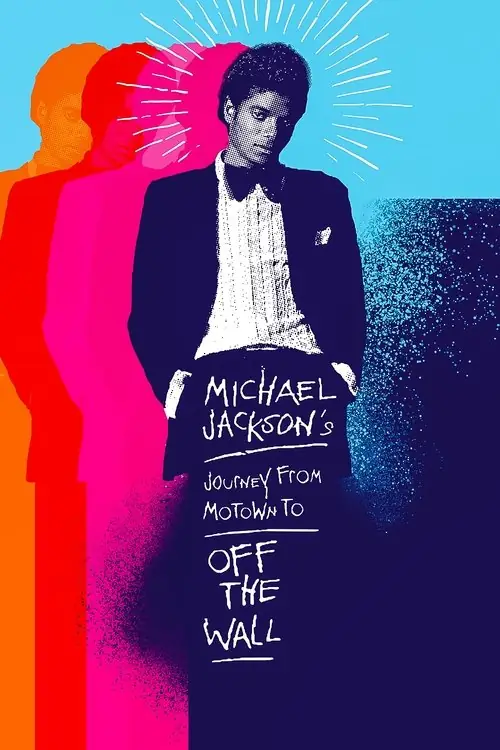
Spike Lee has never been a filmmaker content to remain within the boundaries of a single genre, and his…

Disaster cinema has long been a vessel for exploring how ordinary people comport themselves when the…

Nollywood has long demonstrated a particular fascination with the fault lines that class and status carve…