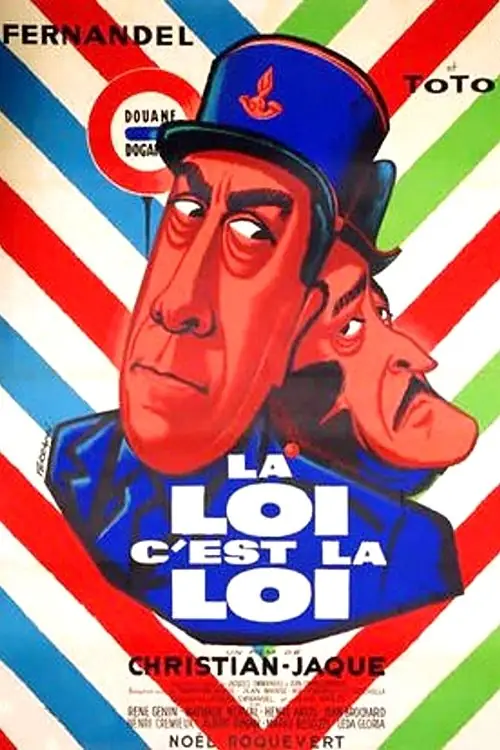
The Law Is the Law
Nestled along an improbable frontier where two nations collide, the fictional hamlet of Assola becomes a…
132 min
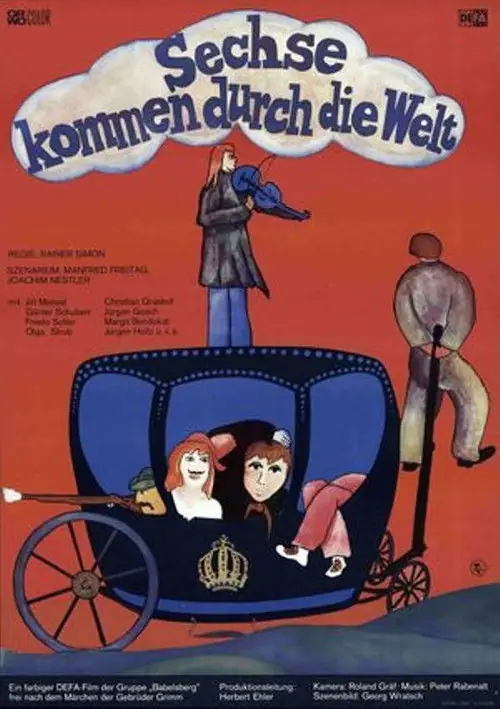
East German cinema produced a rich vein of fairy tale adaptations that combined technical ingenuity with ideological subtext, and this DEFA production exemplifies the tradition with a narrative that operates simultaneously as children's fantasy and pointed political allegory. The story of a soldier wronged by his monarch and returning to reclaim the wealth extracted from the common people resonates with particular force in a cinematic tradition shaped by socialist principles, yet the film's artistry ensures that its message never overwhelms its storytelling. The fairy tale framework provides both the narrative engine and a protective layer of metaphorical distance, allowing the film to articulate critiques of authority and exploitation through the timeless language of folklore. The King of Malabunt, with his three wooden marshals and his habit of decorating himself while dismissing his army with pitiful compensation, is rendered as a figure of absurdist tyranny — a ruler whose vanity exceeds his competence and whose relationship to his subjects is purely extractive. The wooden marshals are a particularly pointed detail, suggesting a leadership class that is ornamental rather than functional, decorative rather than alive to the needs of those they nominally serve. The soldier's imprisonment for the crime of protesting injustice establishes the narrative's moral axis clearly and without ambiguity: this is a world where speaking truth to power is punished, and where the machinery of state exists to protect privilege rather than serve the commonweal. The soldier's vow to return and reclaim the king's ill-gotten wealth drives the narrative forward through a series of encounters that draw on the motif of supernatural assistance common to folkloric tradition. These episodes — each involving magical gifts or unlikely allies — serve dual purposes, advancing the plot while expanding the film's thematic range. The magical elements are staged with the practical effects ingenuity that distinguishes DEFA's fairy tale productions, employing puppetry, matte work, and creative editing to create effects that possess a tactile, handcrafted charm wholly absent from contemporary digital approaches. The climax, in which the soldier's righteous determination triumphs over the king's hollow authority, delivers the satisfaction intrinsic to the genre while carrying an ideological charge that the film handles with notable lightness. Victory comes not through superior force but through cleverness, solidarity, and the justness of one's cause — a formulation that speaks to the film's faith in collective action over individual heroism and in the ultimate inevitability of justice over entrenched power.
East German cinema produced a rich vein of fairy tale adaptations that combined technical ingenuity with ideological subtext, and this DEFA production exemplifies the tradition with a narrative that operates simultaneously as children's fantasy and pointed political allegory. The story of a soldier wronged by his monarch and returning to reclaim the wealth extracted from the common people resonates with particular force in a cinematic tradition shaped by socialist principles, yet the film's artistry ensures that its message never overwhelms its storytelling. The fairy tale framework provides both the narrative engine and a protective layer of metaphorical distance, allowing the film to articulate critiques of authority and exploitation through the timeless language of folklore. The King of Malabunt, with his three wooden marshals and his habit of decorating himself while dismissing his army with pitiful compensation, is rendered as a figure of absurdist tyranny — a ruler whose vanity exceeds his competence and whose relationship to his subjects is purely extractive. The wooden marshals are a particularly pointed detail, suggesting a leadership class that is ornamental rather than functional, decorative rather than alive to the needs of those they nominally serve. The soldier's imprisonment for the crime of protesting injustice establishes the narrative's moral axis clearly and without ambiguity: this is a world where speaking truth to power is punished, and where the machinery of state exists to protect privilege rather than serve the commonweal. The soldier's vow to return and reclaim the king's ill-gotten wealth drives the narrative forward through a series of encounters that draw on the motif of supernatural assistance common to folkloric tradition. These episodes — each involving magical gifts or unlikely allies — serve dual purposes, advancing the plot while expanding the film's thematic range. The magical elements are staged with the practical effects ingenuity that distinguishes DEFA's fairy tale productions, employing puppetry, matte work, and creative editing to create effects that possess a tactile, handcrafted charm wholly absent from contemporary digital approaches. The climax, in which the soldier's righteous determination triumphs over the king's hollow authority, delivers the satisfaction intrinsic to the genre while carrying an ideological charge that the film handles with notable lightness. Victory comes not through superior force but through cleverness, solidarity, and the justness of one's cause — a formulation that speaks to the film's faith in collective action over individual heroism and in the ultimate inevitability of justice over entrenched power.
— Curator's log, recorded 1945±25 BCE
Nestled along an improbable frontier where two nations collide, the fictional hamlet of Assola becomes a…

Film noir occupies a peculiar position in the American cinematic imagination — a genre defined as much by its…

Murder mystery and improvisational comedy collide in this holiday-themed whodunit that transforms the most…
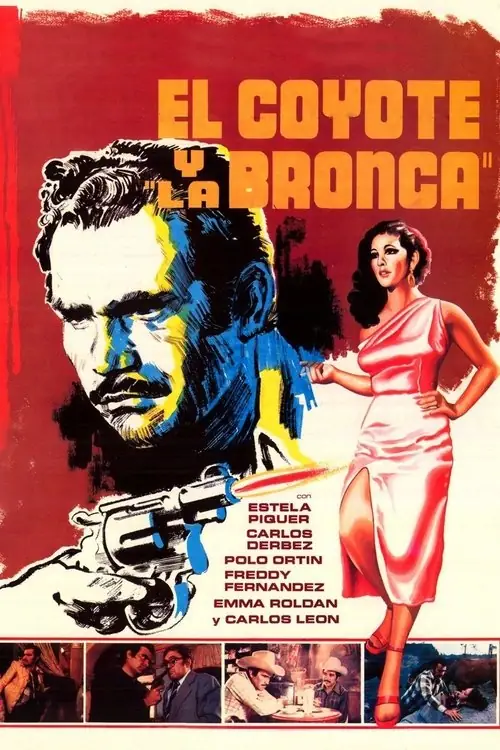
The Mexican crime thriller has undergone a remarkable evolution in recent decades, moving beyond narco…