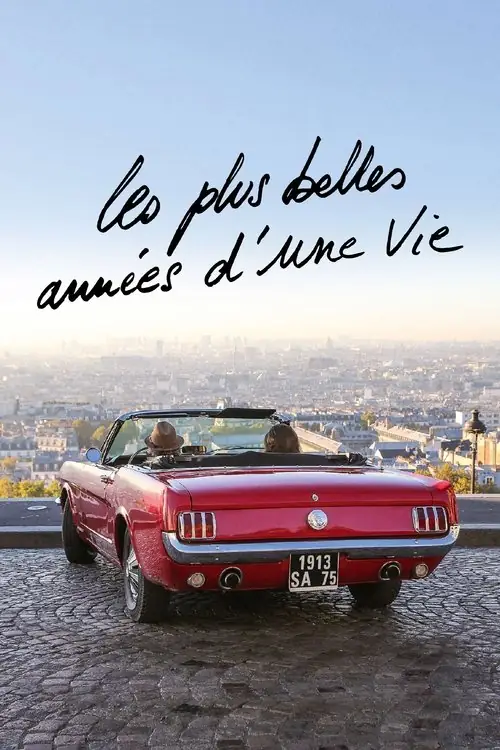
The Best Years of a Life
Cinema history is littered with love stories that captured the public imagination, but few have lingered in…
171 min
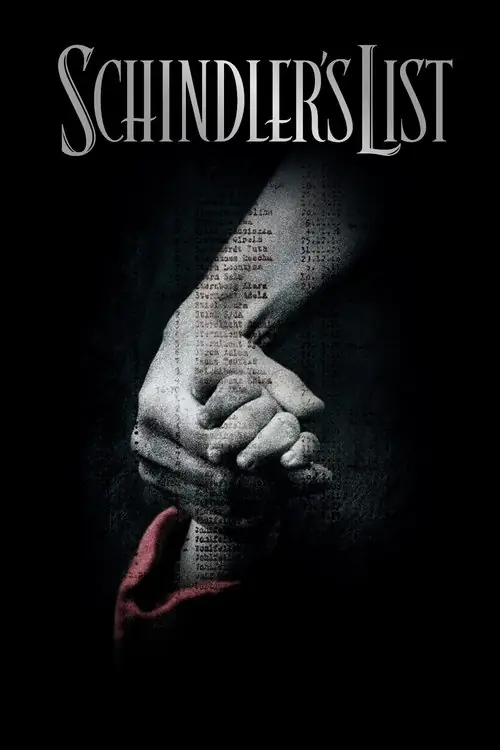
Few films in the history of cinema carry the moral weight of Steven Spielberg's black-and-white masterwork, a picture that confronts the twentieth century's darkest chapter with a gaze so unflinching that it transformed the possibilities of what commercial filmmaking could address and how. The story of Oskar Schindler — a war profiteer, opportunist, and womanizer who gradually, almost involuntarily, became the salvation for over a thousand souls marked for extermination — is presented not as a conventional hero's journey but as a study in the unpredictable, often bewildering mechanisms of conscience. That the film's power remains undiminished decades after its release is a testament to the rigor and honesty with which it approaches its impossible subject. Shot in luminous black and white by cinematographer Janusz Kaminski, the visual strategy serves purposes far beyond aesthetic homage. The absence of color denies the viewer the comfort of aesthetic distance; there is no beauty to soften the horror, no chromatic warmth to provide relief. Every frame exists in a register of stark moral clarity, where shadows and light become metaphors for the choices that define — or destroy — human character. The now-iconic glimpse of the girl in the red coat remains one of cinema's most devastating visual devices, a solitary splash of color that makes the surrounding monochrome feel not artistic but obscene, a world that has drained itself of everything that makes life recognizable. Liam Neeson's performance as Schindler charts a transformation so subtle it is nearly invisible in the moment. His charm never fully dissipates; his selfishness never entirely vanishes. What shifts, gradually and agonizingly, is the scope of his moral awareness — the slow, reluctant recognition that the machinery of profit he has exploited is also the machinery of annihilation, and that the one can be repurposed to subvert the other. Ralph Fiennes, as the psychopathic camp commandant Amon Goeth, creates a portrait of banal evil so precise and terrifying that it has become a cultural shorthand for the ordinary face of atrocity. The film's final scene, with its transition from dramatization to documentary as actual Schindlerjuden place stones on their savior's grave, collapses the distance between art and history in a gesture of devastating simplicity. It is a reminder that behind every statistic lies an irreducible individual life, and that the act of witnessing — however imperfect, however belated — carries its own form of moral obligation.
Few films in the history of cinema carry the moral weight of Steven Spielberg's black-and-white masterwork, a picture that confronts the twentieth century's darkest chapter with a gaze so unflinching that it transformed the possibilities of what commercial filmmaking could address and how. The story of Oskar Schindler — a war profiteer, opportunist, and womanizer who gradually, almost involuntarily, became the salvation for over a thousand souls marked for extermination — is presented not as a conventional hero's journey but as a study in the unpredictable, often bewildering mechanisms of conscience. That the film's power remains undiminished decades after its release is a testament to the rigor and honesty with which it approaches its impossible subject. Shot in luminous black and white by cinematographer Janusz Kaminski, the visual strategy serves purposes far beyond aesthetic homage. The absence of color denies the viewer the comfort of aesthetic distance; there is no beauty to soften the horror, no chromatic warmth to provide relief. Every frame exists in a register of stark moral clarity, where shadows and light become metaphors for the choices that define — or destroy — human character. The now-iconic glimpse of the girl in the red coat remains one of cinema's most devastating visual devices, a solitary splash of color that makes the surrounding monochrome feel not artistic but obscene, a world that has drained itself of everything that makes life recognizable. Liam Neeson's performance as Schindler charts a transformation so subtle it is nearly invisible in the moment. His charm never fully dissipates; his selfishness never entirely vanishes. What shifts, gradually and agonizingly, is the scope of his moral awareness — the slow, reluctant recognition that the machinery of profit he has exploited is also the machinery of annihilation, and that the one can be repurposed to subvert the other. Ralph Fiennes, as the psychopathic camp commandant Amon Goeth, creates a portrait of banal evil so precise and terrifying that it has become a cultural shorthand for the ordinary face of atrocity. The film's final scene, with its transition from dramatization to documentary as actual Schindlerjuden place stones on their savior's grave, collapses the distance between art and history in a gesture of devastating simplicity. It is a reminder that behind every statistic lies an irreducible individual life, and that the act of witnessing — however imperfect, however belated — carries its own form of moral obligation.
— Curator's log, recorded 2001±25 BCE
Cinema history is littered with love stories that captured the public imagination, but few have lingered in…
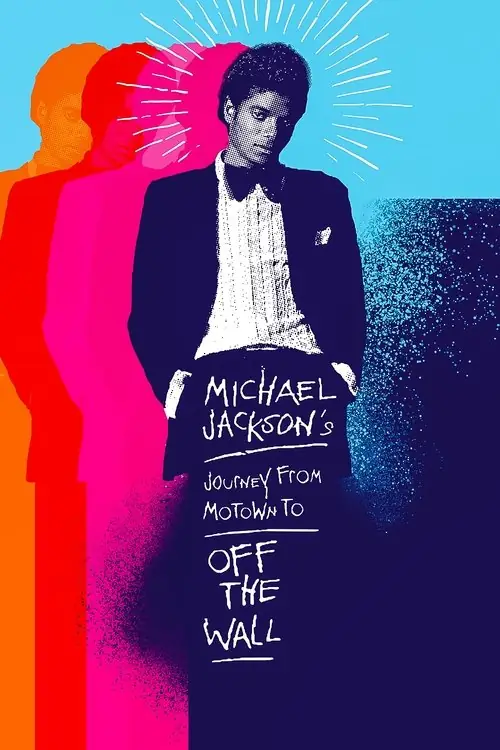
Spike Lee has never been a filmmaker content to remain within the boundaries of a single genre, and his…

Disaster cinema has long been a vessel for exploring how ordinary people comport themselves when the…

Nollywood has long demonstrated a particular fascination with the fault lines that class and status carve…