
Em Nar, la ciudad de fuego
Cinema that emerges from regions underrepresented in global distribution networks carries a particular burden…
137 min

A bruising existential drama that excavates the fragile architecture of masculine self-worth with surgical precision, this film charts the harrowing trajectory of a veteran paper mill manager whose identity has been so thoroughly colonized by his professional role that unemployment does not merely impoverish him—it annihilates him. The layoff, delivered with the impersonal brutality that characterizes contemporary labor practices, strips away not just income but the entire edifice of meaning he has constructed around his capacity to provide, to produce, to matter. What follows is not a story of resilience or reinvention but of disintegration—a man unraveling because the social fabric that held him together has been torn away and no alternative framework presents itself. The film's depiction of the job market as a theater of humiliation is lacerating in its specificity. Each interview becomes a ritual degradation, each rejection a confirmation of his deepest fear: that he was never truly valued, only temporarily useful. The director captures these encounters with an unblinking camera that refuses to grant the character the dignity of a cutaway, forcing the audience to inhabit the shame of a middle-aged man begging for work from people half his age who regard him with the detached concern one might show a malfunctioning appliance. The accumulation of these scenes builds toward an almost unbearable pressure that makes the protagonist's eventual turn toward violence feel not inevitable but comprehensible—a desperate lunge toward agency by a man who has been systematically stripped of every other means of exercising it. The lead performance is a tour de force of contained desperation, every gesture and vocal inflection communicating the effort required to maintain composure when the internal landscape is in freefall. The supporting characters—former colleagues, family members, strangers encountered in the purgatory of job-searching—are sketched with an economy that nonetheless conveys entire social ecosystems of indifference, pity, and quiet contempt. The cinematography mirrors the protagonist's psychological constriction, the frame tightening around him as his options narrow, the color palette draining as hope recedes. This is not a comfortable film, nor is it meant to be. It holds up an unsparing mirror to a socioeconomic order that measures human worth by productivity and discards those who can no longer produce, asking what remains of a man when everything he has been told defines him is taken away. The answer it provides is as disturbing as it is honest.
A bruising existential drama that excavates the fragile architecture of masculine self-worth with surgical precision, this film charts the harrowing trajectory of a veteran paper mill manager whose identity has been so thoroughly colonized by his professional role that unemployment does not merely impoverish him—it annihilates him. The layoff, delivered with the impersonal brutality that characterizes contemporary labor practices, strips away not just income but the entire edifice of meaning he has constructed around his capacity to provide, to produce, to matter. What follows is not a story of resilience or reinvention but of disintegration—a man unraveling because the social fabric that held him together has been torn away and no alternative framework presents itself. The film's depiction of the job market as a theater of humiliation is lacerating in its specificity. Each interview becomes a ritual degradation, each rejection a confirmation of his deepest fear: that he was never truly valued, only temporarily useful. The director captures these encounters with an unblinking camera that refuses to grant the character the dignity of a cutaway, forcing the audience to inhabit the shame of a middle-aged man begging for work from people half his age who regard him with the detached concern one might show a malfunctioning appliance. The accumulation of these scenes builds toward an almost unbearable pressure that makes the protagonist's eventual turn toward violence feel not inevitable but comprehensible—a desperate lunge toward agency by a man who has been systematically stripped of every other means of exercising it. The lead performance is a tour de force of contained desperation, every gesture and vocal inflection communicating the effort required to maintain composure when the internal landscape is in freefall. The supporting characters—former colleagues, family members, strangers encountered in the purgatory of job-searching—are sketched with an economy that nonetheless conveys entire social ecosystems of indifference, pity, and quiet contempt. The cinematography mirrors the protagonist's psychological constriction, the frame tightening around him as his options narrow, the color palette draining as hope recedes. This is not a comfortable film, nor is it meant to be. It holds up an unsparing mirror to a socioeconomic order that measures human worth by productivity and discards those who can no longer produce, asking what remains of a man when everything he has been told defines him is taken away. The answer it provides is as disturbing as it is honest.
— Curator's log, recorded 1972±25 BCE
Cinema that emerges from regions underrepresented in global distribution networks carries a particular burden…

Television movies derived from beloved series occupy an awkward cultural position — too often they function…
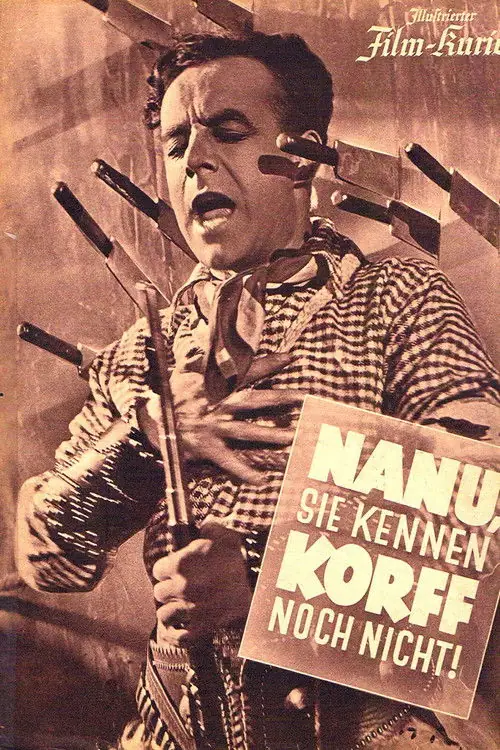
A delightful curio of postwar German comedy, this film emerges from the tradition of genial satire that…
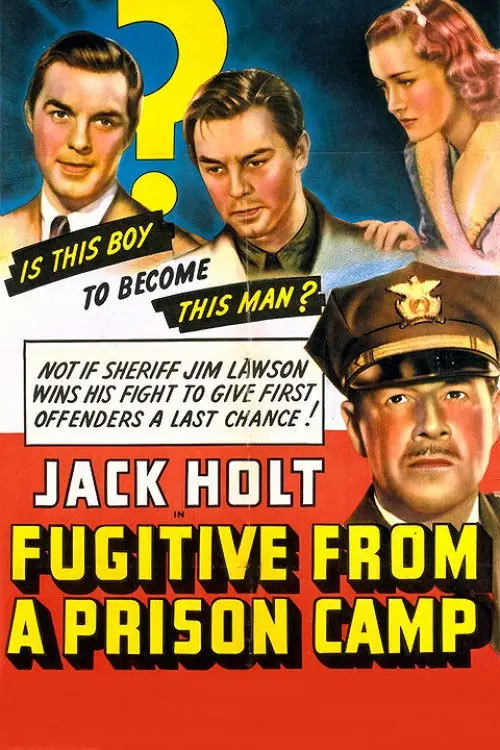
A fascinating artifact of mid-century penal reform discourse rendered as popular entertainment, this film…