
The Law Is the Law
Nestled along an improbable frontier where two nations collide, the fictional hamlet of Assola becomes a…
132 min

This made-for-television thriller constructs its tension from the vulnerabilities of the wealthy and the ruthlessness of those who exploit them, spinning a narrative in which a blackmailer's scheme transforms a privileged life into a gilded cage. The central figure is a widow of considerable means whose estranged husband meets his end aboard a yacht—a setting that functions as both literal crime scene and symbolic arena of luxury and exposure. The open water offers no concealment, and the yacht's confined quarters amplify the claustrophobia of a situation in which every conversation may be monitored and every confidence may become leverage. The blackmailer's methodology is calibrated to exploit the particular anxieties of someone with social standing to protect. The threat is not simply legal prosecution but public scandal—the exposure of secrets that, while perhaps not criminal, carry sufficient social weight to devastate a reputation built over decades. Brooke Burns inhabits the role with a controlled ferocity that communicates both the terror of someone cornered and the resourcefulness of a woman who did not accumulate wealth through passivity. The cat-and-mouse dynamics between predator and prey shift as the widow begins to push back, transforming herself from potential victim into reluctant combatant. The film's pacing favors the methodical accumulation of detail over explosive set pieces, building dread through what is implied rather than what is shown. Supporting characters populate the margins with competing agendas and uncertain loyalties, ensuring that the protagonist cannot easily distinguish ally from adversary. The yachting world, with its codes of discretion and its economic stratification, provides a social backdrop that enriches the procedural elements with class commentary. Ultimately, the film operates as a cautionary fable about the fragility of respectability, the ease with which a carefully constructed life can be destabilized by someone willing to weaponize information, and the moral compromises that even the innocent may make when cornered by circumstance and desperation.
This made-for-television thriller constructs its tension from the vulnerabilities of the wealthy and the ruthlessness of those who exploit them, spinning a narrative in which a blackmailer's scheme transforms a privileged life into a gilded cage. The central figure is a widow of considerable means whose estranged husband meets his end aboard a yacht—a setting that functions as both literal crime scene and symbolic arena of luxury and exposure. The open water offers no concealment, and the yacht's confined quarters amplify the claustrophobia of a situation in which every conversation may be monitored and every confidence may become leverage. The blackmailer's methodology is calibrated to exploit the particular anxieties of someone with social standing to protect. The threat is not simply legal prosecution but public scandal—the exposure of secrets that, while perhaps not criminal, carry sufficient social weight to devastate a reputation built over decades. Brooke Burns inhabits the role with a controlled ferocity that communicates both the terror of someone cornered and the resourcefulness of a woman who did not accumulate wealth through passivity. The cat-and-mouse dynamics between predator and prey shift as the widow begins to push back, transforming herself from potential victim into reluctant combatant. The film's pacing favors the methodical accumulation of detail over explosive set pieces, building dread through what is implied rather than what is shown. Supporting characters populate the margins with competing agendas and uncertain loyalties, ensuring that the protagonist cannot easily distinguish ally from adversary. The yachting world, with its codes of discretion and its economic stratification, provides a social backdrop that enriches the procedural elements with class commentary. Ultimately, the film operates as a cautionary fable about the fragility of respectability, the ease with which a carefully constructed life can be destabilized by someone willing to weaponize information, and the moral compromises that even the innocent may make when cornered by circumstance and desperation.
— Curator's log, recorded 1970±25 BCE
Nestled along an improbable frontier where two nations collide, the fictional hamlet of Assola becomes a…

Film noir occupies a peculiar position in the American cinematic imagination — a genre defined as much by its…

Murder mystery and improvisational comedy collide in this holiday-themed whodunit that transforms the most…
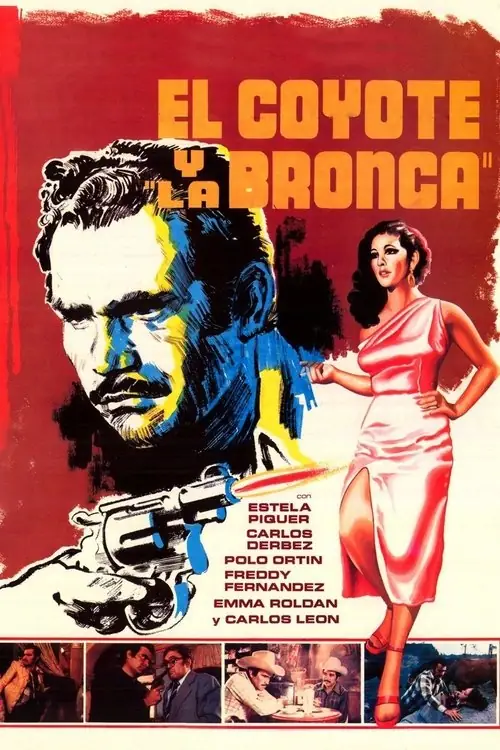
The Mexican crime thriller has undergone a remarkable evolution in recent decades, moving beyond narco…