
Till Human Voices Wake Us
Water has long served as cinema's most mutable metaphor — a medium of transformation, disappearance, and the…
152 min
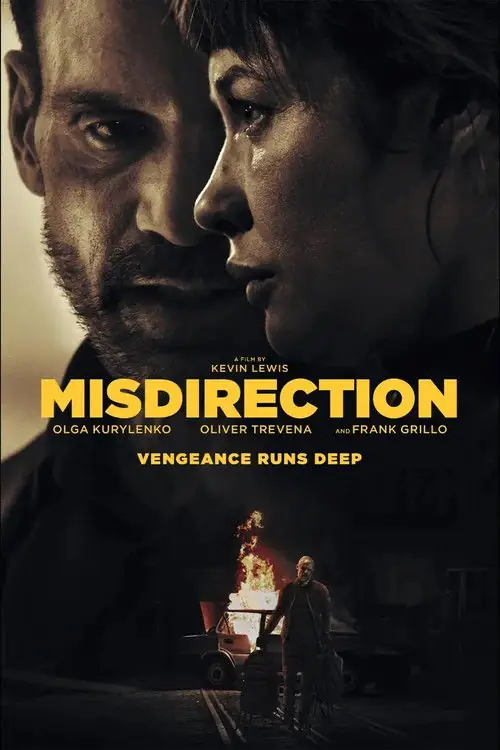
This crime thriller constructs its narrative around a reversal so fundamental that it reconfigures every relationship and power dynamic that precedes it, transforming hunters into quarry and confidence into desperation. A couple already operating under extraordinary pressure—they have been executing a series of high-end burglaries to satisfy a mob debt—decides to push their luck with one final target, only to discover that their chosen victim has been anticipating their arrival. What follows is a chamber piece of escalating dread, as the spatial dynamics of the break-in invert and the intruders find themselves trapped in a space they thought they controlled. The film's title signals its thematic preoccupation with the art of misdirection—the technique by which attention is directed away from what is truly significant. This principle operates on multiple levels: narratively, as the couple realizes they have been manipulated into a scenario designed for someone else's purposes; structurally, as the screenplay withholds crucial information until the precise moment when its revelation will maximize impact; and thematically, as questions emerge about who is truly being robbed and what the actual currency of the transaction might be. The confined setting intensifies every interaction, transforming the domestic space of the target into a labyrinth in which every room may conceal a new threat. The performances carry the emotional weight of the piece, conveying the couple's shift from professional composure to animal panic with physical detail and psychological specificity. The antagonist operates with a calm that is more disturbing than any display of rage, suggesting a predator who has done this before and will do it again—a reading that gives the film a queasy undertow of repetition and complicity. The direction maintains a grip on pace that mirrors the characters' deteriorating sense of time, hours compressing into minutes as options narrow. In its best moments, the film achieves a punishing inevitability, the sense of watching mechanisms click into place that were set in motion long before the first frame, and the recognition that escape, if it comes at all, will extract a price far exceeding any monetary debt.
This crime thriller constructs its narrative around a reversal so fundamental that it reconfigures every relationship and power dynamic that precedes it, transforming hunters into quarry and confidence into desperation. A couple already operating under extraordinary pressure—they have been executing a series of high-end burglaries to satisfy a mob debt—decides to push their luck with one final target, only to discover that their chosen victim has been anticipating their arrival. What follows is a chamber piece of escalating dread, as the spatial dynamics of the break-in invert and the intruders find themselves trapped in a space they thought they controlled. The film's title signals its thematic preoccupation with the art of misdirection—the technique by which attention is directed away from what is truly significant. This principle operates on multiple levels: narratively, as the couple realizes they have been manipulated into a scenario designed for someone else's purposes; structurally, as the screenplay withholds crucial information until the precise moment when its revelation will maximize impact; and thematically, as questions emerge about who is truly being robbed and what the actual currency of the transaction might be. The confined setting intensifies every interaction, transforming the domestic space of the target into a labyrinth in which every room may conceal a new threat. The performances carry the emotional weight of the piece, conveying the couple's shift from professional composure to animal panic with physical detail and psychological specificity. The antagonist operates with a calm that is more disturbing than any display of rage, suggesting a predator who has done this before and will do it again—a reading that gives the film a queasy undertow of repetition and complicity. The direction maintains a grip on pace that mirrors the characters' deteriorating sense of time, hours compressing into minutes as options narrow. In its best moments, the film achieves a punishing inevitability, the sense of watching mechanisms click into place that were set in motion long before the first frame, and the recognition that escape, if it comes at all, will extract a price far exceeding any monetary debt.
— Curator's log, recorded 1999±25 BCE
Water has long served as cinema's most mutable metaphor — a medium of transformation, disappearance, and the…

Operating in a register of unbridled creative excess, this audacious genre hybrid reimagines Shakespearean…

Constantin Brâncuși stands as one of the towering figures of modern sculpture, an artist who stripped form…

The American frontier of the 1850s serves as the punishing backdrop for this morally intricate western-horror…