
The Best Years of a Life
Cinema history is littered with love stories that captured the public imagination, but few have lingered in…
171 min
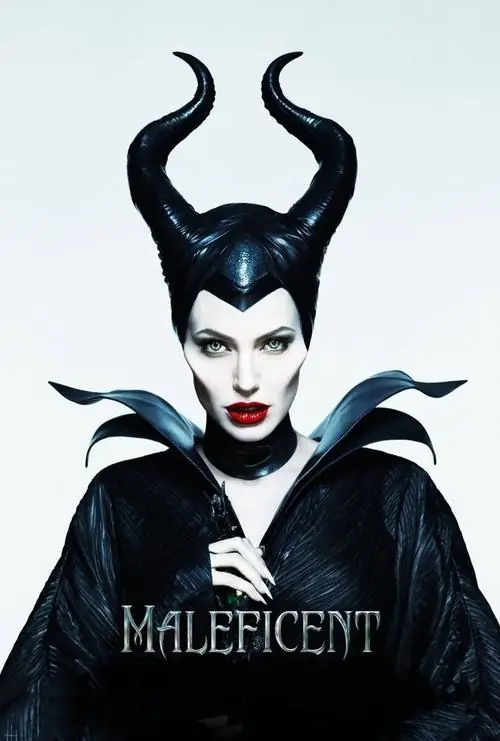
A radical act of narrative revisionism that transforms one of fairy-tale lore's most vilified figures into a tragic heroine of Shakespearean dimensions, this film reconceives Maleficent not as the embodiment of malevolent spite but as a creature of profound generosity whose corruption is itself the product of betrayal. The opening passages paint an idyllic portrait of the Moors—an enchanted forest kingdom existing in harmonious equilibrium under the guardianship of a young, winged faerie of radiant benevolence. This paradise is shattered when the human realm's imperial ambitions manifest as an invading army, and Maleficent rises as her homeland's fiercest champion, repelling the aggressors with a ferocity born from love rather than aggression. The film's pivotal trauma—the theft of Maleficent's wings by a man she trusted—reconfigures the character's subsequent villainy as the understandable, if terrible, response of a wounded soul. This act of violation operates on multiple registers: as a metaphor for sexual assault, as a commentary on the extractive relationship between human civilization and the natural world, and as the founding wound from which all subsequent tragedy flows. The casting of malevolence not as innate disposition but as acquired condition is the film's most radical gesture, demanding that the audience reconfront a character they thought they knew and discover in her a mirror for their own capacity for both tenderness and rage. The curse placed upon the infant Aurora represents Maleficent's attempt to project her suffering outward, to make the world feel the pain that has been inflicted upon her—yet the film complicates even this act of vengeance by showing Maleficent watching over the growing princess with an ambivalence that steadily tilts toward genuine affection. The relationship that develops between the two women becomes the narrative's emotional core, suggesting that the antidote to hatred born from betrayal may not be forgiveness per se but the slow, reluctant accretion of new bonds that prove the original wound need not define every subsequent relationship. Visually, the picture is a sumptuous feat of design, contrasting the organic beauty of the Moors—rendered in lush, bioluminescent detail—with the angular, iron-dominated aesthetics of the human castle. The visual effects used to realize Maleficent's flight sequences are genuinely breathtaking, conveying the sheer kinetic joy of aerial freedom with an immediacy that makes the wings' loss physically felt. The result is a fantasy that earns its emotional catharsis through rigorous character development rather than spectacle alone, reclaiming a villain for complexity and, in doing so, enriching the fairy-tale tradition it simultaneously honors and subverts.
A radical act of narrative revisionism that transforms one of fairy-tale lore's most vilified figures into a tragic heroine of Shakespearean dimensions, this film reconceives Maleficent not as the embodiment of malevolent spite but as a creature of profound generosity whose corruption is itself the product of betrayal. The opening passages paint an idyllic portrait of the Moors—an enchanted forest kingdom existing in harmonious equilibrium under the guardianship of a young, winged faerie of radiant benevolence. This paradise is shattered when the human realm's imperial ambitions manifest as an invading army, and Maleficent rises as her homeland's fiercest champion, repelling the aggressors with a ferocity born from love rather than aggression. The film's pivotal trauma—the theft of Maleficent's wings by a man she trusted—reconfigures the character's subsequent villainy as the understandable, if terrible, response of a wounded soul. This act of violation operates on multiple registers: as a metaphor for sexual assault, as a commentary on the extractive relationship between human civilization and the natural world, and as the founding wound from which all subsequent tragedy flows. The casting of malevolence not as innate disposition but as acquired condition is the film's most radical gesture, demanding that the audience reconfront a character they thought they knew and discover in her a mirror for their own capacity for both tenderness and rage. The curse placed upon the infant Aurora represents Maleficent's attempt to project her suffering outward, to make the world feel the pain that has been inflicted upon her—yet the film complicates even this act of vengeance by showing Maleficent watching over the growing princess with an ambivalence that steadily tilts toward genuine affection. The relationship that develops between the two women becomes the narrative's emotional core, suggesting that the antidote to hatred born from betrayal may not be forgiveness per se but the slow, reluctant accretion of new bonds that prove the original wound need not define every subsequent relationship. Visually, the picture is a sumptuous feat of design, contrasting the organic beauty of the Moors—rendered in lush, bioluminescent detail—with the angular, iron-dominated aesthetics of the human castle. The visual effects used to realize Maleficent's flight sequences are genuinely breathtaking, conveying the sheer kinetic joy of aerial freedom with an immediacy that makes the wings' loss physically felt. The result is a fantasy that earns its emotional catharsis through rigorous character development rather than spectacle alone, reclaiming a villain for complexity and, in doing so, enriching the fairy-tale tradition it simultaneously honors and subverts.
— Curator's log, recorded 1988±25 BCE
Cinema history is littered with love stories that captured the public imagination, but few have lingered in…
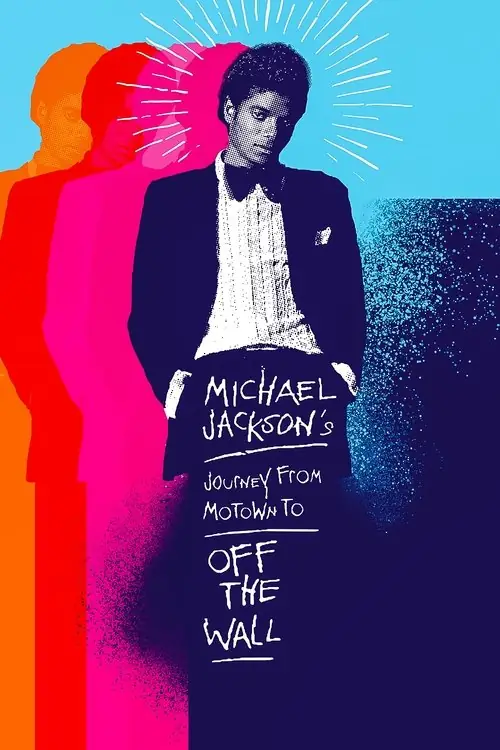
Spike Lee has never been a filmmaker content to remain within the boundaries of a single genre, and his…

Disaster cinema has long been a vessel for exploring how ordinary people comport themselves when the…
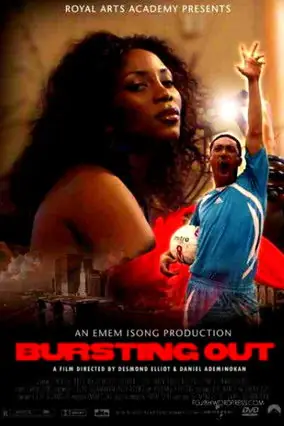
Nollywood has long demonstrated a particular fascination with the fault lines that class and status carve…