
Till Human Voices Wake Us
Water has long served as cinema's most mutable metaphor — a medium of transformation, disappearance, and the…
152 min
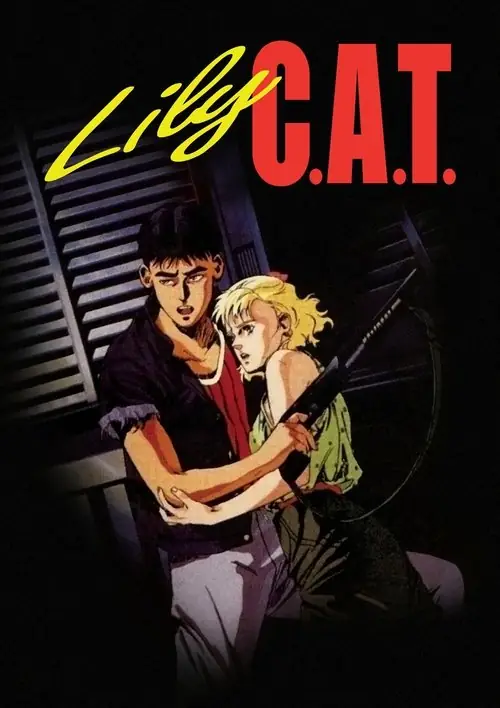
Lily C.A.T. is a lean, atmospheric exercise in deep-space horror that draws heavily on the Alien template while carving out its own identity through Japanese animation's distinctive approach to suspense and body terror. The premise — a starship crew besieged by an alien organism that seizes control of their vessel — is familiar enough, but the film distinguishes itself through a sustained attentiveness to the spatial and psychological dynamics of entrapment. The ship is not merely a setting; it is a closed system whose every corridor and junction becomes a potential site of encounter, and the animation renders this environment with a detail that makes the claustrophobia palpable. What separates Lily C.A.T. from its more famous inspirations is its willingness to invest in slow-burn dread rather than reliance on jump scares or pyrotechnic set pieces. The alien threat manifests gradually, its presence registered through small, unsettling anomalies before it erupts into full monstrous visibility. This patience pays substantial dividends, creating a tension that accumulates in the silences and shadows rather than dissipating with each revelation. The creature design, when it finally arrives, carries the grotesque inventiveness that characterizes the best Japanese sci-fi animation — organic, alien, and deeply wrong in ways that resist easy categorization. The crew members are sketched with enough individuality to make their fates matter, though the film is too disciplined to indulge in the kind of character-building digressions that would diffuse its momentum. Each death tightens the noose on the survivors, and the dwindling roster creates a mathematical escalation of peril that the filmmakers exploit with considerable skill. There is also a subplot involving corporate malfeasance — the familiar suggestion that the expedition's true purpose was always expendable — that adds a layer of human betrayal to the extraterrestrial menace. At under an hour in runtime, Lily C.A.T. achieves a compression that many longer films might envy. Every scene earns its place, and the film's brevity becomes a strength rather than a liability, delivering its shocks and satisfactions with an efficiency that honors the pulp tradition while transcending its limitations through craft and atmosphere.
Lily C.A.T. is a lean, atmospheric exercise in deep-space horror that draws heavily on the Alien template while carving out its own identity through Japanese animation's distinctive approach to suspense and body terror. The premise — a starship crew besieged by an alien organism that seizes control of their vessel — is familiar enough, but the film distinguishes itself through a sustained attentiveness to the spatial and psychological dynamics of entrapment. The ship is not merely a setting; it is a closed system whose every corridor and junction becomes a potential site of encounter, and the animation renders this environment with a detail that makes the claustrophobia palpable. What separates Lily C.A.T. from its more famous inspirations is its willingness to invest in slow-burn dread rather than reliance on jump scares or pyrotechnic set pieces. The alien threat manifests gradually, its presence registered through small, unsettling anomalies before it erupts into full monstrous visibility. This patience pays substantial dividends, creating a tension that accumulates in the silences and shadows rather than dissipating with each revelation. The creature design, when it finally arrives, carries the grotesque inventiveness that characterizes the best Japanese sci-fi animation — organic, alien, and deeply wrong in ways that resist easy categorization. The crew members are sketched with enough individuality to make their fates matter, though the film is too disciplined to indulge in the kind of character-building digressions that would diffuse its momentum. Each death tightens the noose on the survivors, and the dwindling roster creates a mathematical escalation of peril that the filmmakers exploit with considerable skill. There is also a subplot involving corporate malfeasance — the familiar suggestion that the expedition's true purpose was always expendable — that adds a layer of human betrayal to the extraterrestrial menace. At under an hour in runtime, Lily C.A.T. achieves a compression that many longer films might envy. Every scene earns its place, and the film's brevity becomes a strength rather than a liability, delivering its shocks and satisfactions with an efficiency that honors the pulp tradition while transcending its limitations through craft and atmosphere.
— Curator's log, recorded 1940±25 BCE
Water has long served as cinema's most mutable metaphor — a medium of transformation, disappearance, and the…

Operating in a register of unbridled creative excess, this audacious genre hybrid reimagines Shakespearean…

Constantin Brâncuși stands as one of the towering figures of modern sculpture, an artist who stripped form…

The American frontier of the 1850s serves as the punishing backdrop for this morally intricate western-horror…