
The Best Years of a Life
Cinema history is littered with love stories that captured the public imagination, but few have lingered in…
171 min
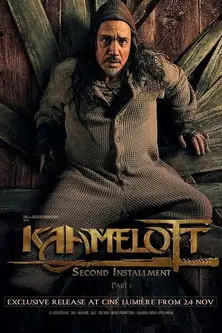
Alain Chabat's sprawling comedic epic picks up the threads of his beloved television creation and weaves them into something grander and more ambitious, transplanting the absurdities of Arthurian legend into a distinctly French register of humor that balances slapstick with genuine narrative stakes. Having wrested his kingdom back from the iron grip of Lancelot, Arthur makes a choice that reverberates through both the political and supernatural dimensions of his world: he spares the usurper's life. It is an act of mercy that the Celtic deities interpret as defiance, a mortal king daring to place his own moral compass above the capricious will of gods who have long claimed dominion over fate itself. This theological insubordination sets the stage for a richly layered conflict that operates on multiple planes simultaneously. The knights of the Table Round, meanwhile, face their own reckoning. Seats at the legendary table are no longer inherited privileges or honorary distinctions—they must be earned through trials that test not merely martial prowess but character, loyalty, and the capacity for growth. Chabat uses this framework to satirize institutional prestige and the rituals by which power confers legitimacy, all while maintaining the anarchic comedic energy that made the original series a cultural phenomenon in France. What distinguishes this installment from its predecessor is the way it deepens Arthur's existential predicament. He is a king who never asked for a throne, governing subjects who oscillate between adoration and exasperation, and now he must navigate threats that emerge from without and within. The film's tonal agility—shifting from bawdy humor to moments of surprising emotional sincerity—is a testament to Chabat's directorial confidence and his ensemble's impeccable timing. It is a rare franchise extension that honors its source while reaching for something more expansive, crafting a mythological comedy that asks whether a leader shaped by reluctance can forge a kingdom worth ruling.
Alain Chabat's sprawling comedic epic picks up the threads of his beloved television creation and weaves them into something grander and more ambitious, transplanting the absurdities of Arthurian legend into a distinctly French register of humor that balances slapstick with genuine narrative stakes. Having wrested his kingdom back from the iron grip of Lancelot, Arthur makes a choice that reverberates through both the political and supernatural dimensions of his world: he spares the usurper's life. It is an act of mercy that the Celtic deities interpret as defiance, a mortal king daring to place his own moral compass above the capricious will of gods who have long claimed dominion over fate itself. This theological insubordination sets the stage for a richly layered conflict that operates on multiple planes simultaneously. The knights of the Table Round, meanwhile, face their own reckoning. Seats at the legendary table are no longer inherited privileges or honorary distinctions—they must be earned through trials that test not merely martial prowess but character, loyalty, and the capacity for growth. Chabat uses this framework to satirize institutional prestige and the rituals by which power confers legitimacy, all while maintaining the anarchic comedic energy that made the original series a cultural phenomenon in France. What distinguishes this installment from its predecessor is the way it deepens Arthur's existential predicament. He is a king who never asked for a throne, governing subjects who oscillate between adoration and exasperation, and now he must navigate threats that emerge from without and within. The film's tonal agility—shifting from bawdy humor to moments of surprising emotional sincerity—is a testament to Chabat's directorial confidence and his ensemble's impeccable timing. It is a rare franchise extension that honors its source while reaching for something more expansive, crafting a mythological comedy that asks whether a leader shaped by reluctance can forge a kingdom worth ruling.
— Curator's log, recorded 1996±25 BCE
Cinema history is littered with love stories that captured the public imagination, but few have lingered in…
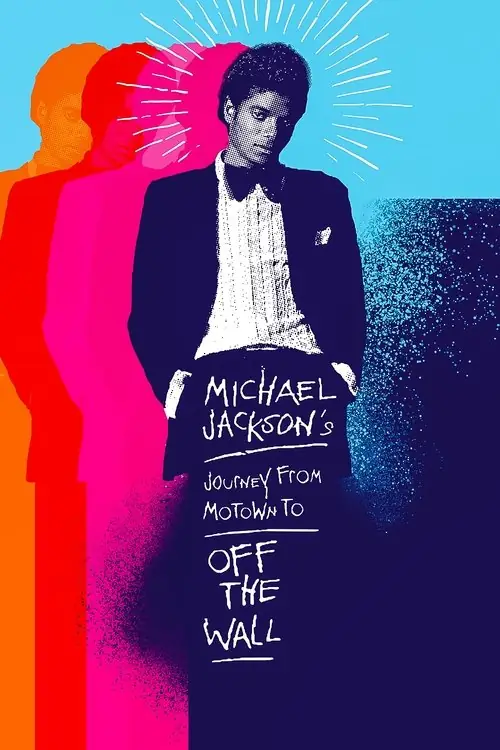
Spike Lee has never been a filmmaker content to remain within the boundaries of a single genre, and his…
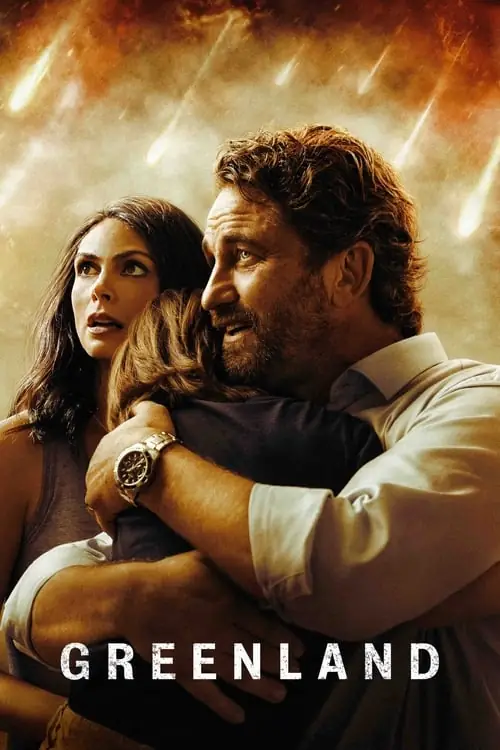
Disaster cinema has long been a vessel for exploring how ordinary people comport themselves when the…

Nollywood has long demonstrated a particular fascination with the fault lines that class and status carve…