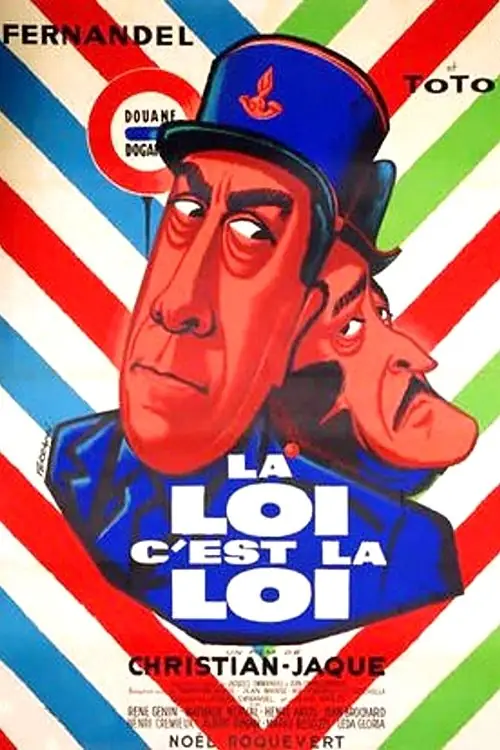
The Law Is the Law
Nestled along an improbable frontier where two nations collide, the fictional hamlet of Assola becomes a…
132 min
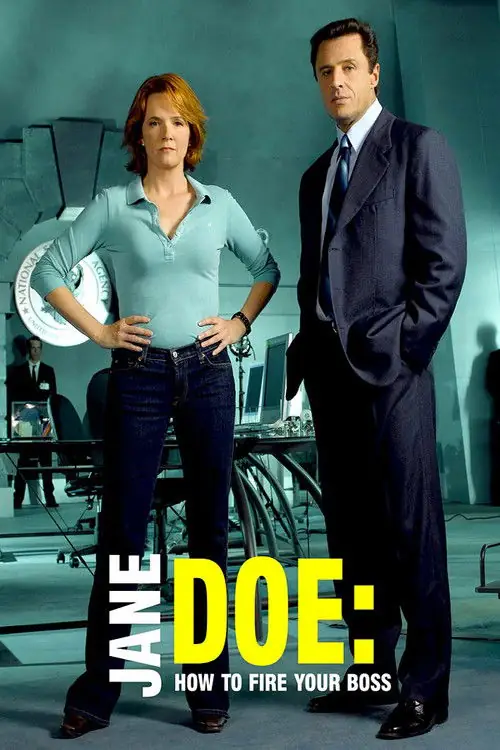
The made-for-television mystery has its own distinctive grammar — a reliance on character-driven plotting, a preference for deduction over spectacle, and a tone that balances procedural mechanics with a cozy watchability that invites rather than demands the audience's attention. This entry in the Jane Doe franchise exemplifies those qualities while introducing a premise that raises the stakes considerably: when fellow agents of the Central Security Agency become targets of a systematic killer, the investigation carries a personal dimension that transforms it from professional obligation into something closer to righteous fury. Kathy's dual identity — suburban mother Cathy Davis and government operative Jane Doe — provides the franchise with its foundational tension, and this installment exploits that duality with particular effectiveness. The professional sphere has been violated; a colleague's murder is not merely a case to be solved but an affront to the community she inhabits when she sheds her domestic persona. The film draws a quiet but unmistakable parallel between the protective instincts that govern her family life and the ones that drive her pursuit of the killer, suggesting that the line between her two selves is less a partition than a membrane, permeable in both directions. The investigative sequences unfold with the methodical rhythm the genre demands — evidence gathered, suspects interviewed, deductions refined — but the screenplay invests these familiar beats with urgency by making the stakes cumulative. Each new victim narrows the circle, and the possibility that Jane herself may be on the killer's list introduces an undercurrent of vulnerability that complicates her customary competence. She remains formidable throughout, but the film allows glimpses of a woman contending with fear rather than simply outsmarting it, and those moments of exposure give the performance a dimension that elevates it above standard television mystery fare. The resolution adheres to the genre's requirement for logical coherence — clues planted early pay off satisfyingly, and the killer's motivation, when revealed, carries a plausibility that respects the audience's intelligence. What distinguishes the film is not its plotting, which is competent rather than revelatory, but the conviction with which it inhabits its protagonist's perspective, treating her intelligence, resourcefulness, and emotional complexity as givens rather than exceptions requiring explanation or apology.
The made-for-television mystery has its own distinctive grammar — a reliance on character-driven plotting, a preference for deduction over spectacle, and a tone that balances procedural mechanics with a cozy watchability that invites rather than demands the audience's attention. This entry in the Jane Doe franchise exemplifies those qualities while introducing a premise that raises the stakes considerably: when fellow agents of the Central Security Agency become targets of a systematic killer, the investigation carries a personal dimension that transforms it from professional obligation into something closer to righteous fury. Kathy's dual identity — suburban mother Cathy Davis and government operative Jane Doe — provides the franchise with its foundational tension, and this installment exploits that duality with particular effectiveness. The professional sphere has been violated; a colleague's murder is not merely a case to be solved but an affront to the community she inhabits when she sheds her domestic persona. The film draws a quiet but unmistakable parallel between the protective instincts that govern her family life and the ones that drive her pursuit of the killer, suggesting that the line between her two selves is less a partition than a membrane, permeable in both directions. The investigative sequences unfold with the methodical rhythm the genre demands — evidence gathered, suspects interviewed, deductions refined — but the screenplay invests these familiar beats with urgency by making the stakes cumulative. Each new victim narrows the circle, and the possibility that Jane herself may be on the killer's list introduces an undercurrent of vulnerability that complicates her customary competence. She remains formidable throughout, but the film allows glimpses of a woman contending with fear rather than simply outsmarting it, and those moments of exposure give the performance a dimension that elevates it above standard television mystery fare. The resolution adheres to the genre's requirement for logical coherence — clues planted early pay off satisfyingly, and the killer's motivation, when revealed, carries a plausibility that respects the audience's intelligence. What distinguishes the film is not its plotting, which is competent rather than revelatory, but the conviction with which it inhabits its protagonist's perspective, treating her intelligence, resourcefulness, and emotional complexity as givens rather than exceptions requiring explanation or apology.
— Curator's log, recorded 1976±25 BCE
Nestled along an improbable frontier where two nations collide, the fictional hamlet of Assola becomes a…

Film noir occupies a peculiar position in the American cinematic imagination — a genre defined as much by its…
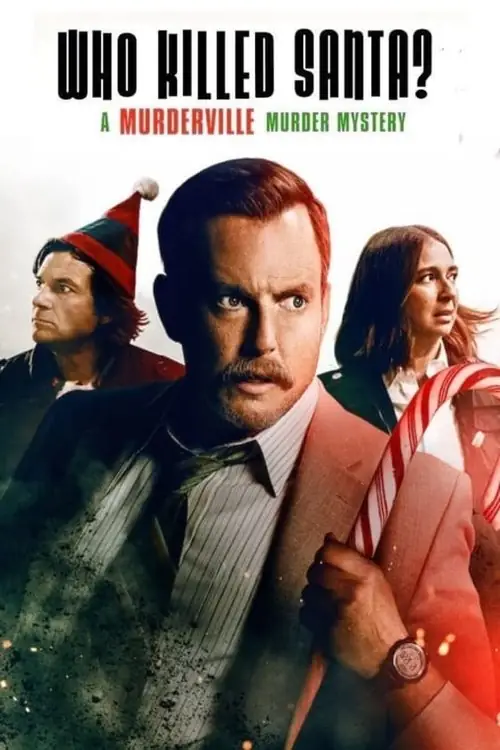
Murder mystery and improvisational comedy collide in this holiday-themed whodunit that transforms the most…
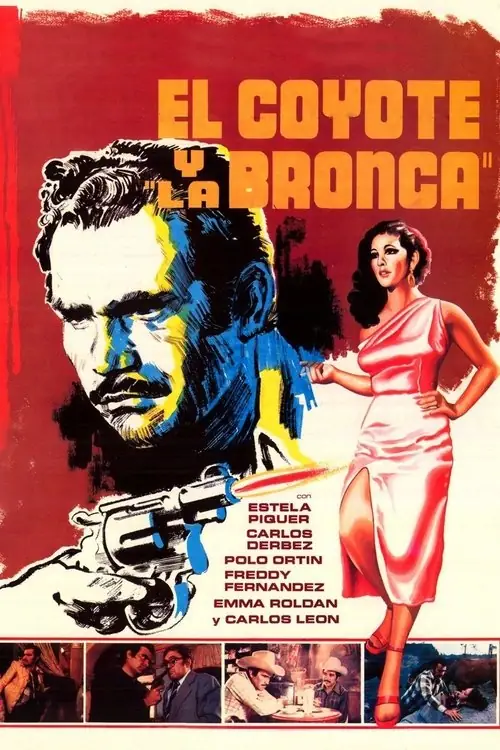
The Mexican crime thriller has undergone a remarkable evolution in recent decades, moving beyond narco…