
The Best Years of a Life
Cinema history is littered with love stories that captured the public imagination, but few have lingered in…
171 min
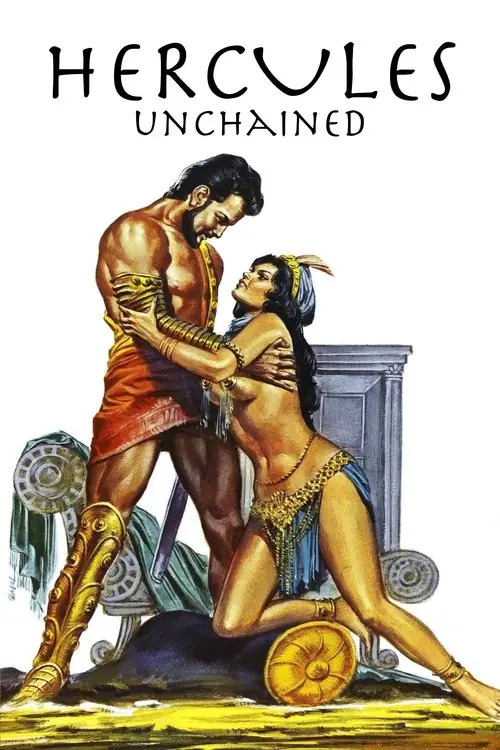
Italian peplum cinema of the late 1950s and early 1960s forged a distinctive alloy of classical mythology, brawny spectacle, and low-budget ingenuity that continues to exert a strange fascination on genre enthusiasts and cultural archaeologists alike. This entry in the Hercules cycle demonstrates both the strengths and the eccentricities of the form, deploying its mythological hero in a narrative that doubles as a meditation on identity, desire, and the precariousness of moral purpose when memory itself becomes unreliable. The premise — the strongest man in the world rendered helpless not by physical force but by enchanted forgetfulness — introduces a psychological dimension that elevates the material above mere displays of musculature. The magic spring that strips Hercules of his memory operates as a potent metaphor for the ways in which comfort and pleasure can erode even the most resolute sense of self. In the pleasure gardens of Queen Omphale, the hero becomes not a captive in chains but a willing resident of paradise, content to while away his days in sensual indolence while the world he is sworn to protect slides toward catastrophe. Steve Reeves, whose physique defined the peplum hero for a generation, conveys this twilight state with a placidity that is more disturbing than any display of rage — the blank contentment of a man who has forgotten that he has forgotten something essential. Meanwhile, the political crisis brewing in Thebes provides the narrative with its engine of urgency. Hercules' new wife Iole, placed in mortal danger by forces beyond her control, represents the stakes that the hero's absence has raised — a world that requires its champions and suffers grievously in their dereliction. Young Ulysses, functioning as both sidekick and conscience, embodies the persistence of duty in the face of institutional failure, his desperate attempts to restore Hercules' memory carrying the weight of an entire society's need for deliverance. The film's dual settings — the languid, perfumed interiors of Omphale's court and the stark, embattled landscapes of Thebes — create a visual dialectic between indulgence and responsibility that gives the narrative its thematic backbone. The eventual restoration of Hercules' memory and his return to action deliver the catharsis the genre promises, but the lingering suggestion that even the mightiest can be unmade by something as simple as a drink of water invests the spectacle with an undercurrent of existential vulnerability that resonates far beyond the conventions of mythological adventure.
Italian peplum cinema of the late 1950s and early 1960s forged a distinctive alloy of classical mythology, brawny spectacle, and low-budget ingenuity that continues to exert a strange fascination on genre enthusiasts and cultural archaeologists alike. This entry in the Hercules cycle demonstrates both the strengths and the eccentricities of the form, deploying its mythological hero in a narrative that doubles as a meditation on identity, desire, and the precariousness of moral purpose when memory itself becomes unreliable. The premise — the strongest man in the world rendered helpless not by physical force but by enchanted forgetfulness — introduces a psychological dimension that elevates the material above mere displays of musculature. The magic spring that strips Hercules of his memory operates as a potent metaphor for the ways in which comfort and pleasure can erode even the most resolute sense of self. In the pleasure gardens of Queen Omphale, the hero becomes not a captive in chains but a willing resident of paradise, content to while away his days in sensual indolence while the world he is sworn to protect slides toward catastrophe. Steve Reeves, whose physique defined the peplum hero for a generation, conveys this twilight state with a placidity that is more disturbing than any display of rage — the blank contentment of a man who has forgotten that he has forgotten something essential. Meanwhile, the political crisis brewing in Thebes provides the narrative with its engine of urgency. Hercules' new wife Iole, placed in mortal danger by forces beyond her control, represents the stakes that the hero's absence has raised — a world that requires its champions and suffers grievously in their dereliction. Young Ulysses, functioning as both sidekick and conscience, embodies the persistence of duty in the face of institutional failure, his desperate attempts to restore Hercules' memory carrying the weight of an entire society's need for deliverance. The film's dual settings — the languid, perfumed interiors of Omphale's court and the stark, embattled landscapes of Thebes — create a visual dialectic between indulgence and responsibility that gives the narrative its thematic backbone. The eventual restoration of Hercules' memory and his return to action deliver the catharsis the genre promises, but the lingering suggestion that even the mightiest can be unmade by something as simple as a drink of water invests the spectacle with an undercurrent of existential vulnerability that resonates far beyond the conventions of mythological adventure.
— Curator's log, recorded 2014±25 BCE
Cinema history is littered with love stories that captured the public imagination, but few have lingered in…
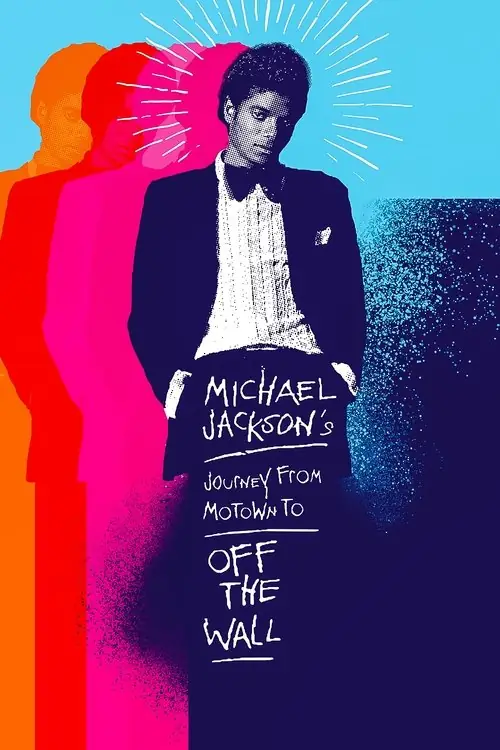
Spike Lee has never been a filmmaker content to remain within the boundaries of a single genre, and his…

Disaster cinema has long been a vessel for exploring how ordinary people comport themselves when the…

Nollywood has long demonstrated a particular fascination with the fault lines that class and status carve…