
Till Human Voices Wake Us
Water has long served as cinema's most mutable metaphor — a medium of transformation, disappearance, and the…
152 min
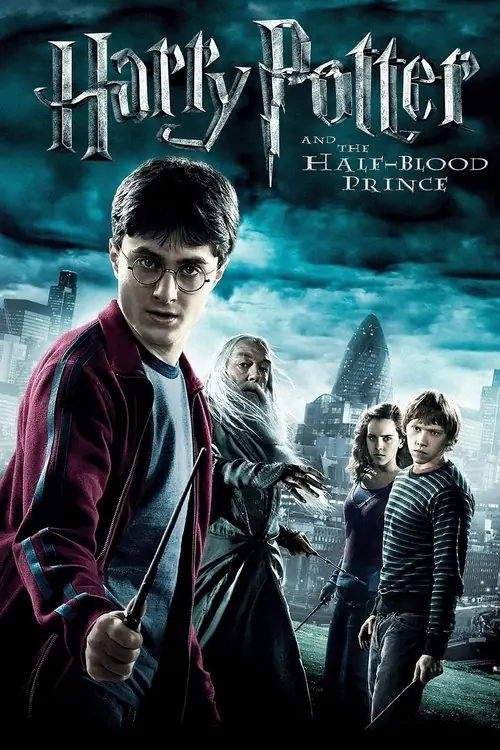
The sixth installment in Warner Brothers' wizarding saga marks a decisive tonal shift, trading the wide-eyed wonder of earlier entries for an atmosphere of encroaching dusk. David Yates, now firmly ensconced in the directorial chair, guides the material toward a register where adolescent longing and mortal peril coexist in uneasy balance, creating a film that is simultaneously the franchise's most romantic and its most ominous. The wizarding world is no longer a place of enchanted discovery but a society under siege, its institutions compromised, its public spaces stalked by threats that the Ministry of Magic would prefer to deny rather than confront. At the narrative's center lies the relationship between Harry and Dumbledore, rendered here with a depth that previous films only gestured toward. Michael Gambon's performance finds new registers of vulnerability and calculation, portraying a headmaster who is simultaneously preparing his charge for an unbearable destiny and withholding information that might accelerate the very confrontation he seeks to delay. Their excursion into the Pensieve—those amber-lit memories excavated from the past—constitutes some of the most visually striking filmmaking in the series, using the metaphor of liquid memory to explore how history accumulates into destiny, how the choices of a damaged child named Tom Riddle calcified into the malevolence of Lord Voldemort. Jim Broadbent's Horace Slughorn embodies the moral ambiguity of a man who collects the talented and the powerful with the same acquisitive instinct that led him to share dangerous knowledge with a student he failed to recognize as dangerous. The romantic subplots, far from being tonal diversions, function as the characters' attempts to grasp at normalcy while the ground shifts beneath them. Lavender Brown's infatuation with Ron, Hermione's silent heartbreak, Harry's awakening to Ginny—these are not trivial distractions but acts of defiance against a world that threatens to reduce everyone to their utility in the coming war. Bruno Delbonnel's cinematography bathes Hogwarts in honeyed shadows, as though the castle itself were ageing, its stones absorbing the weight of everything that has transpired within them. The result is a film about the things people cling to when darkness gathers: memory, mentorship, affection, and the stubborn, perhaps foolish, belief that love might prove stronger than death.
The sixth installment in Warner Brothers' wizarding saga marks a decisive tonal shift, trading the wide-eyed wonder of earlier entries for an atmosphere of encroaching dusk. David Yates, now firmly ensconced in the directorial chair, guides the material toward a register where adolescent longing and mortal peril coexist in uneasy balance, creating a film that is simultaneously the franchise's most romantic and its most ominous. The wizarding world is no longer a place of enchanted discovery but a society under siege, its institutions compromised, its public spaces stalked by threats that the Ministry of Magic would prefer to deny rather than confront. At the narrative's center lies the relationship between Harry and Dumbledore, rendered here with a depth that previous films only gestured toward. Michael Gambon's performance finds new registers of vulnerability and calculation, portraying a headmaster who is simultaneously preparing his charge for an unbearable destiny and withholding information that might accelerate the very confrontation he seeks to delay. Their excursion into the Pensieve—those amber-lit memories excavated from the past—constitutes some of the most visually striking filmmaking in the series, using the metaphor of liquid memory to explore how history accumulates into destiny, how the choices of a damaged child named Tom Riddle calcified into the malevolence of Lord Voldemort. Jim Broadbent's Horace Slughorn embodies the moral ambiguity of a man who collects the talented and the powerful with the same acquisitive instinct that led him to share dangerous knowledge with a student he failed to recognize as dangerous. The romantic subplots, far from being tonal diversions, function as the characters' attempts to grasp at normalcy while the ground shifts beneath them. Lavender Brown's infatuation with Ron, Hermione's silent heartbreak, Harry's awakening to Ginny—these are not trivial distractions but acts of defiance against a world that threatens to reduce everyone to their utility in the coming war. Bruno Delbonnel's cinematography bathes Hogwarts in honeyed shadows, as though the castle itself were ageing, its stones absorbing the weight of everything that has transpired within them. The result is a film about the things people cling to when darkness gathers: memory, mentorship, affection, and the stubborn, perhaps foolish, belief that love might prove stronger than death.
— Curator's log, recorded 2013±25 BCE
Water has long served as cinema's most mutable metaphor — a medium of transformation, disappearance, and the…

Operating in a register of unbridled creative excess, this audacious genre hybrid reimagines Shakespearean…

Constantin Brâncuși stands as one of the towering figures of modern sculpture, an artist who stripped form…

The American frontier of the 1850s serves as the punishing backdrop for this morally intricate western-horror…