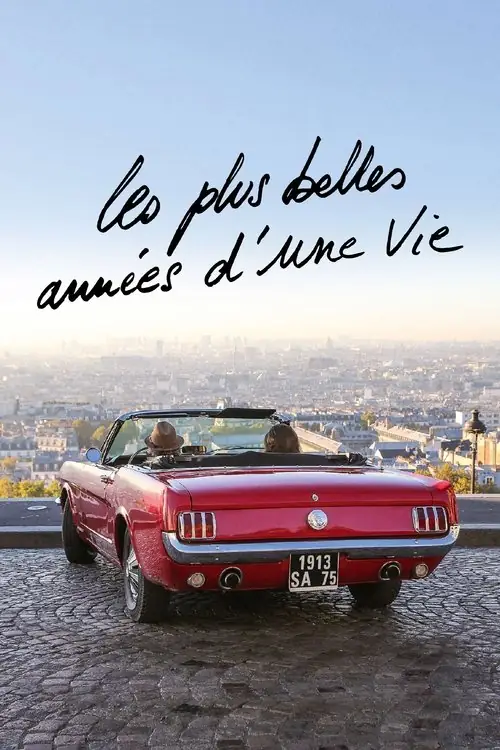
The Best Years of a Life
Cinema history is littered with love stories that captured the public imagination, but few have lingered in…
171 min
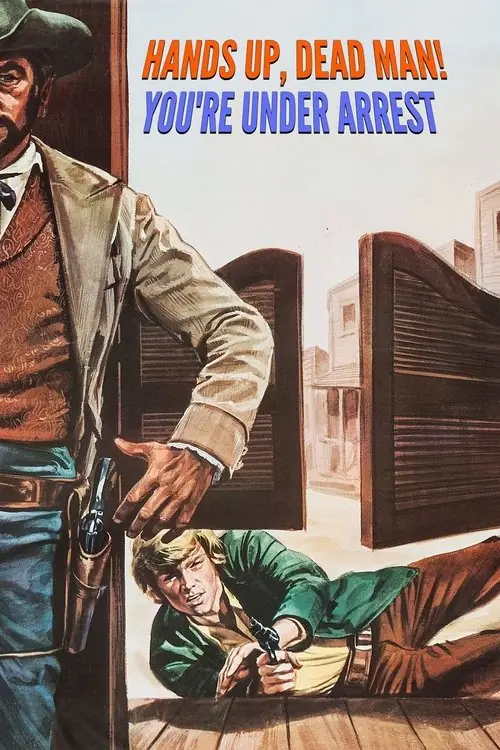
A compelling hybrid of spaghetti Western grit and moral fable, this film traces the transformation of Sando Kid from battlefield healer to righteous avenger with a nuance that distinguishes it from the more cynical entries in the genre. Beginning as a pacifist medic tending to the wounded during the American Civil War, Sando Kid embodies a philosophy of nonviolence that the film takes seriously rather than treating as mere narrative pretext for later gunplay. His conversion is catalyzed by witnessing a Confederate officer, Captain Grayton, executing wounded and disarmed soldiers in cold blood—an atrocity that shatters the medic's conviction that neutrality in the face of evil constitutes any kind of virtue. The sequence in which Sando Kid learns to wield a firearm, aided by a loyal companion, is handled with a gravity that acknowledges the spiritual cost of picking up a weapon. The film understands that violence, even when morally justified, leaves an indelible mark on the soul of its practitioner, and it refuses to glamorize the protagonist's descent into lethal competence. His subsequent enrollment with the rangers and pursuit of bandits is framed not as adventure but as a somber vocation born from necessity. The narrative's second act introduces a satisfying structural echo when Sando Kid's path once again intersects with Grayton, who has traded his uniform for the garb of a ruthless businessman endeavoring to dispossess farmers of their land. This recalibration of villainy—from wartime atrocity to peacetime exploitation—is politically astute, suggesting that the same predatory impulse merely changes its uniform with the shifting times. Grayton's hired thugs add a layer of physical menace that builds toward a confrontation the film has been carefully constructing from its opening frames. Visually, the director draws on the full iconographic vocabulary of the Western—vast, sun-scorched landscapes, claustrophobic saloon interiors, the lonely figure on horseback silhouetted against the horizon—while infusing these familiar images with an ethical seriousness that elevates the material well beyond genre formula. The result is a work that honors the Western's mythic dimensions while interrogating the violence that underpins them.
A compelling hybrid of spaghetti Western grit and moral fable, this film traces the transformation of Sando Kid from battlefield healer to righteous avenger with a nuance that distinguishes it from the more cynical entries in the genre. Beginning as a pacifist medic tending to the wounded during the American Civil War, Sando Kid embodies a philosophy of nonviolence that the film takes seriously rather than treating as mere narrative pretext for later gunplay. His conversion is catalyzed by witnessing a Confederate officer, Captain Grayton, executing wounded and disarmed soldiers in cold blood—an atrocity that shatters the medic's conviction that neutrality in the face of evil constitutes any kind of virtue. The sequence in which Sando Kid learns to wield a firearm, aided by a loyal companion, is handled with a gravity that acknowledges the spiritual cost of picking up a weapon. The film understands that violence, even when morally justified, leaves an indelible mark on the soul of its practitioner, and it refuses to glamorize the protagonist's descent into lethal competence. His subsequent enrollment with the rangers and pursuit of bandits is framed not as adventure but as a somber vocation born from necessity. The narrative's second act introduces a satisfying structural echo when Sando Kid's path once again intersects with Grayton, who has traded his uniform for the garb of a ruthless businessman endeavoring to dispossess farmers of their land. This recalibration of villainy—from wartime atrocity to peacetime exploitation—is politically astute, suggesting that the same predatory impulse merely changes its uniform with the shifting times. Grayton's hired thugs add a layer of physical menace that builds toward a confrontation the film has been carefully constructing from its opening frames. Visually, the director draws on the full iconographic vocabulary of the Western—vast, sun-scorched landscapes, claustrophobic saloon interiors, the lonely figure on horseback silhouetted against the horizon—while infusing these familiar images with an ethical seriousness that elevates the material well beyond genre formula. The result is a work that honors the Western's mythic dimensions while interrogating the violence that underpins them.
— Curator's log, recorded 1965±25 BCE
Cinema history is littered with love stories that captured the public imagination, but few have lingered in…
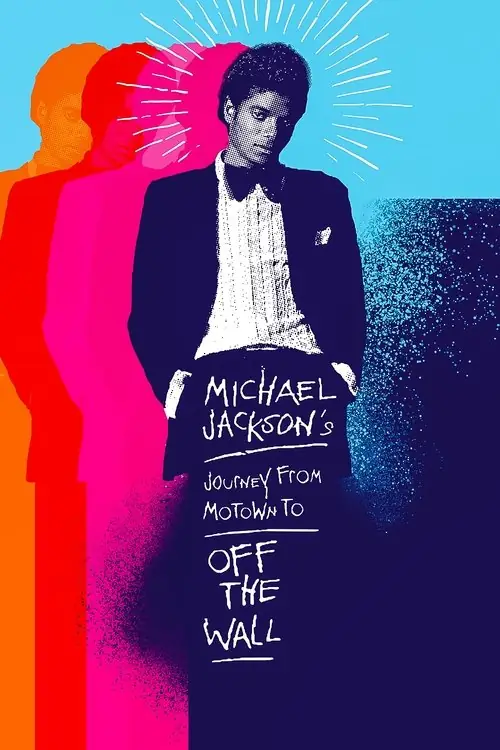
Spike Lee has never been a filmmaker content to remain within the boundaries of a single genre, and his…
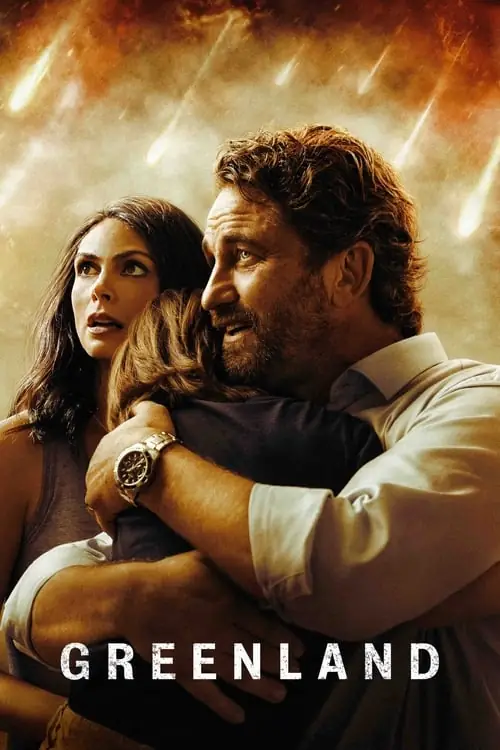
Disaster cinema has long been a vessel for exploring how ordinary people comport themselves when the…
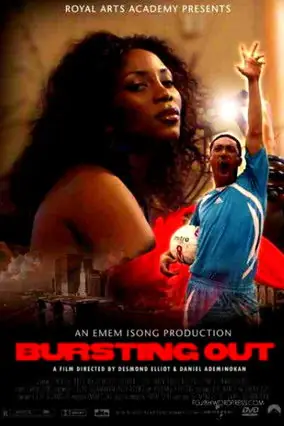
Nollywood has long demonstrated a particular fascination with the fault lines that class and status carve…