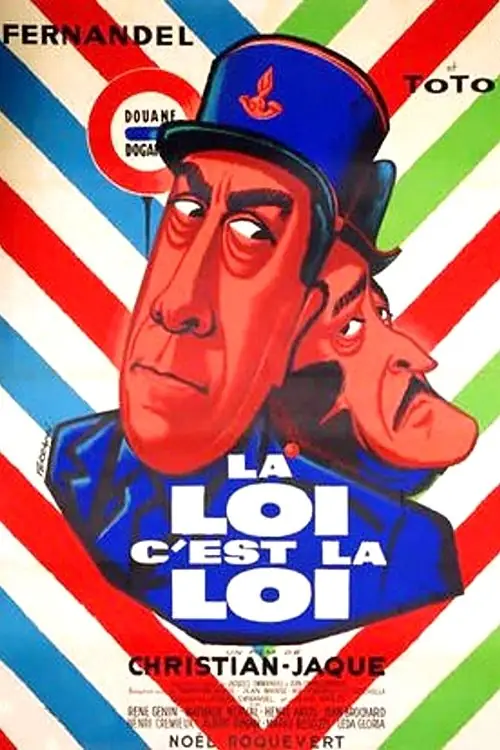
The Law Is the Law
Nestled along an improbable frontier where two nations collide, the fictional hamlet of Assola becomes a…
132 min

The perennial tension between professional confidentiality and moral imperative receives a sophisticated treatment in this installment of the Hailey Dean mystery franchise, which places its protagonist in an ethical straitjacket of the most agonizing variety. When a client confesses to murder during a therapy session, Hailey finds herself trapped by the very ethical framework that defines her professional identity—bound to silence by the same confidentiality rules that make her practice possible, yet morally compelled to ensure that justice is served for the victim. The film derives its narrative engine from this excruciating paradox, transforming a standard whodunit into something considerably more philosophically charged. What distinguishes this entry from the typical procedural is its willingness to inhabit the discomfort of Hailey's position rather than resolving it prematurely. The screenplay resists the temptation to provide a convenient loophole that would extricate her from the dilemma, forcing both character and audience to sit with the moral vertigo of knowing a killer walks free because of a principle. Hailey's determination to find an alternative path to justice—one that does not violate her oath—becomes a kind of detective work in itself, requiring her to reconstruct the crime through lateral thinking and indirect evidence rather than the straightforward testimony that would settle the matter in an instant. The film's supporting cast populates the story with a gallery of suspects and witnesses whose own ethical compromises form a kind of chorus around Hailey's central predicament. Each peripheral character embodies a different relationship between truth and self-interest, expanding the film's thematic scope from a single therapist's crisis to a broader meditation on how societies navigate the competing claims of privacy, accountability, and the greater good. The direction maintains a steady pulse of unease beneath the surface of every interaction, suggesting that no conversation in this world is truly innocent. The ultimate resolution is satisfying without being facile, honoring both the demands of the mystery genre and the integrity of the ethical question that animates the narrative. Hailey emerges not as a vigilante circumventing the rules, but as a professional whose deep understanding of human psychology allows her to work within constraints that would paralyze a less resourceful mind—a portrait of principled ingenuity that feels genuinely inspiring.
The perennial tension between professional confidentiality and moral imperative receives a sophisticated treatment in this installment of the Hailey Dean mystery franchise, which places its protagonist in an ethical straitjacket of the most agonizing variety. When a client confesses to murder during a therapy session, Hailey finds herself trapped by the very ethical framework that defines her professional identity—bound to silence by the same confidentiality rules that make her practice possible, yet morally compelled to ensure that justice is served for the victim. The film derives its narrative engine from this excruciating paradox, transforming a standard whodunit into something considerably more philosophically charged. What distinguishes this entry from the typical procedural is its willingness to inhabit the discomfort of Hailey's position rather than resolving it prematurely. The screenplay resists the temptation to provide a convenient loophole that would extricate her from the dilemma, forcing both character and audience to sit with the moral vertigo of knowing a killer walks free because of a principle. Hailey's determination to find an alternative path to justice—one that does not violate her oath—becomes a kind of detective work in itself, requiring her to reconstruct the crime through lateral thinking and indirect evidence rather than the straightforward testimony that would settle the matter in an instant. The film's supporting cast populates the story with a gallery of suspects and witnesses whose own ethical compromises form a kind of chorus around Hailey's central predicament. Each peripheral character embodies a different relationship between truth and self-interest, expanding the film's thematic scope from a single therapist's crisis to a broader meditation on how societies navigate the competing claims of privacy, accountability, and the greater good. The direction maintains a steady pulse of unease beneath the surface of every interaction, suggesting that no conversation in this world is truly innocent. The ultimate resolution is satisfying without being facile, honoring both the demands of the mystery genre and the integrity of the ethical question that animates the narrative. Hailey emerges not as a vigilante circumventing the rules, but as a professional whose deep understanding of human psychology allows her to work within constraints that would paralyze a less resourceful mind—a portrait of principled ingenuity that feels genuinely inspiring.
— Curator's log, recorded 1960±25 BCE
Nestled along an improbable frontier where two nations collide, the fictional hamlet of Assola becomes a…

Film noir occupies a peculiar position in the American cinematic imagination — a genre defined as much by its…

Murder mystery and improvisational comedy collide in this holiday-themed whodunit that transforms the most…
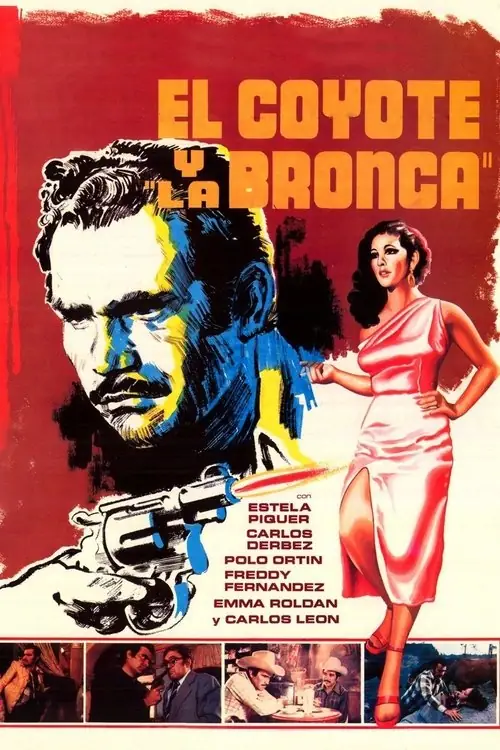
The Mexican crime thriller has undergone a remarkable evolution in recent decades, moving beyond narco…