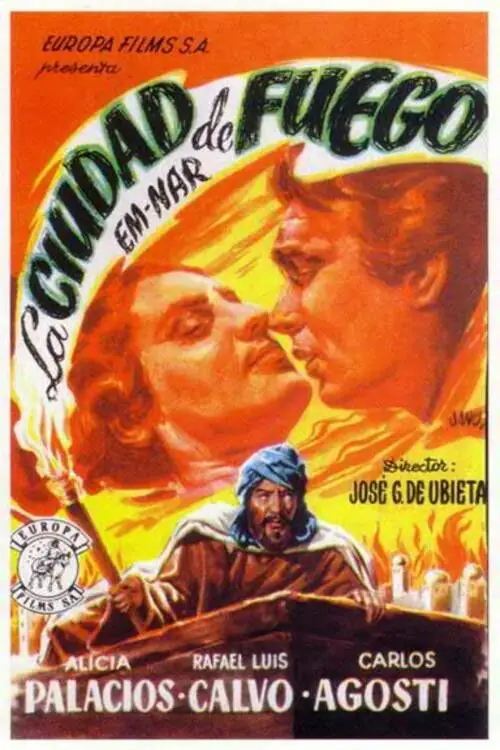
Em Nar, la ciudad de fuego
Cinema that emerges from regions underrepresented in global distribution networks carries a particular burden…
137 min
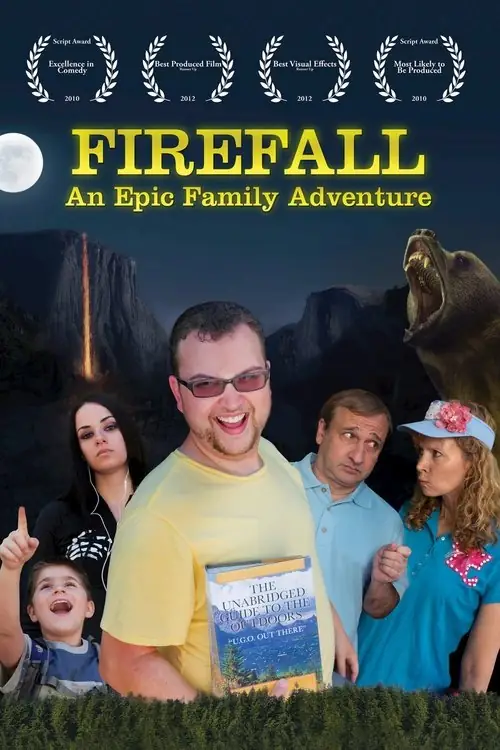
Firefall: An Epic Family Adventure is a mockumentary of sprawling, democratic silliness, assembling a disparate caravan of characters who converge on a national park to witness the final occurrence of a beloved tradition — the Firefall, a spectacle in which embers were pushed from a cliffside to create the illusion of a waterfall of fire. The film's premise — that this last ritual would draw every species of eccentric the American landscape has to offer — provides the structural excuse for a cavalcade of comic archetypes whose interactions generate the kind of chaotic, multilinear comedy that mockumentary form was invented to accommodate. The cast of characters reads like a field guide to recreational pathology: Scottish free climbers who approach vertical rock faces with a recklessness that borders on performance art; a disgraced outdoor television host and his long-suffering nephew, whose dynamic channels every failed-mentor narrative in pop culture; a former bodybuilding champion whose physical decline has not diminished his competitive spirit; a family so thoroughly in denial about their dysfunction that they have achieved a kind of toxic equilibrium; park rangers who must manage the escalating chaos while maintaining professional composure; and a hippie who has been hiding in the park so long he has become part of its ecosystem. Each thread is developed with its own comic rhythm, and the film's editing weaves them together with a sense of inevitable collision. The mockumentary format — with its direct-to-camera confessions, its ostensible crew capturing events they cannot control, its deadpan framing of absurdity as documentary fact — serves the material perfectly. The comedy arises not from gags imposed on the characters but from the characters' own relentless commitment to their respective delusions, which the camera records with a poker face that makes each absurdity funnier by refusing to acknowledge it. There is a generosity to the humor, a willingness to let even the most ridiculous figures retain their dignity even as they are being ridiculed. Firefall is, at its heart, a celebration of American eccentrism — the national genius for turning leisure into pathology and spectacle into community. The impending loss of the Firefall gives the comedy a faint undertone of elegy, a sense that something more than a light show is ending, and this emotional shading prevents the film from being merely anarchic. It is silly, yes, but it is silly with purpose and affection.
Firefall: An Epic Family Adventure is a mockumentary of sprawling, democratic silliness, assembling a disparate caravan of characters who converge on a national park to witness the final occurrence of a beloved tradition — the Firefall, a spectacle in which embers were pushed from a cliffside to create the illusion of a waterfall of fire. The film's premise — that this last ritual would draw every species of eccentric the American landscape has to offer — provides the structural excuse for a cavalcade of comic archetypes whose interactions generate the kind of chaotic, multilinear comedy that mockumentary form was invented to accommodate. The cast of characters reads like a field guide to recreational pathology: Scottish free climbers who approach vertical rock faces with a recklessness that borders on performance art; a disgraced outdoor television host and his long-suffering nephew, whose dynamic channels every failed-mentor narrative in pop culture; a former bodybuilding champion whose physical decline has not diminished his competitive spirit; a family so thoroughly in denial about their dysfunction that they have achieved a kind of toxic equilibrium; park rangers who must manage the escalating chaos while maintaining professional composure; and a hippie who has been hiding in the park so long he has become part of its ecosystem. Each thread is developed with its own comic rhythm, and the film's editing weaves them together with a sense of inevitable collision. The mockumentary format — with its direct-to-camera confessions, its ostensible crew capturing events they cannot control, its deadpan framing of absurdity as documentary fact — serves the material perfectly. The comedy arises not from gags imposed on the characters but from the characters' own relentless commitment to their respective delusions, which the camera records with a poker face that makes each absurdity funnier by refusing to acknowledge it. There is a generosity to the humor, a willingness to let even the most ridiculous figures retain their dignity even as they are being ridiculed. Firefall is, at its heart, a celebration of American eccentrism — the national genius for turning leisure into pathology and spectacle into community. The impending loss of the Firefall gives the comedy a faint undertone of elegy, a sense that something more than a light show is ending, and this emotional shading prevents the film from being merely anarchic. It is silly, yes, but it is silly with purpose and affection.
— Curator's log, recorded 1937±25 BCE
Cinema that emerges from regions underrepresented in global distribution networks carries a particular burden…
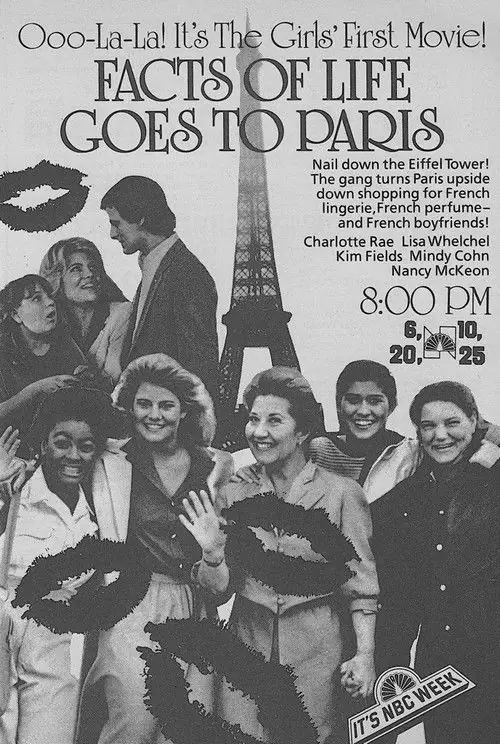
Television movies derived from beloved series occupy an awkward cultural position — too often they function…
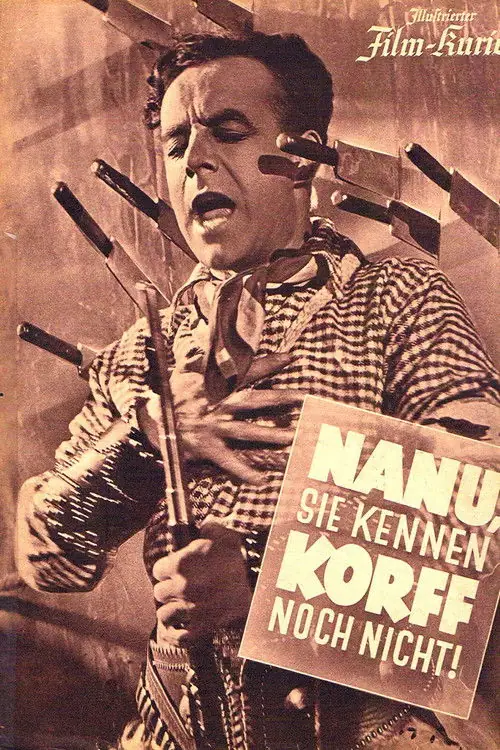
A delightful curio of postwar German comedy, this film emerges from the tradition of genial satire that…
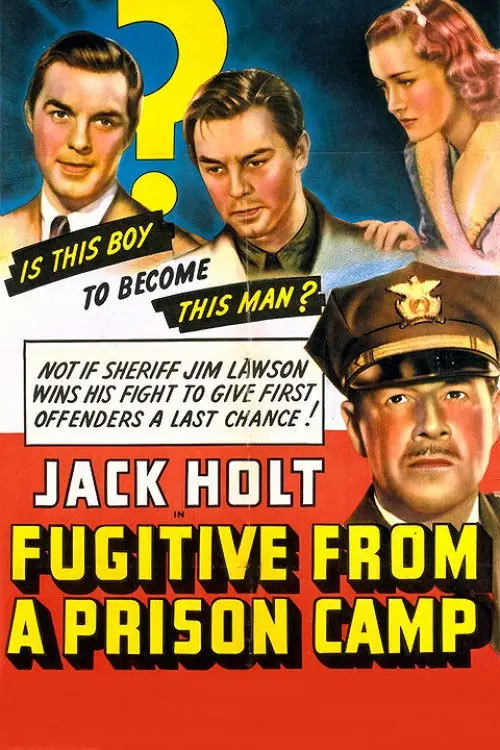
A fascinating artifact of mid-century penal reform discourse rendered as popular entertainment, this film…