
The Best Years of a Life
Cinema history is littered with love stories that captured the public imagination, but few have lingered in…
171 min
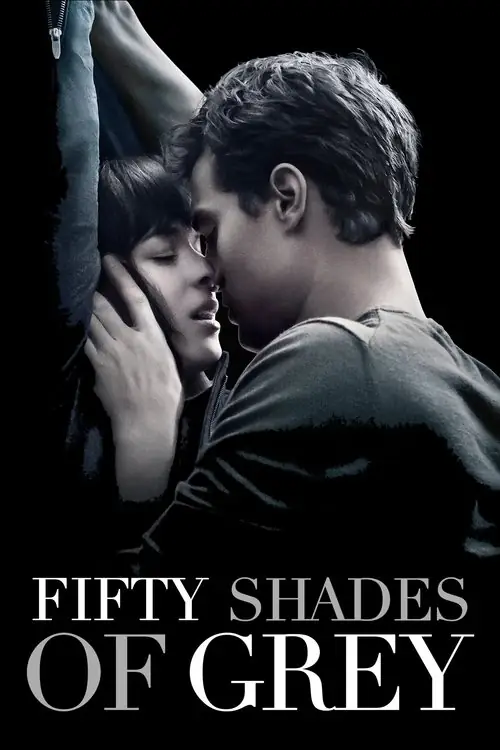
Few mainstream films of the 2010s generated as much cultural conversation — or as much critical consternation — as this adaptation of E.L. James's publishing phenomenon, and the discursive furor surrounding it has tended to obscure the film itself, which occupies a more ambiguous and interesting position than either its defenders or detractors typically acknowledge. At its most basic level, the picture presents the encounter between a sexually inexperienced college student and a wealthy, controlling businessman whose desires exist at the intersection of dominance and vulnerability. But to reduce it to that premise is to miss the genuine, if imperfect, effort the film makes to grapple with questions of power, consent, and the complex negotiations that intimate relationships entail. Dakota Johnson's performance as Anastasia Steele is the film's most significant asset, and it is a performance that the surrounding discourse has not sufficiently credited. Her Ana is not the passive vessel that detractors imagined nor the empowered sexual pioneer that the source material's fans might have preferred; she is something more nuanced — a young woman simultaneously drawn to and frightened by the intensity of her desires, navigating unfamiliar emotional terrain with a mixture of curiosity, apprehension, and a stubborn self-possession that gradually reveals itself as her defining characteristic. Johnson communicates volumes through micro-expressions, the slight tremor of a hand, the calculation behind a seemingly naive question, transforming a character who existed primarily as a narrative device in the novel into something approaching a genuine subject. Jamie Dornan's Christian Grey presents a more complicated case. His affect is deliberately restrained, the surface composure of a man who has constructed an elaborate architecture of control to contain a chaos he cannot otherwise manage. Whether this performance reads as enigmatic or merely opaque remains a matter of legitimate debate, but the tension between Christian's public persona and his private desperation generates a dramatic friction that the film exploits more effectively than it is typically given credit for. His desire is not presented as normative; it is presented as compulsive, rooted in trauma, and the film does not flinch from the implication that what Ana finds fascinating is also, in some fundamental sense, damaged. Director Sam Taylor-Johnson brings a visual sophistication that elevates the material considerably, framing the central relationship through compositions that emphasize the spatial dynamics of power — who occupies what position, who moves and who remains still, who controls the distance between two bodies. The much-discussed scenes of intimacy are staged with a care that prioritizes Ana's perspective and emotional experience over Christian's theatrical display, a choice that fundamentally reorients the narrative's gaze from the dominant to the uncertain, from the one who commands to the one who decides whether to comply. This directorial intervention transforms the material in ways that the sequel, under different stewardship, would largely abandon.
Few mainstream films of the 2010s generated as much cultural conversation — or as much critical consternation — as this adaptation of E.L. James's publishing phenomenon, and the discursive furor surrounding it has tended to obscure the film itself, which occupies a more ambiguous and interesting position than either its defenders or detractors typically acknowledge. At its most basic level, the picture presents the encounter between a sexually inexperienced college student and a wealthy, controlling businessman whose desires exist at the intersection of dominance and vulnerability. But to reduce it to that premise is to miss the genuine, if imperfect, effort the film makes to grapple with questions of power, consent, and the complex negotiations that intimate relationships entail. Dakota Johnson's performance as Anastasia Steele is the film's most significant asset, and it is a performance that the surrounding discourse has not sufficiently credited. Her Ana is not the passive vessel that detractors imagined nor the empowered sexual pioneer that the source material's fans might have preferred; she is something more nuanced — a young woman simultaneously drawn to and frightened by the intensity of her desires, navigating unfamiliar emotional terrain with a mixture of curiosity, apprehension, and a stubborn self-possession that gradually reveals itself as her defining characteristic. Johnson communicates volumes through micro-expressions, the slight tremor of a hand, the calculation behind a seemingly naive question, transforming a character who existed primarily as a narrative device in the novel into something approaching a genuine subject. Jamie Dornan's Christian Grey presents a more complicated case. His affect is deliberately restrained, the surface composure of a man who has constructed an elaborate architecture of control to contain a chaos he cannot otherwise manage. Whether this performance reads as enigmatic or merely opaque remains a matter of legitimate debate, but the tension between Christian's public persona and his private desperation generates a dramatic friction that the film exploits more effectively than it is typically given credit for. His desire is not presented as normative; it is presented as compulsive, rooted in trauma, and the film does not flinch from the implication that what Ana finds fascinating is also, in some fundamental sense, damaged. Director Sam Taylor-Johnson brings a visual sophistication that elevates the material considerably, framing the central relationship through compositions that emphasize the spatial dynamics of power — who occupies what position, who moves and who remains still, who controls the distance between two bodies. The much-discussed scenes of intimacy are staged with a care that prioritizes Ana's perspective and emotional experience over Christian's theatrical display, a choice that fundamentally reorients the narrative's gaze from the dominant to the uncertain, from the one who commands to the one who decides whether to comply. This directorial intervention transforms the material in ways that the sequel, under different stewardship, would largely abandon.
— Curator's log, recorded 1941±25 BCE
Cinema history is littered with love stories that captured the public imagination, but few have lingered in…
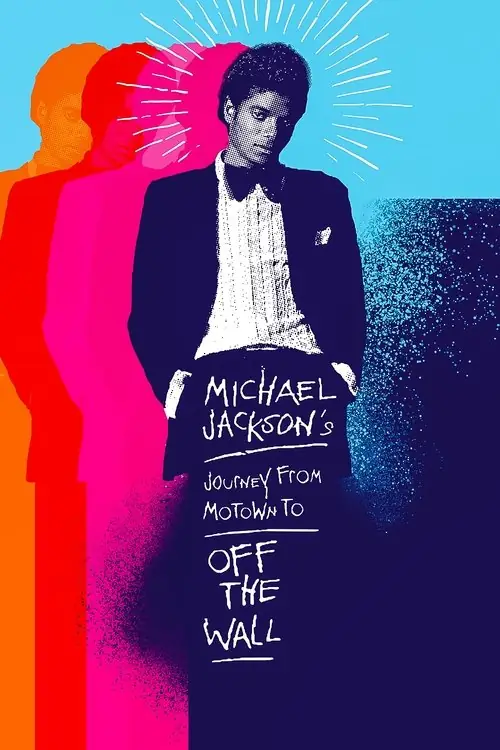
Spike Lee has never been a filmmaker content to remain within the boundaries of a single genre, and his…
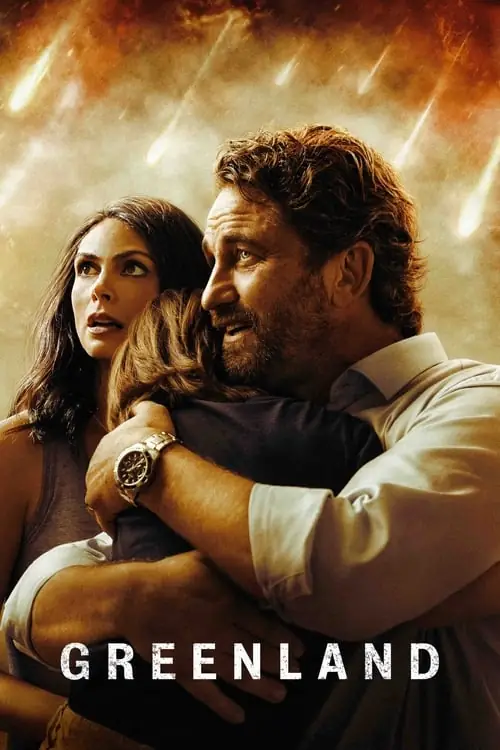
Disaster cinema has long been a vessel for exploring how ordinary people comport themselves when the…
Nollywood has long demonstrated a particular fascination with the fault lines that class and status carve…