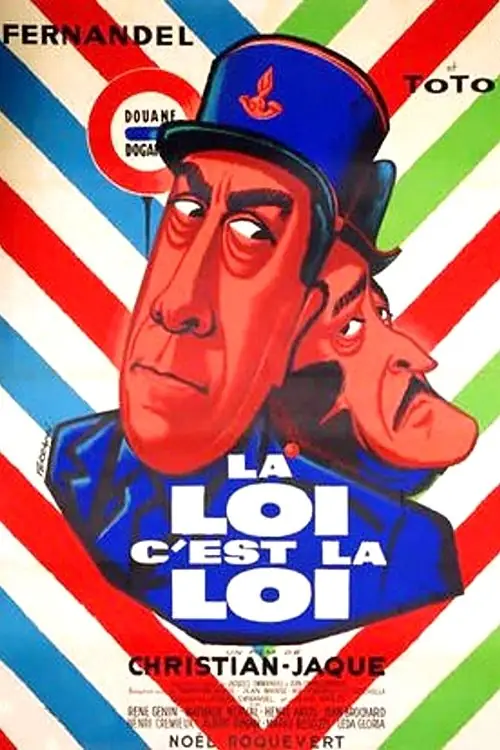
The Law Is the Law
Nestled along an improbable frontier where two nations collide, the fictional hamlet of Assola becomes a…
132 min
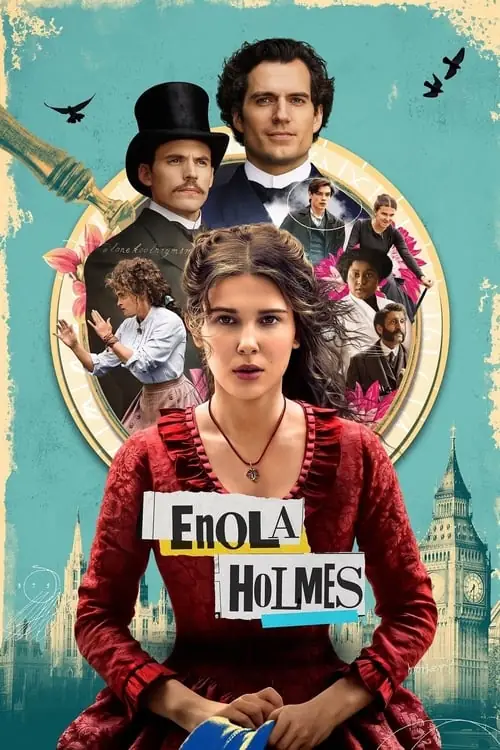
Shattering the comfortably familiar world of Victorian detective fiction with a feminist audacity that feels both historically radical and entirely of the moment, this film reimagines the Holmes dynasty through the eyes of its youngest and most underestimated member. Enola Holmes is no mere adjunct to her famous brother's exploits; she is a force of nature in her own right, armed with a precocious intellect, formidable combat skills, and a streak of rebellious independence that the patriarchal structures of her era find frankly incomprehensible. When her mother vanishes under mysterious circumstances, Enola refuses to be sidelined by Sherlock's condescension or Mycroft's authoritarian attempts to ship her off to finishing school, setting in motion an adventure that is as much about self-determination as it is about detection. The film's greatest pleasure lies in its frequent ruptures of the fourth wall, as Enola addresses the audience directly with a conspiratorial wit that transforms viewers from passive observers into active accomplices. These moments accomplish something remarkable: they position the viewer not merely as a consumer of the mystery but as a participant in Enola's project of self-invention, creating a bond between protagonist and audience that conventional narrative techniques could never achieve. The device also serves a thematic purpose, underscoring the film's central argument that women of this period were perpetually required to narrate their own existence into being, since the dominant culture refused to see them on their own terms. The production design lavishes attention on the material culture of the late nineteenth century while refusing to be enslaved by it—costumes and settings are rendered with meticulous historical fidelity, yet the energy of the filmmaking feels unmistakably contemporary, creating a productive tension between period authenticity and modern sensibility. The action sequences are staged with a kinetic flair that honors Enola's physical prowess without fetishizing it, and the supporting performances—including a cannily underplayed Sherlock—provide gravitational anchors for the young lead's charismatic orbit. At its heart, the film is a declaration of intellectual independence, insisting that genius need not wear a deerstalker or bear a famous surname. Enola's greatest mystery, the film suggests, is not the whereabouts of her mother but the question of who she chooses to become when nobody is watching—a riddle no deductive logic can solve, only lived experience can answer.
Shattering the comfortably familiar world of Victorian detective fiction with a feminist audacity that feels both historically radical and entirely of the moment, this film reimagines the Holmes dynasty through the eyes of its youngest and most underestimated member. Enola Holmes is no mere adjunct to her famous brother's exploits; she is a force of nature in her own right, armed with a precocious intellect, formidable combat skills, and a streak of rebellious independence that the patriarchal structures of her era find frankly incomprehensible. When her mother vanishes under mysterious circumstances, Enola refuses to be sidelined by Sherlock's condescension or Mycroft's authoritarian attempts to ship her off to finishing school, setting in motion an adventure that is as much about self-determination as it is about detection. The film's greatest pleasure lies in its frequent ruptures of the fourth wall, as Enola addresses the audience directly with a conspiratorial wit that transforms viewers from passive observers into active accomplices. These moments accomplish something remarkable: they position the viewer not merely as a consumer of the mystery but as a participant in Enola's project of self-invention, creating a bond between protagonist and audience that conventional narrative techniques could never achieve. The device also serves a thematic purpose, underscoring the film's central argument that women of this period were perpetually required to narrate their own existence into being, since the dominant culture refused to see them on their own terms. The production design lavishes attention on the material culture of the late nineteenth century while refusing to be enslaved by it—costumes and settings are rendered with meticulous historical fidelity, yet the energy of the filmmaking feels unmistakably contemporary, creating a productive tension between period authenticity and modern sensibility. The action sequences are staged with a kinetic flair that honors Enola's physical prowess without fetishizing it, and the supporting performances—including a cannily underplayed Sherlock—provide gravitational anchors for the young lead's charismatic orbit. At its heart, the film is a declaration of intellectual independence, insisting that genius need not wear a deerstalker or bear a famous surname. Enola's greatest mystery, the film suggests, is not the whereabouts of her mother but the question of who she chooses to become when nobody is watching—a riddle no deductive logic can solve, only lived experience can answer.
— Curator's log, recorded 1973±25 BCE
Nestled along an improbable frontier where two nations collide, the fictional hamlet of Assola becomes a…

Film noir occupies a peculiar position in the American cinematic imagination — a genre defined as much by its…

Murder mystery and improvisational comedy collide in this holiday-themed whodunit that transforms the most…
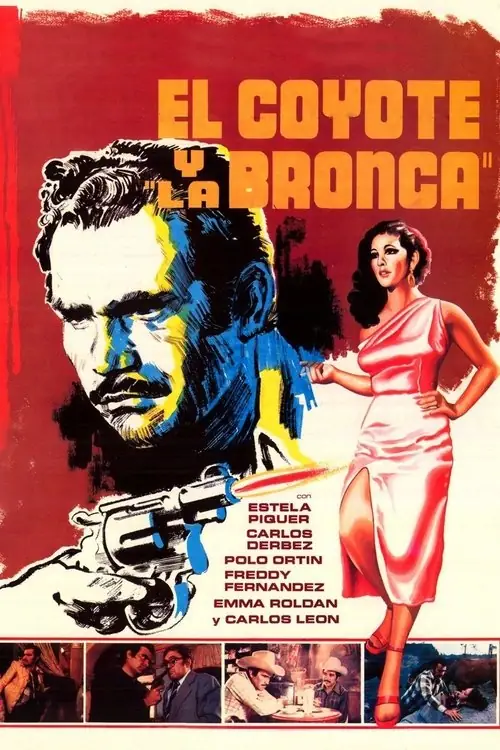
The Mexican crime thriller has undergone a remarkable evolution in recent decades, moving beyond narco…