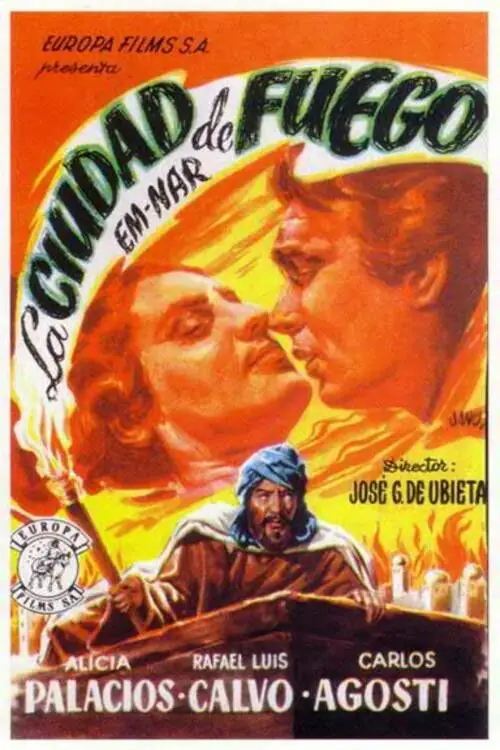
Em Nar, la ciudad de fuego
Cinema that emerges from regions underrepresented in global distribution networks carries a particular burden…
137 min
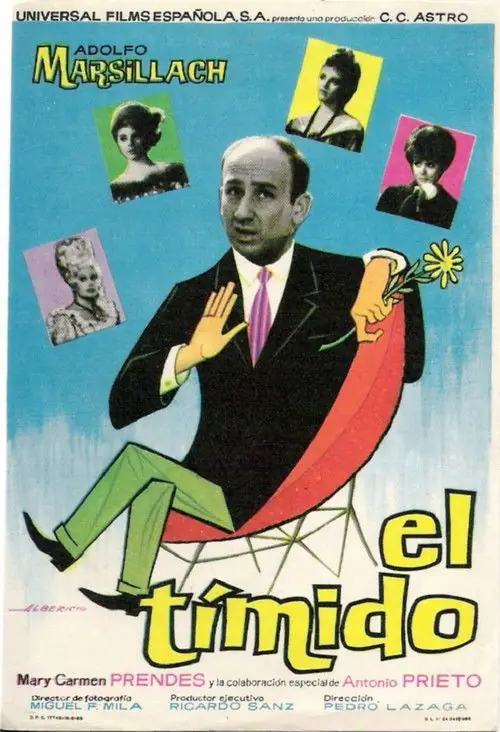
This Spanish-language production explores the architecture of social anxiety with a delicacy that elevates its modest scale into something quietly universal. The title, translating roughly to 'The Shy One,' signals a protagonist defined by reticence—a character whose interior life is richer and more turbulent than any external behavior would suggest. The film takes this disjunction between inner experience and outward presentation as both its dramatic engine and its thematic subject, constructing scenarios in which the costs of silence become measurable in missed connections, unspoken affections, and opportunities that evaporate in the gap between intention and utterance. The direction favors observation over exposition, allowing the camera to linger on faces and gestures that betray what dialogue conceals. A hand that almost reaches, a sentence that trails into silence, a gaze that holds a moment too long—these micro-moments accumulate into a portrait of emotional paralysis that feels psychologically acute without becoming clinical. The filmmaking draws on a tradition of Iberian and Latin American cinema that treats emotional repression not as neurosis to be cured but as a cultural condition to be understood, a way of moving through the world shaped by expectations of dignity, restraint, and the fear that vulnerability invites rejection. Supporting characters orbit the protagonist with varying degrees of patience and frustration, their own insecurities mirroring and amplifying the central figure's difficulties. The film resists the temptation to engineer a transformative breakthrough, instead honoring the incremental nature of personal change—the small, almost imperceptible adjustments in behavior that represent genuine growth rather than cinematic wish-fulfillment. Its visual palette, muted but carefully composed, reflects the protagonist's experience of a world that feels just slightly muffled, as though seen through glass. The cumulative effect is a film that understands shyness not as deficit but as a distinct mode of perception, one that sees more than it says and feels more than it shows, and that carries its own form of courage in the willingness to remain present in a world that rewards volume.
This Spanish-language production explores the architecture of social anxiety with a delicacy that elevates its modest scale into something quietly universal. The title, translating roughly to 'The Shy One,' signals a protagonist defined by reticence—a character whose interior life is richer and more turbulent than any external behavior would suggest. The film takes this disjunction between inner experience and outward presentation as both its dramatic engine and its thematic subject, constructing scenarios in which the costs of silence become measurable in missed connections, unspoken affections, and opportunities that evaporate in the gap between intention and utterance. The direction favors observation over exposition, allowing the camera to linger on faces and gestures that betray what dialogue conceals. A hand that almost reaches, a sentence that trails into silence, a gaze that holds a moment too long—these micro-moments accumulate into a portrait of emotional paralysis that feels psychologically acute without becoming clinical. The filmmaking draws on a tradition of Iberian and Latin American cinema that treats emotional repression not as neurosis to be cured but as a cultural condition to be understood, a way of moving through the world shaped by expectations of dignity, restraint, and the fear that vulnerability invites rejection. Supporting characters orbit the protagonist with varying degrees of patience and frustration, their own insecurities mirroring and amplifying the central figure's difficulties. The film resists the temptation to engineer a transformative breakthrough, instead honoring the incremental nature of personal change—the small, almost imperceptible adjustments in behavior that represent genuine growth rather than cinematic wish-fulfillment. Its visual palette, muted but carefully composed, reflects the protagonist's experience of a world that feels just slightly muffled, as though seen through glass. The cumulative effect is a film that understands shyness not as deficit but as a distinct mode of perception, one that sees more than it says and feels more than it shows, and that carries its own form of courage in the willingness to remain present in a world that rewards volume.
— Curator's log, recorded 1976±25 BCE
Cinema that emerges from regions underrepresented in global distribution networks carries a particular burden…
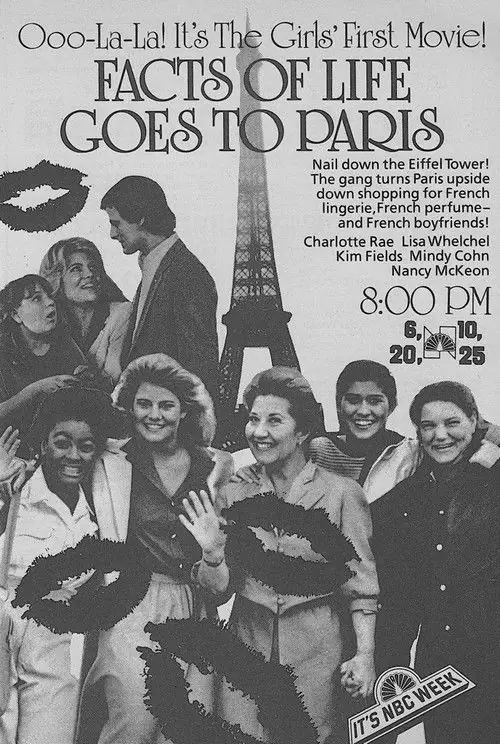
Television movies derived from beloved series occupy an awkward cultural position — too often they function…
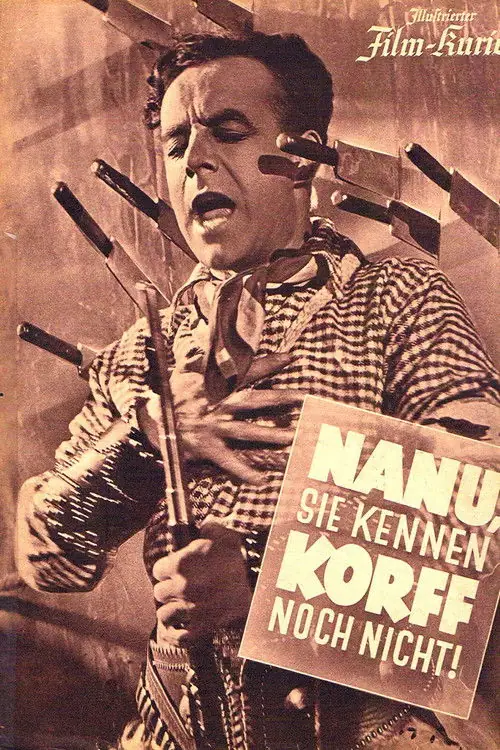
A delightful curio of postwar German comedy, this film emerges from the tradition of genial satire that…
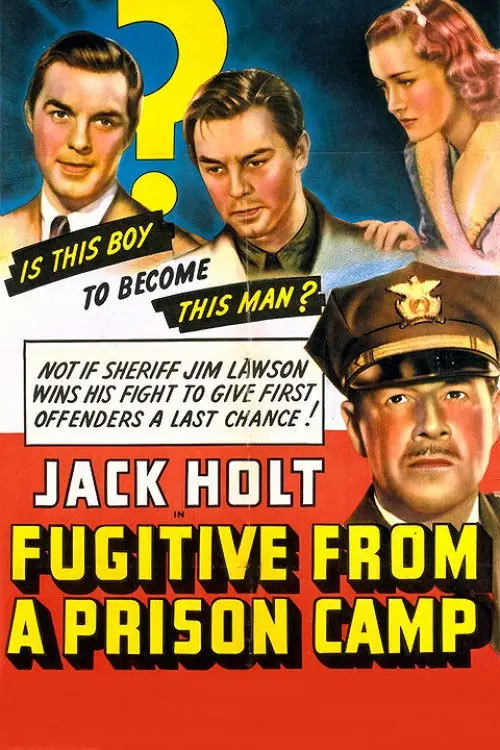
A fascinating artifact of mid-century penal reform discourse rendered as popular entertainment, this film…